Table of Contents
Introduction: Efficiency as a Competitive Advantage in 2026
In 2026, efficiency is no longer just an operational goal—it is a competitive requirement. Facilities that move faster, waste less, and operate reliably are the ones that stay ahead. Achieving maximum efficiency requires more than upgraded equipment; it demands thoughtful engineering, intelligent integration, and a deep understanding of real-world operations.
This is where LaFayette Engineering stands apart. Through disciplined engineering practices and hands-on execution, LaFayette Engineering helps organizations streamline operations, reduce downtime, and unlock measurable performance gains.
What Maximum Efficiency Really Means
Maximum efficiency is not about cutting corners or rushing projects. It is about designing systems that deliver the highest possible output with the least amount of waste, delay, and risk. In practical terms, this includes:
- Optimized workflows and material movement
- Reduced energy and resource consumption
- Reliable system uptime
- Scalable designs that support growth
- Simplified maintenance and troubleshooting
LaFayette Engineering approaches efficiency as a system-wide objective rather than a single improvement.
Engineering-Driven Solutions Built for Performance
At the core of LaFayette Engineering’s approach is engineering precision. Every project begins with a detailed analysis of existing processes, equipment, and constraints. Engineers focus on:
- Identifying bottlenecks and inefficiencies
- Mapping data and control flows
- Evaluating system interactions
- Designing solutions that improve overall performance
This methodical approach ensures efficiency gains are real, sustainable, and measurable.
Automation That Improves Throughput and Reliability
Automation plays a critical role in achieving maximum efficiency. LaFayette Engineering designs and integrates automation systems that help facilities:
- Increase throughput
- Improve accuracy and consistency
- Reduce manual intervention
- Enhance system reliability
By aligning automation with operational goals, LaFayette Engineering ensures technology supports productivity rather than adding complexity.
Smart System Integration Across Operations
Disconnected systems create inefficiencies. LaFayette Engineering specializes in integrating equipment, controls, and software so they function as a unified system.
This integration improves:
- Communication between machines
- Real-time decision-making
- Operational visibility
- Response time to issues
Well-integrated systems are essential to maintaining efficient, high-performing operations.
Data-Driven Insights for Continuous Improvement
Modern facilities generate vast amounts of data. LaFayette Engineering helps clients leverage that data to drive efficiency improvements through:
- Performance monitoring
- Trend analysis
- Predictive diagnostics
- Informed decision-making
Using data effectively allows organizations to identify inefficiencies early and make targeted improvements.
Reducing Downtime Through Reliable Design
Unplanned downtime is one of the biggest barriers to efficiency. LaFayette Engineering designs systems with reliability in mind by incorporating:
- Redundancy where appropriate
- Clear fault detection and diagnostics
- Maintainable system architectures
- Robust testing and commissioning
These practices reduce disruptions and support consistent operational performance.
Scalable Solutions That Support Future Growth
Efficiency today must not limit tomorrow. LaFayette Engineering designs solutions that can scale with changing demands, allowing facilities to:
- Expand capacity
- Integrate new equipment
- Adopt new technologies
- Adjust to evolving production requirements
This forward-looking approach protects investments while supporting long-term efficiency.
Industry Experience That Translates into Results
Experience across industrial environments allows LaFayette Engineering to apply proven strategies rather than theoretical solutions. Their understanding of manufacturing, warehousing, and automated systems helps ensure efficiency improvements work in real operating conditions.
This practical insight is essential to achieving maximum efficiency without introducing unnecessary risk.
Clear Communication and Project Execution
Efficiency is lost when projects stall or misunderstandings occur. LaFayette Engineering prioritizes:
- Clear project scope definition
- Transparent timelines
- Consistent stakeholder communication
- Coordinated execution
Strong project management keeps efficiency goals intact from concept through completion.
Long-Term Support That Sustains Efficiency
Achieving maximum efficiency is not a one-time event. LaFayette Engineering supports ongoing performance through:
- System optimization
- Troubleshooting and upgrades
- Operational consulting
- Continuous improvement planning
This long-term partnership ensures efficiency gains are maintained as operations evolve.
Why 2026 Is the Right Time to Focus on Efficiency
With rising operational costs, tighter labor markets, and increasing competition, efficiency has never been more critical. Organizations that invest in engineered solutions today are better positioned to remain agile and competitive in 2026 and beyond.
LaFayette Engineering helps clients take proactive steps toward smarter, more efficient operations.
FAQs About Maximum Efficiency and LaFayette Engineering
Q1: What does maximum efficiency mean for industrial operations?
It means optimizing systems to deliver the highest output with minimal waste, downtime, and cost.
Q2: Does automation always improve efficiency?
When properly designed and integrated, automation significantly improves reliability and throughput.
Q3: Can existing systems be upgraded for better efficiency?
Yes. LaFayette Engineering specializes in improving and integrating existing systems.
Q4: How does data improve efficiency?
Data reveals trends, inefficiencies, and opportunities for targeted improvements.
Q5: Are efficient systems harder to maintain?
No. Well-designed systems are often easier to maintain and troubleshoot.
Q6: Does LaFayette Engineering provide long-term support?
Yes. Ongoing optimization and support are key parts of their service model.
Conclusion
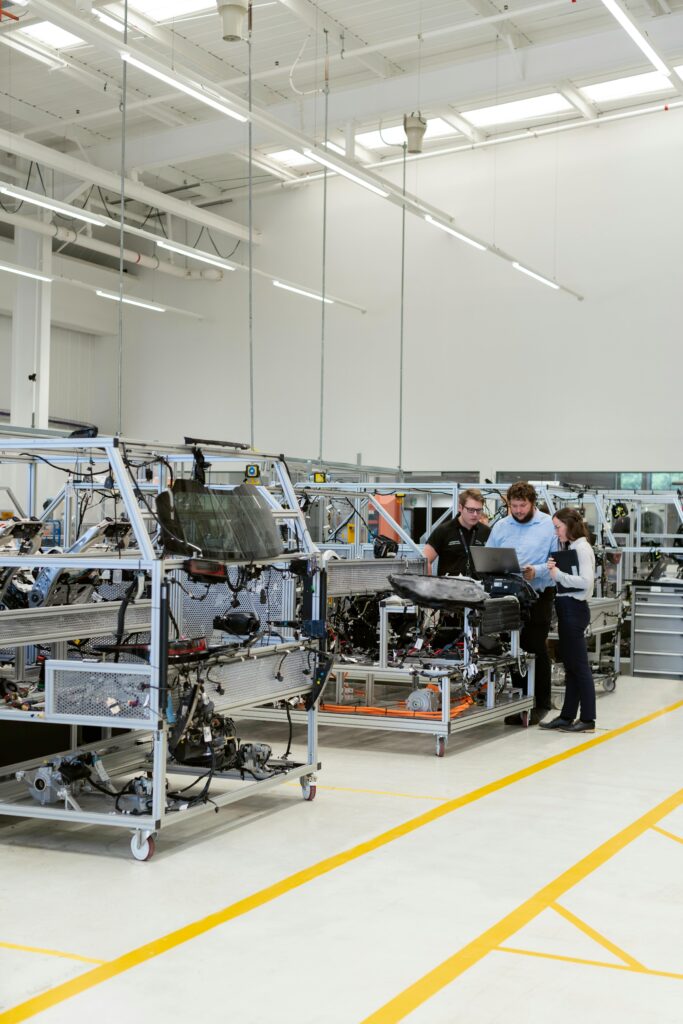
Achieving maximum efficiency in 2026 requires more than isolated upgrades—it requires a comprehensive, engineering-driven approach to operations. LaFayette Engineering delivers this through smart automation, system integration, data-driven insights, and reliable execution.
For organizations seeking to improve performance, reduce waste, and stay competitive, LaFayette Engineering provides the expertise and solutions needed to operate at peak efficiency—now and into the future.
Want to start today? Contact LaFayette here to get started.