Table of Contents
Why Efficiency Matters in Modern Operations
In today’s industrial and infrastructure-driven environments, organizations are expected to do more with less. Rising costs, tighter timelines, and increased performance expectations mean that inefficiencies can quickly impact profitability and reliability. Improving operational efficiency allows companies to reduce waste, increase output, and maintain consistent performance without unnecessary expense.
LaFayette Engineering helps clients address these challenges by designing and optimizing systems that support long-term performance, reliability, and growth.
Defining Operational Efficiency in Practical Terms
Operational efficiency refers to how effectively an organization uses its resources—people, equipment, energy, and time—to achieve desired outcomes. It is influenced by factors such as:
- System and facility design
- Workflow and process alignment
- Equipment reliability
- Energy and resource usage
- Maintenance strategies
When these elements work together effectively, organizations experience smoother operations, fewer disruptions, and stronger overall performance.
How LaFayette Engineering Supports Better Performance
LaFayette Engineering takes a practical, engineering-first approach to improving how systems operate in real-world conditions. Rather than focusing on theory alone, the team evaluates how facilities actually function day to day.
Smart System Design
Good design decisions reduce complexity and eliminate unnecessary steps. LaFayette Engineering focuses on layouts, equipment selection, and system integration that support efficient workflows and long-term reliability. Thoughtful design plays a major role in achieving higher operational efficiency over the life of a facility.
Process Review and Optimization
Even well-established operations often contain hidden inefficiencies. Through detailed analysis, LaFayette Engineering identifies bottlenecks, redundancies, and process gaps that limit productivity. Addressing these issues improves throughput and consistency without requiring major operational disruption.
Reliability and Downtime Reduction
Unexpected downtime is one of the most common barriers to strong performance. LaFayette Engineering helps clients design systems that are easier to maintain and less prone to failure. Improved reliability supports consistent output and contributes directly to improved operational efficiency.
Energy and Resource Management
Energy and material use are significant cost drivers in most operations. By improving system performance and eliminating waste, LaFayette Engineering helps organizations reduce consumption while maintaining production goals. Smarter resource use strengthens overall efficiency and supports sustainability initiatives.
Solutions Designed for Long-Term Growth
Operational needs evolve over time. LaFayette Engineering designs systems that can adapt to increased demand, new processes, or future expansion. Flexible solutions help protect performance and maintain operational efficiency as organizations grow.
Key Benefits of Improving Efficiency
Organizations that focus on improving how their systems operate experience benefits that extend well beyond cost savings, including:
- Lower operating and maintenance expenses
- Improved safety and regulatory compliance
- More consistent production outcomes
- Better use of labor and equipment
- Stronger long-term competitiveness
These advantages contribute to more resilient and dependable operations.
Industries Served by LaFayette Engineering
LaFayette Engineering works with clients across manufacturing, infrastructure, energy, and industrial processing sectors. In each case, the objective is the same: design and optimize systems that perform reliably under real operating conditions.
By aligning engineering solutions with operational realities, LaFayette Engineering helps clients achieve meaningful and measurable improvements in operational efficiency.
Frequently Asked Questions
1. What limits efficiency most in industrial operations?
Poor system design, downtime, and misaligned processes are common factors.
2. Can efficiency improvements be made without major upgrades?
Yes. Many improvements come from optimizing existing systems.
3. How does engineering design affect performance?
Good design reduces complexity, improves reliability, and supports smoother workflows.
4. Is efficiency improvement a one-time effort?
No. It is an ongoing process supported by smart system design.
5. Does efficiency improvement also enhance safety?
Yes. Well-designed systems reduce risk and improve control.
6. How quickly can results be seen?
Some improvements are immediate, while others deliver value over time.
Conclusion: Turning Engineering Expertise Into Better Results
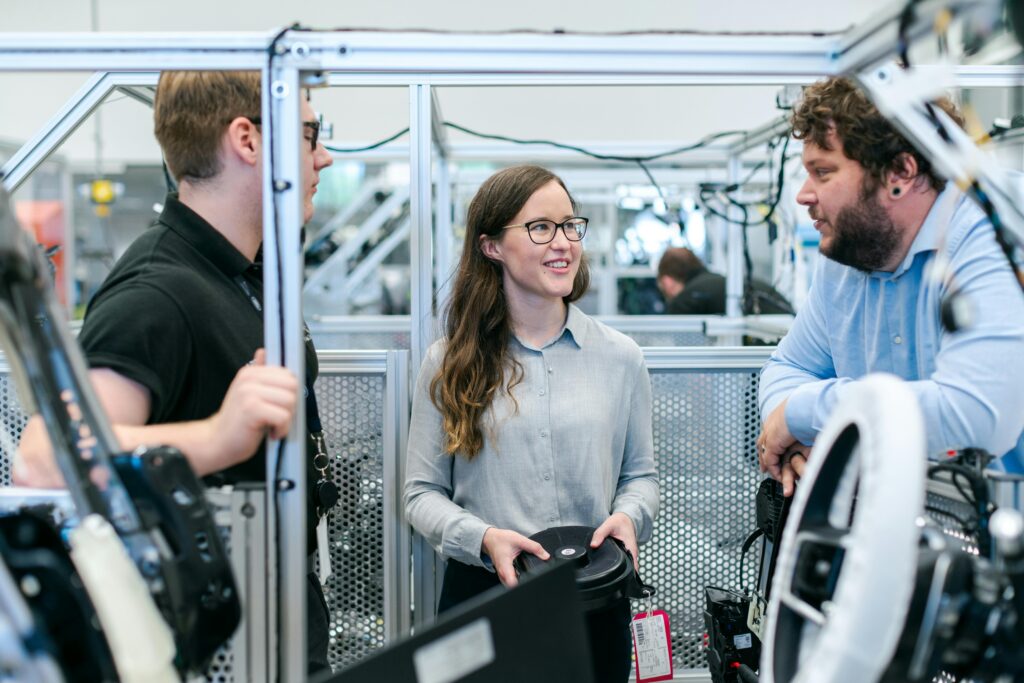
Achieving peak performance requires more than short-term fixes—it requires systems designed to operate efficiently over the long term. By focusing on smart design, process optimization, and reliability, LaFayette Engineering helps organizations move closer to their goals and sustain strong operational efficiency.
With a practical approach and deep engineering expertise, LaFayette Engineering delivers solutions that help clients operate smarter, safer, and more effectively every day.
Want to experience that efficiency for yourself? Contact LaFayette Engineering here to get started.