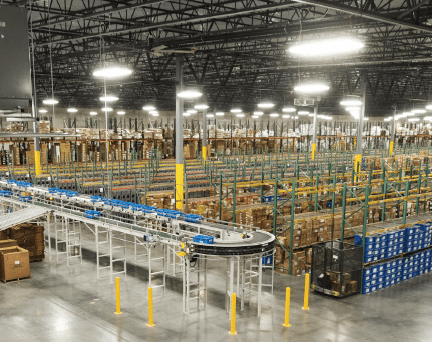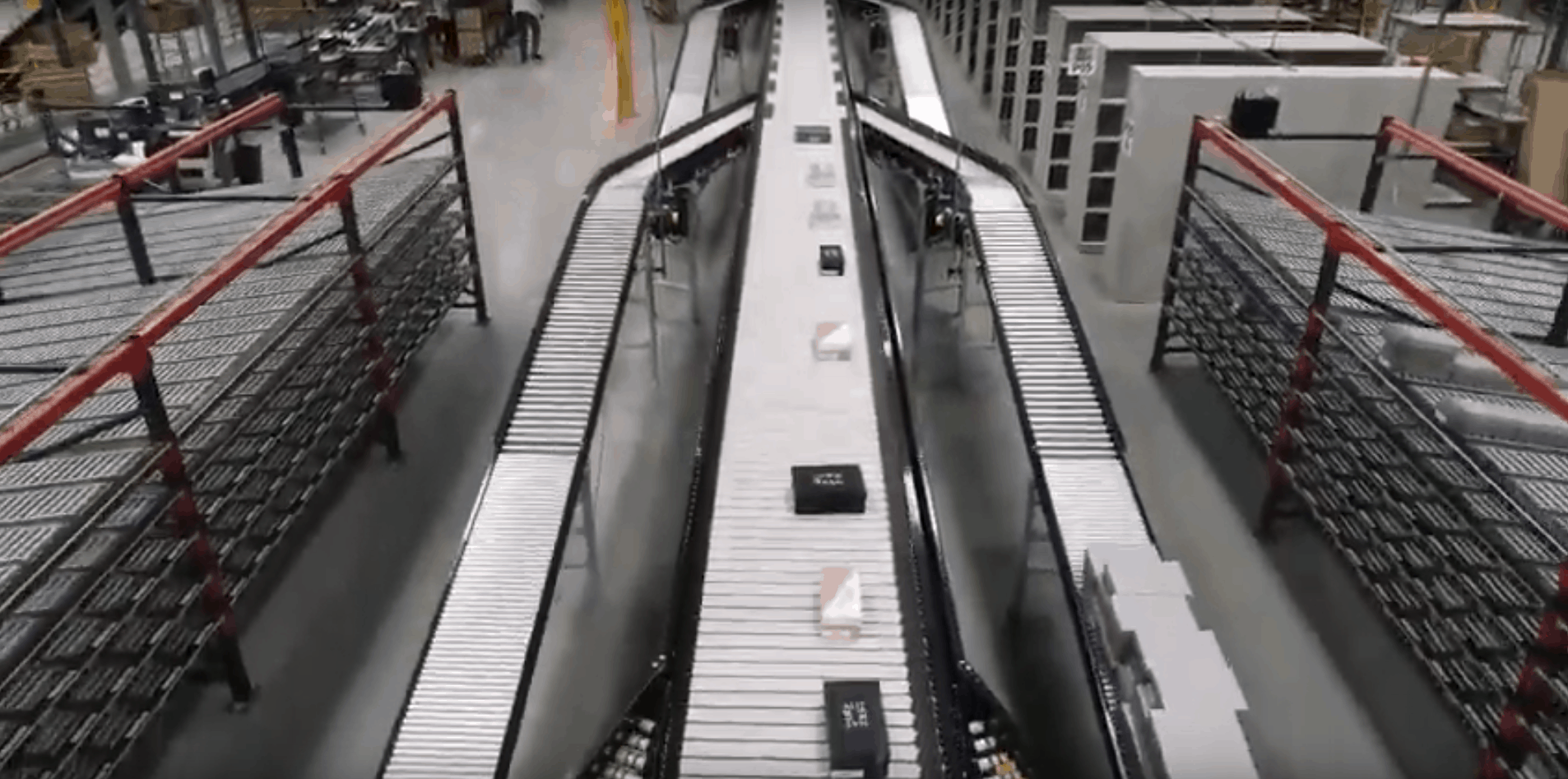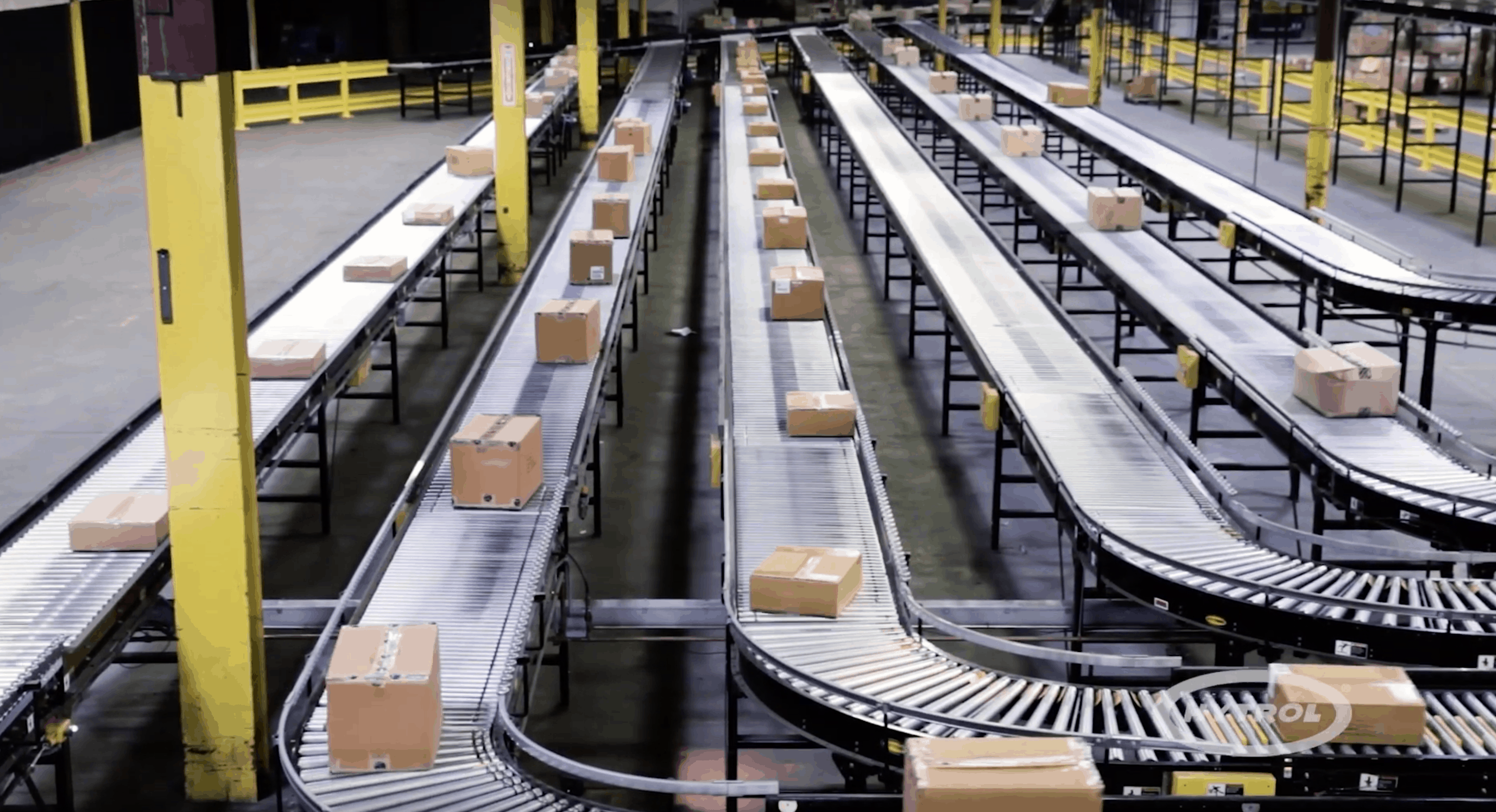
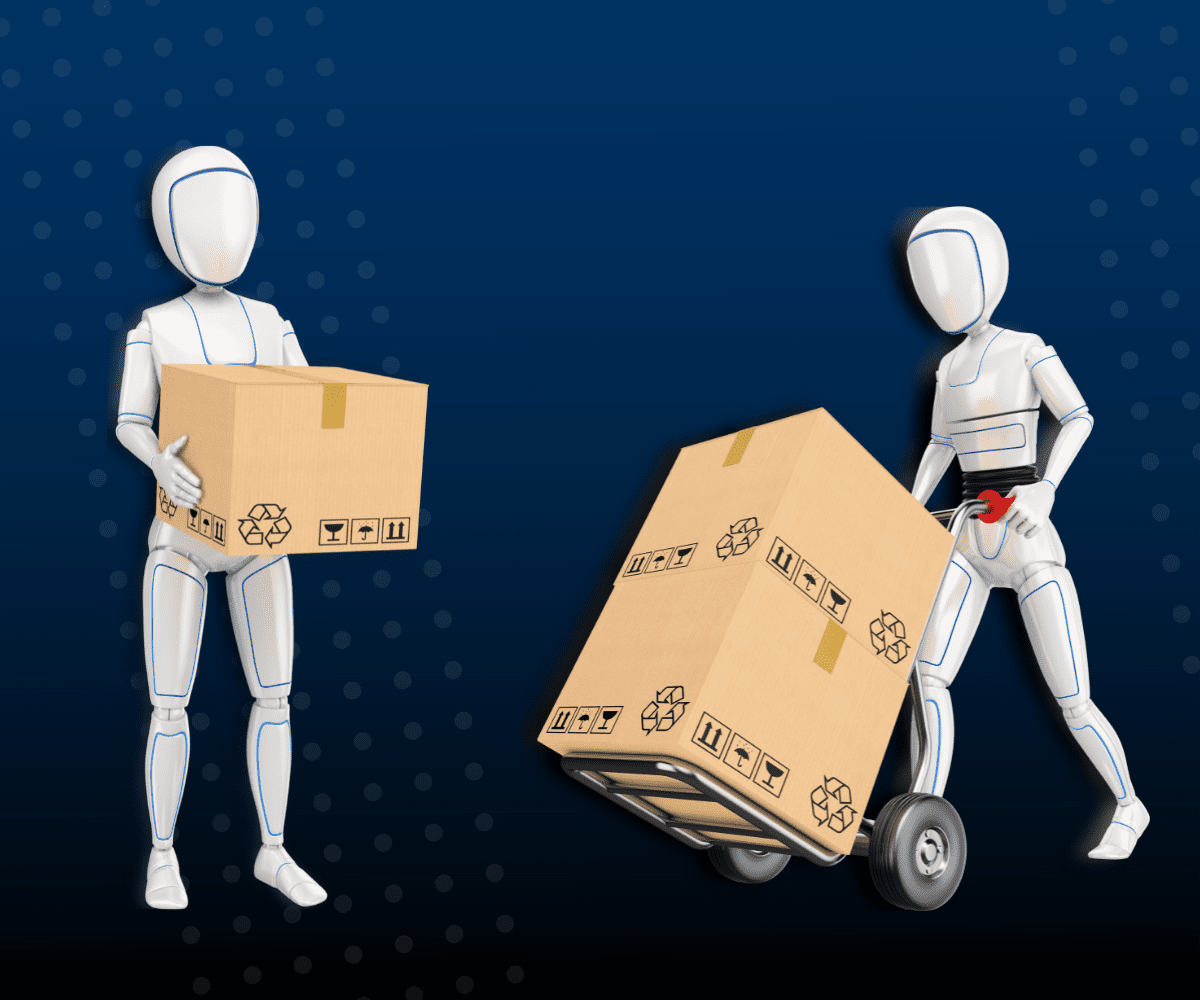
Five ways that robotics and automation can propel your business into the future.
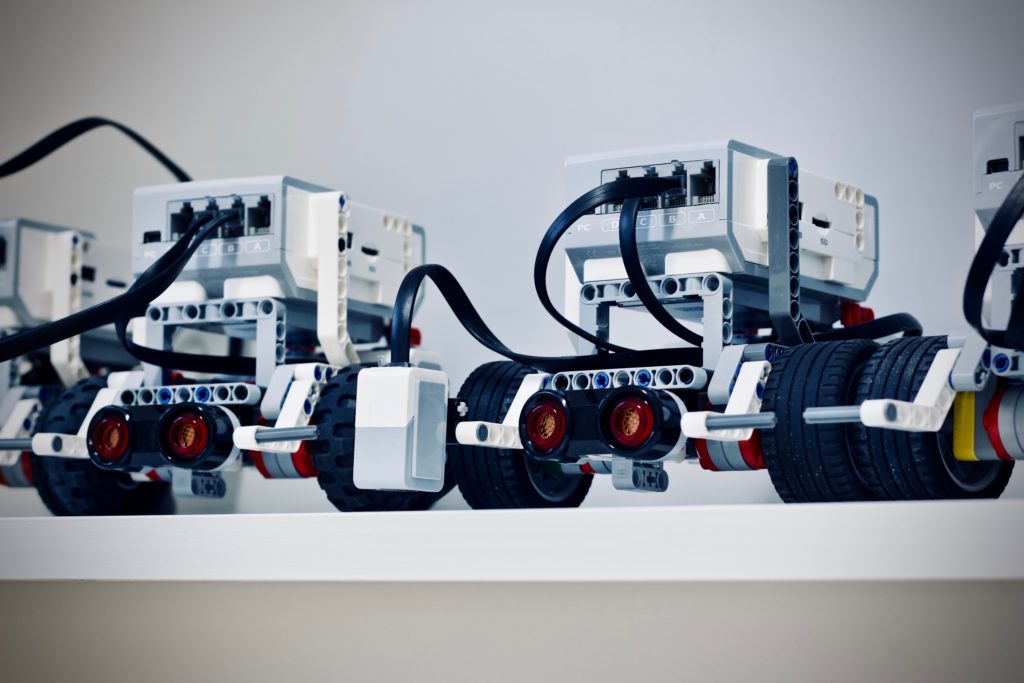
As the economy begins to open back up, many assumed that everything would fall back into place as it were, and our economy would continue to charge full steam ahead.
But that’s simply not what is happening. Labor shortages, strained and chaotic supply chains, and many other issues continue to plague economic progress in the wake of the global pandemic. Unemployment rates in the U.S are still being heavily impacted as a result.
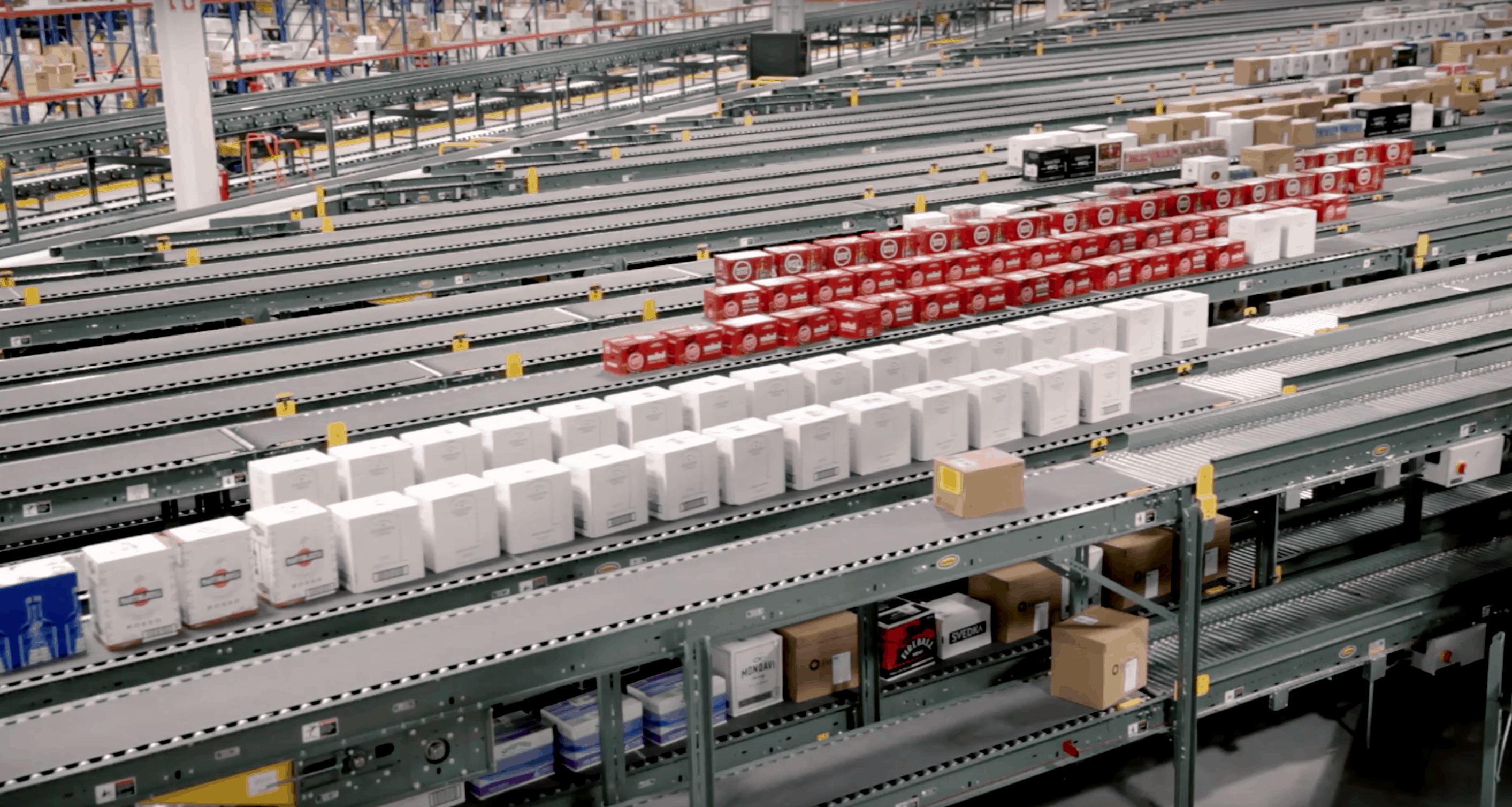
As the workforce has been slow to return to work, many in the field have been forced to wear multiple hats, taking on tasks that were previously not required of them. As you might be able to imagine, this has devastating effects on productivity. Fortunately, the future has arrived, and new technology has afforded us the ability to automate more tasks, and keep production moving with fewer workers. The answer? Robotics. As the labor shortage continues, many companies will be forced to explore the implementation of robotics and automation within their warehouses, in order to keep up with production demands and maintain the happiness and health of their employees

In this article, we’re going to discuss 5 ways that robotics and automation can help your warehouse keep up with production demands and propel their operations into the future.
- Save time. Robots can easily handle the workload of multiple humans while committing fewer errors. Front-end investment in robotics will help your facility get more done in less time, while simultaneously reducing your overhead costs. While we cannot (and should not) totally remove the human element from our facilities, robotics can serve as a wonderful compliment to human effort within materials handling, and will increase your output without increasing your payroll.
- Better Access to Data. Through connected automated systems, logistics experts and facility managers have access to many types of data – at a much faster rate — than ever before. This setup affords us the ability to call upon data from a central location, issue new commands to automated guided vehicles, and make adjustments to other connected machines, all in an instant.
- Greater Flexibility. A crucial competitive advantage for production facilities and warehouses is flexibility — especially in today’s volatile supply chain climate. Automated material handling equipment gives factories and distribution centers this advantage. With robots performing tasks continuously at high speeds, factories are able to adapt more easily to curveballs such as changing customer demands, peak season, and volume volatility.
- Cost-effective growth. As robotics becomes more common, they are becoming smarter, faster, and cheaper. An initial investment in robotics and automation capabilities will allow small to mid-sized companies to grow without increasing labor costs. The operational cost of a robot is around $2-$3, and by automating the mundane, repetitive tasks, warehouses are able to shift human effort to more complex and valuable responsibilities.
- Improved Workplace Safety. Automating dangerous tasks is not a new idea. Facilities have used pallet jacks and lift trucks for decades to reduce the risk of injury to their employees. In the same way, robotics are being used to handle hazardous processes or materials, which benefits employees and companies, both.
In order to remain competitive, warehouses must begin to rely more on robotics and automation. We never suggest replacing your staff entirely with robots, because humans play an integral role in a production facility. Robots cannot lead, develop innovative ideas, or solve problems. We will always need the human element in warehouse operations — with robots assisting our endeavors.
Want to learn more about robotics? Give us a call at (844) 845-7580 and see how we’re working to help customers like you save time, money, and growth.