Why Smart CEOs Are Choosing Turnkey Conveyor Systems (The $15 Million Decision That Changed Everything)

Essential Services

The traditional approach to conveyor system implementation is broken. Companies waste millions of dollars and months of time coordinating between multiple vendors, dealing with integration nightmares, and suffering through delayed project timelines that destroy ROI projections. Meanwhile, smart executives are discovering that turnkey conveyor systems eliminate these problems while delivering superior results at lower total costs.

Recent industry analysis reveals that companies implementing turnkey conveyor systems experience 40% faster project completion, 60% fewer integration issues, and 25% lower total project costs compared to traditional multi-vendor approaches. More importantly, turnkey conveyor systems deliver guaranteed performance from day one, eliminating the finger-pointing and blame-shifting that plague conventional installations.

At Lafayette Engineering, we’ve been perfecting turnkey conveyor systems for over 35 years, delivering complete solutions that transform operations while eliminating the headaches associated with traditional implementation approaches. Today, we’re sharing the insider knowledge that helps executives make informed decisions about turnkey conveyor systems that drive exceptional business results.

The Hidden Crisis of Traditional Conveyor System Implementation

Most companies dramatically underestimate the true cost and complexity of conventional conveyor system projects. What appears to be a straightforward equipment purchase becomes a management nightmare involving dozens of vendors, conflicting specifications, and integration challenges that can derail entire projects.

Vendor Coordination Disasters: Traditional projects require coordinating between mechanical equipment suppliers, electrical contractors, control system integrators, software developers, and installation teams. Each vendor blames others when problems arise, leaving facility managers to resolve conflicts while projects fall behind schedule.

Integration Nightmares: Connecting equipment from multiple vendors requires extensive custom engineering that often reveals incompatibilities discovered only during installation. These integration challenges can add months to project timelines and hundreds of thousands of dollars to budgets.

Performance Gaps: Without single-source accountability, traditional conveyor systems often fail to meet performance specifications due to optimization compromises between different vendors’ equipment. The result is systems that technically function but never achieve their promised efficiency levels.

Support Complexities: After installation, maintenance and support require coordinating between multiple vendors for different system components. When problems occur, determining responsibility becomes a time-consuming process that extends downtime and increases costs.

The Turnkey Conveyor Systems Advantage

Turnkey conveyor systems eliminate traditional implementation problems by providing complete solutions from a single source with guaranteed performance and unified support.

1. Single-Source Accountability

Turnkey conveyor systems provide one point of contact for design, engineering, installation, and support. This eliminates vendor coordination challenges while ensuring all components are optimized to work together for maximum performance.

When issues arise, there’s no finger-pointing or blame-shifting. The turnkey provider takes full responsibility for system performance and resolves problems quickly to minimize operational impact.

2. Optimized System Integration

Turnkey conveyor systems are designed from the ground up as integrated solutions rather than collections of individual components. This holistic approach enables optimization that’s impossible with multi-vendor implementations.

Every component—from mechanical conveyor sections to control systems to software interfaces—is selected and configured to maximize overall system performance rather than individual component specifications.

3. Guaranteed Performance Results

Turnkey conveyor systems come with comprehensive performance guarantees that cover throughput rates, accuracy levels, uptime targets, and efficiency metrics. If the system doesn’t meet specifications, the provider must make corrections at no additional cost.

This performance guarantee eliminates the risk of systems that technically function but fail to deliver promised business benefits.

4. Streamlined Project Management

Turnkey conveyor systems significantly simplify project management by reducing the number of vendors, interfaces, and potential failure points. This streamlined approach accelerates implementation while reducing management overhead.

Project timelines become more predictable because all work is coordinated by a single organization with complete control over all project elements.

Advanced Technologies in Modern Turnkey Conveyor Systems

Today’s turnkey conveyor systems incorporate cutting-edge technologies that enable performance levels impossible with traditional approaches.

Intelligent Control Systems

Modern turnkey conveyor systems utilize advanced PLC controls with sophisticated programming that optimizes performance in real-time. These systems continuously monitor operational parameters and automatically adjust settings to maintain peak efficiency.

Machine learning algorithms analyze historical performance data to predict and prevent problems before they impact operations. The result is turnkey conveyor systems that become more efficient over time through continuous optimization.

Integrated Sortation Technologies

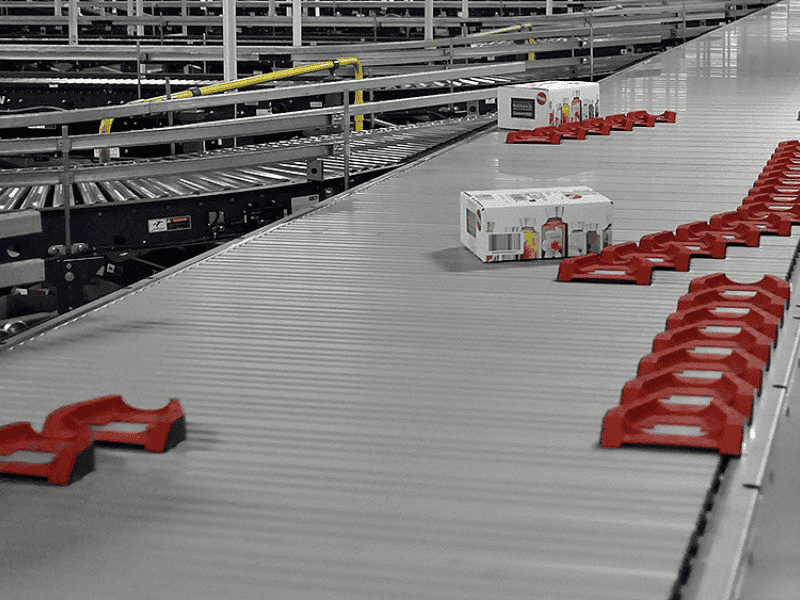
Turnkey conveyor systems can incorporate high-speed sortation capabilities that automatically route products to correct destinations with 99.9% accuracy. These systems utilize advanced scanning, weighing, and dimensional checking to ensure perfect product identification and routing.

Multiple sortation technologies including sliding shoe sorters, tilt-tray systems, and cross-belt sorters can be seamlessly integrated into turnkey conveyor systems based on specific operational requirements.

Real-Time Performance Monitoring

Advanced monitoring systems provide complete visibility into turnkey conveyor system performance through intuitive dashboards and detailed analytics. Operators can monitor throughput rates, identify bottlenecks, and optimize performance through real-time adjustments.

Predictive analytics identify potential issues before they impact operations, enabling proactive maintenance that maximizes system uptime and performance.

Seamless Software Integration

Turnkey conveyor systems include comprehensive software integration with warehouse management systems (WMS), enterprise resource planning (ERP) platforms, and transportation management systems (TMS).

This integration ensures turnkey conveyor systems receive accurate routing information, inventory updates, and order priorities while providing real-time status updates to upstream and downstream systems.

Case Study: Turnkey Conveyor Systems Transform Distribution Operations

A major retail distribution company needed to triple their processing capacity while improving accuracy and reducing labor costs. Traditional multi-vendor approaches had failed to deliver promised results in previous projects, leading management to seek turnkey conveyor systems alternatives.

The Challenge: Increase distribution center capacity from 50,000 to 150,000 packages daily while improving accuracy from 97.5% to 99.5% and reducing labor requirements by 40%.

Our Turnkey Conveyor Systems Solution:

  • Designed integrated conveyor and sortation system optimized for retail distribution
  • Implemented advanced PLC controls with real-time optimization capabilities
  • Integrated high-speed sortation with multiple validation points
  • Provided comprehensive training and ongoing optimization support

Outstanding Results:

  • 280% increase in processing capacity (achieved 140,000 packages daily)
  • 99.7% accuracy rate exceeding target specifications
  • 52% reduction in labor requirements
  • $6.8 million annual operational savings
  • Project completed 3 months ahead of schedule
  • ROI achieved in 13 months

Strategic Implementation of Turnkey Conveyor Systems

Successful turnkey conveyor systems implementation requires systematic planning and execution that addresses both technical requirements and operational considerations.

Phase 1: Requirements Analysis and Solution Design

Turnkey conveyor systems projects begin with comprehensive analysis of operational requirements, facility constraints, and performance objectives.

Operational Assessment: Detailed analysis of current processes, throughput requirements, product characteristics, and growth projections to ensure turnkey conveyor systems meet both current and future needs.

Facility Evaluation: Complete evaluation of facility layout, structural capabilities, utility availability, and integration requirements with existing systems.

Performance Specifications: Development of detailed performance requirements including throughput rates, accuracy targets, uptime goals, and efficiency metrics that turnkey conveyor systems must achieve.

Solution Design: Creation of comprehensive system design that optimizes performance while meeting budget and timeline constraints.

Phase 2: Engineering and Pre-Installation Validation

Detailed engineering and validation ensure turnkey conveyor systems will perform as specified before installation begins.

Detailed Engineering: Complete mechanical, electrical, and software engineering with detailed drawings, specifications, and programming requirements.

Simulation Testing: Advanced computer simulation validates system performance and identifies potential issues before installation.

Component Testing: Critical components undergo factory testing to ensure they meet specifications and integrate properly with other system elements.

Installation Planning: Detailed installation plans minimize facility disruption while ensuring safe, efficient implementation.

Phase 3: Installation and Commissioning

Professional installation teams implement turnkey conveyor systems with minimal operational disruption while ensuring perfect performance from day one.

Phased Installation: Strategic installation approach maintains facility operations while new systems are implemented and tested.

System Integration: Comprehensive integration testing ensures all components work together optimally and interface correctly with existing systems.

Performance Validation: Extensive testing validates that turnkey conveyor systems meet all performance specifications before final acceptance.

Operator Training: Comprehensive training programs ensure operators can effectively utilize new systems and follow optimized procedures.

Measuring Turnkey Conveyor Systems Success

Effective turnkey conveyor systems must be measured through comprehensive metrics that demonstrate both operational improvements and financial returns.

Performance Metrics for turnkey conveyor systems include:

  • Throughput Achievement: Actual vs. specified processing rates across all system components
  • Accuracy Performance: Error rates and first-pass success rates for sorting and routing functions
  • System Uptime: Percentage of scheduled operating time systems are productive and available
  • Energy Efficiency: Power consumption per unit processed compared to baseline operations
  • Labor Productivity: Output per worker-hour with new turnkey conveyor systems
  • Space Utilization: Productive use of facility space enabled by optimized system design

Financial Metrics include:

  • Project ROI: Return on investment from turnkey conveyor systems including all direct and indirect benefits
  • Cost Per Unit: Total operational cost per unit processed through new systems
  • Labor Cost Savings: Reduction in labor requirements and associated costs
  • Quality Improvements: Cost savings from reduced errors, damage, and rework requirements

Industry Applications for Turnkey Conveyor Systems

Turnkey conveyor systems provide advantages across multiple industries, each with unique requirements and performance objectives.

E-Commerce and Fulfillment

E-commerce operations require turnkey conveyor systems that can handle enormous product variety with high-speed throughput and perfect accuracy. These systems must accommodate everything from small jewelry items to large appliances while maintaining consistent performance.

Seasonal demand fluctuations require turnkey conveyor systems that can scale capacity during peak periods like holiday shopping seasons while maintaining efficiency during normal operations.

Manufacturing and Assembly

Manufacturing facilities need turnkey conveyor systems that integrate seamlessly with production processes while handling diverse product types and assembly requirements.

Just-in-time manufacturing requires turnkey conveyor systems that coordinate with production schedules to deliver components precisely when needed while maintaining lean inventory levels.

Distribution and Wholesale

Distribution centers require turnkey conveyor systems that optimize space utilization while maximizing throughput and accuracy for diverse product mixes and customer requirements.

Cross-docking operations need turnkey conveyor systems that coordinate inbound and outbound transportation schedules while minimizing product handling and storage time.

Food and Beverage

Food processing facilities require turnkey conveyor systems that meet strict sanitation requirements while handling temperature-sensitive products and maintaining traceability throughout the process.

Specialized materials and cleaning requirements make turnkey conveyor systems particularly valuable for food applications where system integration and support are critical.

Advanced Features of Modern Turnkey Conveyor Systems

Leading turnkey conveyor systems incorporate sophisticated features that enable superior performance and operational flexibility.

Modular Scalability

Modern turnkey conveyor systems utilize modular designs that enable easy expansion and reconfiguration as operational requirements change. This scalability protects initial investment while enabling growth accommodation.

Modular components can be added, relocated, or reconfigured without major system overhauls, providing operational flexibility that adapts to changing business requirements.

Predictive Maintenance Integration

Advanced turnkey conveyor systems include predictive maintenance capabilities that monitor equipment condition and automatically schedule maintenance activities before failures occur.

This proactive approach minimizes unplanned downtime while optimizing maintenance costs through condition-based scheduling rather than arbitrary time intervals.

Energy Optimization

Modern turnkey conveyor systems incorporate energy-efficient components and intelligent controls that minimize power consumption while maintaining performance.

Variable frequency drives, LED lighting, and smart power management systems reduce operational costs while supporting corporate sustainability initiatives.

Safety Integration

Comprehensive safety systems are integrated throughout turnkey conveyor systems to protect workers while maintaining productivity. This includes emergency stops, safety interlocks, and automated safety monitoring.

Safety systems are designed to prevent accidents without unnecessarily interrupting operations, maintaining both worker protection and operational efficiency.

Selecting the Right Turnkey Conveyor Systems Provider

Choosing the right partner for turnkey conveyor systems implementation is critical for project success and long-term operational performance.

Technical Expertise and Experience

Look for providers with proven experience in turnkey conveyor systems across multiple industries and application types. Technical capabilities should include mechanical engineering, electrical systems, control programming, and software integration.

Review case studies and customer references that demonstrate successful turnkey conveyor systems implementations similar to your specific requirements.

Project Management Excellence

Turnkey conveyor systems implementation requires exceptional project management to coordinate all aspects of design, engineering, procurement, installation, and commissioning.

Providers should demonstrate strong project management capabilities with track records of on-time, on-budget project completion.

Comprehensive Support Services

Post-installation support is critical for maintaining turnkey conveyor systems performance throughout their operational life. Providers should offer comprehensive maintenance programs, performance monitoring, and continuous optimization services.

24/7 support availability ensures rapid response to any issues that could impact operations.

Financial Stability and Longevity

Turnkey conveyor systems represent long-term investments that require ongoing support throughout their operational life. Choose providers with strong financial stability and established track records that ensure long-term support availability.

According to industry research from Modern Materials Handling, provider stability is the most important factor for long-term turnkey conveyor systems success.

The turnkey conveyor systems landscape continues evolving as new technologies emerge and operational requirements become more complex.

Artificial Intelligence Integration: Future turnkey conveyor systems will incorporate AI technologies that enable autonomous optimization, predictive performance management, and intelligent decision-making.

Robotics Integration: Advanced turnkey conveyor systems will seamlessly integrate robotic technologies for picking, packing, palletizing, and quality control functions.

Sustainability Focus: Next-generation turnkey conveyor systems will emphasize energy efficiency, recyclable materials, and minimal environmental impact throughout their operational life.

Flexible Automation: Future systems will feature greater adaptability to handle varying product types, seasonal demand fluctuations, and changing operational requirements without major reconfiguration.

Maximizing ROI from Turnkey Conveyor Systems

Achieving maximum return on investment from turnkey conveyor systems requires strategic planning and ongoing optimization throughout the system lifecycle.

Comprehensive Planning

Successful turnkey conveyor systems start with comprehensive planning that considers both current requirements and future growth projections. This planning ensures systems can accommodate business evolution without major modifications.

Performance Optimization

Continuous performance monitoring and optimization ensure turnkey conveyor systems maintain peak efficiency throughout their operational life. Regular performance reviews identify improvement opportunities and optimization strategies.

Preventive Maintenance

Systematic maintenance programs protect turnkey conveyor systems investment while ensuring reliable performance. Preventive maintenance is much more cost-effective than reactive repairs and minimizes operational disruptions.

Technology Upgrades

Regular technology assessments identify upgrade opportunities that can enhance turnkey conveyor systems performance while extending operational life. Planned upgrade cycles ensure systems remain current with industry best practices.

Taking Action on Turnkey Conveyor Systems

The competitive landscape demands immediate action on operational optimization. Companies that delay turnkey conveyor systems implementation risk falling behind competitors while continuing to struggle with inefficient, problem-prone operations.

Lafayette Engineering has been helping companies achieve turnkey conveyor systems success for over three decades. Our comprehensive approach combines proven engineering principles with cutting-edge technology to deliver complete solutions that provide measurable, long-term value.

Our turnkey conveyor systems expertise includes high-speed conveyor design, advanced sortation integration, intelligent control systems, and seamless software integration. We work closely with clients to understand their specific operational requirements and develop customized solutions that exceed performance expectations.

If you’re ready to explore how turnkey conveyor systems can transform your operations, visit Lafayette Engineering to schedule a consultation with our team. We’ll assess your current operations, identify improvement opportunities, and develop a complete solution that delivers exceptional return on investment.

Don’t let traditional implementation approaches continue creating problems and delays. The right turnkey conveyor systems provider can transform your operations with guaranteed results, single-source accountability, and comprehensive support that ensures long-term success.

This One Sortation Accuracy Improvement Technique Saved Amazon $127 Million (And Why Every Warehouse Needs It Now)

Conveyor System Operating Costs and Expenses.

Sortation errors are the silent profit killers destroying warehouse operations across the globe. A single misrouted package doesn’t just cost the price of expedited shipping—it triggers a cascade of expenses including customer service calls, replacement shipments, damaged brand reputation, and lost future sales. Industry data reveals that sortation accuracy improvement can reduce operational costs by up to 45% while simultaneously boosting customer satisfaction scores by 60%.

The most shocking discovery? Companies implementing strategic sortation accuracy improvement systems report average annual savings of $2.8 million, with some large operations saving over $100 million through systematic error reduction.

At Lafayette Engineering, we’ve revolutionized sortation accuracy improvement for hundreds of clients over our 35-year history. Today, we’re revealing the insider strategies that transform error-prone operations into precision sorting machines that deliver 99.9% accuracy rates.

The Hidden Cost Crisis of Sortation Errors

Most warehouse managers dramatically underestimate the true cost of sortation errors. While the obvious costs like return shipping and labor are visible, the hidden costs can be 10-15 times larger and include long-term damage that compounds over years.

Direct Error Costs: The immediate expense of correcting a sortation error includes return transportation, additional handling labor, customer service intervention, and expedited re-shipment. These direct costs average $47 per error across all industries.

Indirect Operational Costs: Sortation errors create operational chaos that extends far beyond the individual mistake. These include inventory discrepancies, delayed shipments, resource reallocation, and system disruptions that impact overall facility efficiency.

Customer Relationship Damage: Perhaps most devastating are the long-term costs of customer dissatisfaction. Research shows that 73% of customers will switch to competitors after experiencing multiple delivery errors, representing lifetime value losses often exceeding $50,000 per lost customer.

Compliance and Regulatory Issues: In industries like pharmaceuticals, automotive, and food service, sortation errors can trigger regulatory investigations, recalls, and legal liability that cost millions of dollars.

The Science Behind Sortation Accuracy Improvement

Effective sortation accuracy improvement requires understanding the root causes of errors and implementing systematic solutions that address each potential failure point.

1. Human Error Elimination Through Automation

Manual sortation processes have inherent error rates of 1-3% due to human factors like fatigue, distraction, and misidentification. Strategic sortation accuracy improvement replaces error-prone manual processes with automated systems that achieve 99.9% accuracy rates.

Our high-speed sortation systems utilize advanced scanning technology, weight verification, and dimensional checking to ensure every product is correctly identified and routed. Multiple validation points throughout the process provide redundant error checking that catches and corrects mistakes before they impact customers.

2. Real-Time Error Detection and Correction

Advanced sortation accuracy improvement systems incorporate real-time monitoring that detects errors as they occur and automatically initiates correction procedures. This includes:

Continuous Product Tracking: Every item receives a unique identifier that’s tracked throughout the entire sortation process, enabling instant detection of routing errors or missing items.

Automated Exception Handling: When errors are detected, the system automatically diverts products to exception processing areas where corrective action can be taken without disrupting overall operations.

Predictive Error Prevention: Machine learning algorithms analyze patterns in sortation data to predict and prevent errors before they occur, continuously improving system accuracy over time.

3. Integration with Warehouse Management Systems

Sortation accuracy improvement requires seamless integration with warehouse management systems (WMS) to ensure product information, routing instructions, and inventory data remain synchronized throughout the process.

Our control systems interface directly with leading WMS platforms to receive real-time routing updates, inventory adjustments, and order modifications that impact sortation decisions.

Revolutionary Sortation Accuracy Improvement Technologies

Modern sortation accuracy improvement leverages cutting-edge technologies that enable precision levels previously thought impossible in high-speed operations.

Advanced Scanning and Identification

Multi-dimensional barcode scanning, RFID reading, and optical character recognition (OCR) systems provide multiple methods for accurate product identification. If one identification method fails, backup systems ensure products are correctly processed.

These systems can read damaged barcodes, process multiple labels simultaneously, and verify product information against database records to prevent errors before they occur.

Dynamic Weighing and Dimensioning

Integrated weighing and dimensioning systems provide additional verification points that catch errors missed by scanning systems. Products that don’t match expected weight or dimension parameters are automatically flagged for manual verification.

This technology is particularly effective for catching “phantom picks” where wrong products are selected, substitution errors where similar items are confused, and quantity errors where multiple items are processed as single units.

Artificial Intelligence and Machine Learning

AI-powered sortation accuracy improvement systems continuously learn from operational data to identify error patterns and optimize sorting algorithms. These systems can predict which products are most likely to be missorted and implement additional verification procedures for high-risk items.

Machine learning algorithms analyze factors like product characteristics, order patterns, seasonal variations, and operator performance to continuously improve sortation accuracy without human intervention.

Case Study: Transforming Sortation Accuracy for E-Commerce Giant

A major e-commerce fulfillment center was experiencing sortation error rates of 2.1%, resulting in over $8 million annually in error-related costs and serious customer satisfaction issues.

The Challenge: Processing 150,000 packages daily with manual sortation methods was creating an unsustainable error rate that threatened the company’s growth plans and customer relationships.

Our Sortation Accuracy Improvement Solution:

  • Implemented high-speed automated sortation systems with 99.9% accuracy rates
  • Integrated multi-point verification including scanning, weighing, and dimensional checking
  • Deployed real-time error detection and automatic correction systems
  • Created predictive analytics for error prevention and continuous improvement

Dramatic Results:

  • 95% reduction in sortation errors (from 2.1% to 0.1%)
  • $7.6 million annual savings in error-related costs
  • 78% improvement in customer satisfaction scores
  • 340% increase in sortation capacity with improved accuracy
  • ROI achieved in 11 months

Strategic Implementation of Sortation Accuracy Improvement

Successful sortation accuracy improvement requires a systematic approach that addresses both technology and process optimization while minimizing operational disruption.

Phase 1: Error Analysis and Root Cause Identification

Sortation accuracy improvement begins with comprehensive analysis of current error patterns to identify specific causes and prioritize improvement opportunities.

Error Categorization: Systematic classification of all sortation errors by type, frequency, cost impact, and root cause to focus improvement efforts on highest-impact areas.

Process Mapping: Detailed analysis of current sortation workflows to identify error-prone steps and optimization opportunities.

Technology Assessment: Evaluation of existing equipment capabilities and integration requirements for accuracy improvement systems.

Performance Benchmarking: Establishment of baseline accuracy metrics and improvement targets for measuring project success.

Phase 2: Solution Design and Validation

Based on error analysis findings, our engineering team develops comprehensive sortation accuracy improvement solutions tailored to your specific operational requirements and error patterns.

All solutions undergo rigorous simulation testing and pilot implementation to validate accuracy improvements before full-scale deployment.

Phase 3: Phased Implementation and Training

Sortation accuracy improvement implementation occurs in carefully planned phases to maintain operational continuity while systematically reducing error rates.

Comprehensive training programs ensure operators understand new procedures and can effectively utilize accuracy improvement technologies.

Measuring Sortation Accuracy Improvement Success

Effective sortation accuracy improvement must be measured through comprehensive metrics that capture both error reduction and operational impact.

Primary Accuracy Metrics:

  • Error Rate: Percentage of items sorted incorrectly
  • First-Pass Accuracy: Percentage of items sorted correctly without rework
  • Error Detection Rate: Percentage of errors caught and corrected before shipment
  • Error Resolution Time: Average time required to correct detected errors

Operational Impact Metrics:

  • Customer Satisfaction: Surveys and retention rates related to delivery accuracy
  • Cost Per Error: Total cost impact of sortation errors including all direct and indirect costs
  • Processing Throughput: Items processed per hour with improved accuracy systems
  • Labor Productivity: Reduction in error correction labor requirements

Financial Performance Metrics:

  • Cost Savings: Total reduction in error-related costs including shipping, labor, and customer service
  • Revenue Protection: Retained sales from improved customer satisfaction
  • ROI: Return on investment from sortation accuracy improvement systems

Advanced Sortation Accuracy Improvement Strategies

Leading companies are implementing increasingly sophisticated approaches to sortation accuracy improvement that go beyond traditional error reduction methods.

Predictive Error Prevention

Advanced sortation accuracy improvement systems use machine learning algorithms to predict which items are most likely to be missorted based on historical data, product characteristics, and operational conditions.

These predictive systems automatically implement enhanced verification procedures for high-risk items, preventing errors before they occur rather than detecting and correcting them after the fact.

Dynamic Quality Control

Smart sortation accuracy improvement systems continuously adjust quality control parameters based on real-time performance data. When error rates increase, additional verification steps are automatically activated until accuracy returns to acceptable levels.

This dynamic approach ensures optimal balance between throughput speed and accuracy requirements while minimizing unnecessary quality control overhead during high-performance periods.

Cross-Validation Systems

Multiple independent verification systems provide redundant checking that catches errors missed by individual technologies. This might include barcode scanning combined with weight verification, dimensional checking, and optical character recognition.

Cross-validation sortation accuracy improvement systems can achieve accuracy rates exceeding 99.95% by implementing multiple verification points throughout the sortation process.

Industry-Specific Sortation Accuracy Improvement Challenges

Different industries face unique sortation accuracy improvement challenges that require specialized solutions and approaches.

E-Commerce and Retail

E-commerce operations must handle enormous product variety with high-speed throughput requirements. Sortation accuracy improvement solutions must accommodate everything from tiny jewelry items to large appliances while maintaining consistent accuracy rates.

Seasonal demand fluctuations require sortation accuracy improvement systems that can scale capacity while maintaining precision during peak periods like holiday shopping seasons.

Pharmaceuticals and Healthcare

Pharmaceutical sortation requires 100% accuracy due to patient safety considerations and regulatory requirements. Sortation accuracy improvement systems must include enhanced verification procedures, lot tracking, and expiration date monitoring.

Temperature-sensitive products require specialized handling procedures integrated into sortation accuracy improvement systems to maintain product integrity while ensuring routing precision.

Automotive and Manufacturing

Manufacturing environments require sortation accuracy improvement systems that can handle parts with similar appearance but different specifications. Advanced identification technologies including RFID and vision systems ensure correct routing of critical components.

Just-in-time manufacturing requires sortation accuracy improvement systems that coordinate with production schedules to deliver correct parts precisely when needed.

The sortation accuracy improvement landscape continues evolving as new technologies emerge and accuracy requirements become more stringent.

Vision System Integration: Advanced computer vision systems will enable sortation accuracy improvement through visual product identification, damage detection, and quality verification that exceeds current scanning technologies.

Blockchain Verification: Distributed ledger technologies will enable sortation accuracy improvement through immutable tracking records that prevent errors and provide complete audit trails for regulated industries.

Augmented Reality Assistance: AR-guided sortation accuracy improvement will provide operators with real-time visual guidance for complex sorting tasks while maintaining high accuracy rates.

According to research from the Material Handling Institute, these emerging technologies will enable sortation accuracy improvement systems to achieve accuracy rates exceeding 99.99% while handling increasingly complex product mixes.

The Competitive Advantage of Superior Sortation Accuracy

Companies implementing comprehensive sortation accuracy improvement strategies gain significant competitive advantages that extend far beyond error cost savings.

Customer Loyalty: Superior sortation accuracy improvement creates customer experiences that build long-term loyalty and positive word-of-mouth marketing that drives organic growth.

**

The $50 Million Material Handling Optimization Secret That Fortune 500 Companies Don’t Want You to Know

Conveyor Control

Every minute your material handling system operates inefficiently, you’re literally watching money disappear. Recent industry data reveals that companies implementing strategic material handling optimization strategies see average cost reductions of 35% and productivity increases of up to 250%. Yet most businesses continue operating with outdated systems that hemorrhage profits daily.

The shocking truth? Material handling optimization isn’t just about moving products faster—it’s about creating a competitive advantage so significant that it can make or break your company’s future in an increasingly demanding marketplace.

At Lafayette Engineering, we’ve spent over 35 years perfecting material handling optimization strategies that have saved our clients millions of dollars while positioning them as industry leaders. Today, we’re sharing the insider knowledge that transforms struggling operations into profit-generating powerhouses.

The Hidden Crisis in Material Handling Operations

Material handling optimization has become critical as supply chain pressures reach unprecedented levels. The average warehouse now processes 40% more volume than five years ago, while simultaneously dealing with 60% smaller average order sizes and customer expectations for same-day delivery.

This perfect storm has exposed fatal flaws in traditional material handling approaches:

Labor Dependency Crisis: Manual material handling operations require 3-4 times more labor per unit processed compared to optimized automated systems. With warehouse labor costs increasing 18% annually and turnover rates exceeding 75%, companies relying on manual processes face an unsustainable trajectory.

Inventory Accuracy Disasters: Poor material handling optimization leads to inventory discrepancies that cost the average company $1.1 million annually in lost sales, excess inventory, and emergency expediting costs.

Space Utilization Failures: Most facilities operate at only 60-65% of their optimal capacity due to inefficient material handling design. This represents millions of dollars in wasted real estate investment and lost growth potential.

Quality Control Breakdowns: Inadequate material handling optimization results in product damage rates 300% higher than properly designed systems, directly impacting customer satisfaction and profit margins.

The Science Behind Revolutionary Material Handling Optimization

Effective material handling optimization operates on scientific principles that most companies either don’t understand or fail to implement correctly. The foundation lies in what engineers call “flow optimization theory”—the systematic elimination of waste in material movement.

1. Throughput Maximization Through Smart Routing

Advanced material handling optimization utilizes sophisticated algorithms to determine optimal routing paths for every product type. This isn’t simply about shortest distance; it’s about minimizing total system load while maximizing throughput capacity.

Our PLC-controlled conveyor systems continuously analyze real-time data to make split-second routing decisions that optimize overall system performance. The result is material handling optimization that adapts to changing conditions without human intervention.

2. Load Balancing and Capacity Management

True material handling optimization requires dynamic load balancing across all system components. Traditional systems create bottlenecks that constrain entire operations, while optimized systems automatically distribute work to maintain peak efficiency.

This involves sophisticated control algorithms that monitor queue lengths, processing speeds, and equipment availability to make intelligent routing decisions. When one processing station becomes overloaded, the system automatically redirects work to available capacity.

3. Predictive Performance Analytics

The most advanced material handling optimization systems incorporate predictive analytics that anticipate and prevent problems before they impact operations. These systems monitor hundreds of performance parameters to identify early warning signs of potential failures or efficiency degradation.

Machine learning algorithms analyze historical performance data to predict maintenance requirements, optimize preventive maintenance schedules, and automatically adjust system parameters for peak performance.

Case Study: Revolutionary Material Handling Optimization Results

A Fortune 500 manufacturing company approached Lafayette Engineering with a critical material handling optimization challenge. Their existing system couldn’t keep pace with production demands, creating costly bottlenecks that limited overall facility capacity.

The Challenge: The facility needed to increase material handling capacity by 200% without expanding their physical footprint or dramatically increasing labor costs.

Our Material Handling Optimization Solution:

  • Implemented high-speed conveyor systems with intelligent routing capabilities
  • Integrated advanced sortation technology for automated product classification
  • Deployed real-time control systems for dynamic load balancing
  • Created predictive maintenance protocols to minimize downtime

Measurable Results:

  • 285% increase in material handling throughput
  • 92% reduction in manual handling requirements
  • 67% improvement in order accuracy
  • $4.2 million annual cost savings
  • ROI achieved in 14 months

Advanced Technologies Driving Material Handling Optimization

Modern material handling optimization leverages cutting-edge technologies that were unimaginable just a decade ago. Understanding and implementing these technologies is crucial for companies serious about maintaining competitive advantage.

Artificial Intelligence Integration

AI-powered material handling optimization systems continuously learn from operational data to improve performance over time. These systems identify patterns human operators miss and make optimization decisions based on complex multi-variable analysis.

Machine learning algorithms analyze factors like product characteristics, order patterns, seasonal variations, and equipment performance to optimize routing decisions and resource allocation in real-time.

Internet of Things (IoT) Connectivity

Smart sensors throughout optimized material handling systems provide unprecedented visibility into operational performance. Every conveyor segment, sorting station, and control point generates data that feeds into central optimization algorithms.

This IoT integration enables material handling optimization systems to detect anomalies instantly, predict maintenance requirements, and automatically adjust parameters to maintain peak efficiency.

Advanced Robotics Integration

While not every operation requires robotics, strategic integration of robotic systems can dramatically enhance material handling optimization results. Collaborative robots excel at repetitive tasks like palletizing, picking, and quality inspection.

The key is identifying specific applications where robotics provides the greatest optimization benefit while integrating seamlessly with human workers and existing systems.

Strategic Implementation of Material Handling Optimization

Successful material handling optimization requires a systematic approach that minimizes operational disruption while maximizing improvement benefits.

Phase 1: Comprehensive System Analysis

Material handling optimization begins with detailed analysis of current operations to identify specific bottlenecks and improvement opportunities. This includes:

Flow Analysis: Mapping every product movement to identify inefficiencies and optimization opportunities Capacity Assessment: Determining current system limitations and expansion possibilities
Performance Benchmarking: Establishing baseline metrics for measuring optimization results Cost-Benefit Analysis: Quantifying potential savings and ROI from various optimization scenarios

Phase 2: Solution Design and Engineering

Based on analysis findings, our engineering team develops comprehensive material handling optimization solutions tailored to your specific operational requirements.

This design phase includes detailed system layouts, control logic programming, integration specifications, and implementation timelines. All designs undergo rigorous simulation testing to validate performance predictions.

Phase 3: Phased Implementation Strategy

Material handling optimization implementation occurs in carefully planned phases to minimize operational disruption. Critical systems remain operational while new components are installed and tested.

Our experienced project managers coordinate closely with your operations team to ensure smooth transitions and minimal impact on daily activities.

Measuring Material Handling Optimization Success

Effective material handling optimization must be measured through comprehensive metrics that capture both operational improvements and financial returns.

Critical Performance Indicators for material handling optimization include:

  • System Throughput: Units processed per hour across all handling points
  • Handling Efficiency: Percentage of time products are actively moving vs. waiting
  • Error Rates: Accuracy of product routing and destination fulfillment
  • Equipment Utilization: Percentage of available capacity actively used
  • Labor Productivity: Output per worker-hour in material handling activities
  • Space Utilization: Productive use of available floor space for material flow

Regular monitoring and analysis of these metrics enables continuous refinement of material handling optimization strategies and identification of new improvement opportunities.

Common Material Handling Optimization Mistakes to Avoid

Even well-intentioned material handling optimization projects can fail to deliver expected results if common implementation pitfalls aren’t avoided.

Technology Over-Reliance: The most effective material handling optimization balances automation with human capabilities. Over-automating processes that benefit from human flexibility and judgment often reduces overall system effectiveness.

Inadequate Integration Planning: Material handling optimization systems must integrate seamlessly with existing warehouse management systems (WMS), enterprise resource planning (ERP) software, and transportation management systems. Research from the Council of Supply Chain Management Professionals shows that poor integration accounts for 60% of optimization project failures.

Insufficient Scalability Planning: Effective material handling optimization must accommodate future growth and changing operational requirements. Systems designed only for current needs often become constraints as businesses evolve.

Overlooking Change Management: Material handling optimization typically requires significant changes to established workflows and procedures. Without proper change management and employee training, even technically superior systems can fail to achieve their potential.

The Economic Impact of Material Handling Optimization

The financial benefits of strategic material handling optimization extend far beyond obvious cost savings. Companies implementing comprehensive optimization strategies typically experience multiple levels of economic improvement.

Direct Cost Reductions: Immediate savings from reduced labor requirements, decreased product damage, improved space utilization, and lower energy consumption.

Productivity Gains: Increased throughput capacity allows companies to handle more volume without proportional increases in costs, improving profit margins on every transaction.

Customer Satisfaction Improvements: Material handling optimization enables faster, more accurate order fulfillment, leading to improved customer retention and increased sales volume.

Competitive Advantage: Superior material handling optimization creates operational capabilities that competitors struggle to match, enabling premium pricing and market share growth.

Future Trends in Material Handling Optimization

The material handling optimization landscape continues evolving as new technologies emerge and customer expectations increase.

Sustainability Integration: Future material handling optimization will increasingly focus on environmental impact reduction through energy-efficient systems, waste minimization, and sustainable packaging integration.

Flexible Automation: Next-generation optimization systems will feature greater adaptability to handle varying product types, seasonal demand fluctuations, and changing operational requirements without major reconfiguration.

Predictive Optimization: Advanced analytics will enable material handling optimization systems to predict and prevent problems before they impact operations, while continuously optimizing performance based on real-time conditions and historical data.

Advanced Material Handling Optimization Strategies

Leading companies are implementing increasingly sophisticated material handling optimization approaches that go beyond traditional conveyor and sorting systems.

Dynamic Resource Allocation

Advanced material handling optimization systems continuously monitor system capacity and automatically allocate resources to maintain optimal flow rates. This includes adjusting conveyor speeds, routing priorities, and staffing levels based on real-time demand patterns.

Cross-Docking Optimization

For companies utilizing cross-docking operations, material handling optimization becomes particularly critical. Products must move from inbound to outbound transportation with minimal handling and zero storage time.

Our specialized cross-docking optimization solutions coordinate inbound and outbound transportation schedules with internal material handling systems to minimize dwell time and maximize dock door utilization.

Multi-Site Optimization

Large companies with multiple distribution centers benefit from network-wide material handling optimization that coordinates activities across facilities. This includes optimizing inventory allocation, order routing, and transportation coordination to minimize total system costs.

Partnering for Material Handling Optimization Success

Implementing effective material handling optimization requires partnering with experienced professionals who understand both the technical complexities and operational realities of modern distribution and manufacturing environments.

Lafayette Engineering has been helping companies achieve material handling optimization success for over three decades. Our comprehensive approach combines proven engineering principles with cutting-edge technology to deliver solutions that provide measurable, long-term value.

Our material handling optimization expertise includes high-speed conveyor systems, advanced sortation technology, intelligent control systems, and seamless integration with existing operations. We work closely with clients to understand their specific challenges and develop customized solutions that exceed performance expectations.

If you’re ready to explore how material handling optimization can transform your operations, visit Lafayette Engineering to schedule a consultation with our team. We’ll assess your current material handling processes, identify optimization opportunities, and develop a solution that delivers exceptional return on investment.

Don’t let inefficient material handling continue limiting your company’s potential. The right material handling optimization strategy can transform your operations from a cost center into a competitive advantage that drives sustainable growth and profitability.

This Warehouse Efficiency Solution Saved Companies $2.3 Million in Lost Productivity (The Secret Every Distribution Center Needs to Know)

E-commerce Fulfillment Systems

The warehouse industry is experiencing a crisis that’s costing businesses millions of dollars annually. With labor costs rising 15% year-over-year and consumer expectations for same-day delivery reaching an all-time high, distribution centers are scrambling to find warehouse efficiency solutions that can keep pace with demand without breaking the bank.

At Lafayette Engineering, we’ve witnessed firsthand how the right warehouse efficiency solutions can transform struggling operations into profit-generating powerhouses. Over our 35+ years in the industry, we’ve helped companies reduce operational costs by up to 40% while simultaneously increasing throughput by 200%.

The Hidden Costs of Warehouse Inefficiency

Most warehouse managers focus on obvious metrics like labor costs and shipping delays, but the real financial drain comes from hidden inefficiencies that compound over time. A recent study by the Material Handling Industry of America revealed that the average warehouse loses $1.2 million annually due to preventable inefficiencies.

These hidden costs include:

Inventory Misplacement: Workers spend an average of 21 minutes per shift searching for misplaced items, translating to 87 hours of lost productivity per employee annually.

Equipment Downtime: Unplanned conveyor system failures cost warehouses an average of $50,000 per incident in lost productivity and emergency repairs.

Order Picking Inefficiencies: Manual picking processes are 60% slower than automated systems and have error rates 15 times higher.

Space Utilization Problems: Most warehouses operate at only 65% of their optimal capacity due to poor layout design and inefficient material flow.

Revolutionary Warehouse Efficiency Solutions That Actually Work

The key to implementing successful warehouse efficiency solutions lies in taking a holistic approach that addresses both technology and process optimization. Lafayette Engineering’s proven methodology focuses on three critical areas:

1. Intelligent Automation Integration

Modern warehouse efficiency solutions must seamlessly blend human workers with automated systems. Our PLC-controlled conveyor systems create a synchronized material flow that eliminates bottlenecks and reduces handling time by up to 75%.

The integration process begins with a comprehensive analysis of your current operations. We map every touchpoint in your material handling process, identifying opportunities where automation can provide the greatest return on investment. This might include high-speed sortation systems for order fulfillment centers or custom conveyor solutions for manufacturing facilities.

2. Real-Time Data Analytics and Control Systems

Warehouse efficiency solutions are only as good as the data they generate and act upon. Our warehouse control systems (WCS) provide real-time visibility into every aspect of your operation, from inventory levels to equipment performance metrics.

These systems utilize advanced algorithms to optimize routing decisions, predict maintenance needs, and automatically adjust system parameters based on changing demand patterns. The result is a self-optimizing warehouse that continuously improves its own efficiency without manual intervention.

3. Scalable Infrastructure Design

The most effective warehouse efficiency solutions are designed with future growth in mind. Our engineering team specializes in creating modular systems that can expand and adapt as your business evolves.

This scalability extends beyond physical infrastructure to include software systems and control logic. When demand spikes during peak seasons or new product lines are introduced, your warehouse efficiency solutions should seamlessly accommodate these changes without requiring major overhauls.

Case Study: How One Distribution Center Achieved 300% Efficiency Gains

A major e-commerce fulfillment center approached Lafayette Engineering with a critical challenge: their manual sorting operation couldn’t keep pace with growing order volumes, leading to shipping delays and customer complaints.

The Problem: The facility was processing 10,000 orders daily using manual sorting methods, resulting in a 12% error rate and average processing times of 8 minutes per order.

Our Solution: We implemented a comprehensive warehouse efficiency solution including:

  • High-speed sortation systems capable of processing 350 items per minute
  • Integrated PLC controls for seamless system coordination
  • Real-time inventory tracking and order management
  • Predictive maintenance protocols to minimize downtime

The Results: Within six months of implementation, the facility achieved:

  • 300% increase in processing capacity (30,000 orders daily)
  • 98% reduction in sorting errors (down to 0.2%)
  • 75% decrease in average processing time (2 minutes per order)
  • $2.3 million annual savings in labor costs and efficiency gains

The Science Behind Effective Warehouse Efficiency Solutions

Understanding the principles that drive warehouse efficiency solutions requires examining the intersection of industrial engineering and modern technology. The most successful implementations follow the “Theory of Constraints” methodology, which identifies and systematically eliminates bottlenecks in material flow.

Our engineering approach combines time-and-motion studies with advanced simulation modeling to predict system performance before installation. This scientific approach ensures that warehouse efficiency solutions deliver measurable results rather than just incremental improvements.

Flow Optimization: Every efficient warehouse operates on the principle of continuous flow. Materials should move through the facility with minimal stops, touches, and direction changes. Our conveyor systems are designed to maintain optimal flow rates while accommodating varying product characteristics and order patterns.

Load Balancing: Distribution of work across multiple processing stations prevents individual bottlenecks from constraining overall system capacity. Intelligent routing algorithms automatically direct orders to available stations, maximizing throughput during peak periods.

Error Prevention: Rather than detecting and correcting errors after they occur, our warehouse efficiency solutions incorporate multiple validation points throughout the process. Barcode scanning, weight verification, and dimensional checking ensure accuracy at every step.

Advanced Technologies Driving Modern Warehouse Efficiency Solutions

The landscape of warehouse efficiency solutions continues evolving as new technologies emerge and mature. Lafayette Engineering stays at the forefront of these developments, incorporating proven innovations into our customer solutions.

Artificial Intelligence and Machine Learning: Modern warehouse control systems utilize AI algorithms to optimize routing decisions, predict equipment failures, and automatically adjust system parameters based on historical performance data.

Internet of Things (IoT) Integration: Smart sensors throughout the facility provide real-time data on equipment performance, environmental conditions, and material flow rates. This data feeds into central control systems that can make instantaneous adjustments to maintain optimal efficiency.

Advanced Robotics: While not every warehouse requires robotic automation, the integration of collaborative robots (cobots) can significantly enhance efficiency in specific applications like palletizing, picking, and quality control.

Implementing Warehouse Efficiency Solutions: A Step-by-Step Approach

Successful implementation of warehouse efficiency solutions requires careful planning and phased execution to minimize disruption to ongoing operations.

Phase 1: Assessment and Design (Weeks 1-4)

The implementation process begins with a comprehensive facility assessment. Our engineering team conducts detailed time-and-motion studies, analyzes current workflow patterns, and identifies specific bottlenecks constraining throughput.

This assessment phase includes:

  • Facility layout analysis and optimization recommendations
  • Current equipment evaluation and integration possibilities
  • Workforce skill assessment and training requirements
  • ROI calculations and project justification

Phase 2: System Design and Engineering (Weeks 5-12)

Based on assessment findings, our team develops detailed engineering drawings and specifications for your warehouse efficiency solutions. This includes mechanical layouts, electrical schematics, control system programming, and integration protocols.

All designs undergo rigorous simulation testing to validate performance predictions and identify potential issues before installation begins.

Phase 3: Installation and Integration (Weeks 13-20)

Our experienced installation teams work closely with your operations staff to implement warehouse efficiency solutions with minimal disruption to daily activities. Whenever possible, installation occurs during scheduled downtime or in phases that allow continued operation.

Phase 4: Testing and Optimization (Weeks 21-24)

Comprehensive system testing ensures all components function correctly and integrate seamlessly with existing operations. This phase includes performance validation, operator training, and fine-tuning of control parameters.

Measuring the Success of Warehouse Efficiency Solutions

The effectiveness of warehouse efficiency solutions must be measured through comprehensive metrics that capture both operational improvements and financial returns.

Key Performance Indicators (KPIs) for warehouse efficiency solutions include:

  • Throughput Rate: Orders processed per hour/day
  • Accuracy Rate: Percentage of orders fulfilled without errors
  • Space Utilization: Percentage of available space actively used for productive activities
  • Labor Productivity: Orders processed per worker-hour
  • Equipment Effectiveness: Percentage of scheduled operating time systems are productive
  • Inventory Turns: How quickly inventory moves through the facility

Regular monitoring of these metrics allows continuous optimization of warehouse efficiency solutions and identification of new improvement opportunities.

Common Pitfalls to Avoid When Implementing Warehouse Efficiency Solutions

Even well-intentioned warehouse efficiency solutions can fail to deliver expected results if common implementation pitfalls aren’t avoided.

Over-Automation: Not every process benefits from automation. The most effective warehouse efficiency solutions strike the right balance between automated systems and human workers, leveraging each for their respective strengths.

Inadequate Change Management: Warehouse efficiency solutions often require significant changes to established workflows. Without proper change management and employee buy-in, even the best systems can fail to achieve their potential.

Insufficient Training: New systems require new skills. Comprehensive training programs ensure operators can effectively utilize warehouse efficiency solutions and troubleshoot common issues.

Poor Integration Planning: Warehouse efficiency solutions must integrate seamlessly with existing systems like warehouse management software (WMS) and enterprise resource planning (ERP) systems. According to industry research from Supply Chain Management Review, poor integration is the leading cause of automation project failures.

The Future of Warehouse Efficiency Solutions

As we look toward the future, warehouse efficiency solutions will continue evolving to address emerging challenges and opportunities in the logistics industry.

Sustainability Integration: Future warehouse efficiency solutions will increasingly focus on energy efficiency and environmental impact reduction. This includes optimizing system power consumption, reducing packaging waste, and minimizing transportation requirements.

Predictive Analytics: Advanced analytics will enable warehouse efficiency solutions to predict and prevent problems before they impact operations. Machine learning algorithms will continuously optimize system performance based on historical data and real-time conditions.

Flexible Automation: Next-generation warehouse efficiency solutions will feature greater adaptability to handle varying product types, seasonal demand fluctuations, and changing business requirements without major reconfiguration.

Taking the Next Step Toward Warehouse Efficiency Solutions

Implementing effective warehouse efficiency solutions requires partnering with experienced professionals who understand both the technical complexities and operational realities of modern distribution centers.

Lafayette Engineering has been helping companies optimize their warehouse operations for over three decades. Our comprehensive approach combines proven engineering principles with cutting-edge technology to deliver warehouse efficiency solutions that provide measurable, long-term value.

If you’re ready to explore how warehouse efficiency solutions can transform your operation, visit Lafayette Engineering to schedule a consultation with our team. We’ll assess your current operations, identify improvement opportunities, and develop a customized solution that meets your specific needs and budget.

Don’t let warehouse inefficiencies continue draining your profits. The right warehouse efficiency solutions can transform your operation from a cost center into a competitive advantage. Contact Lafayette Engineering today to begin your journey toward operational excellence.

How Do Conveyor Retrofits Improve ROI? 7 Smart Ways to Maximize Value

If you’re wondering how do conveyor retrofits improve ROI, you’re not alone. Many facilities in warehousing, distribution, and manufacturing are looking for ways to stretch budgets while improving throughput. At Lafayette Engineering, we specialize in helping clients modernize their systems with strategic conveyor retrofits that deliver measurable return on investment (ROI)—often at a fraction of the cost of a new system.

In this article, we’ll explore the 7 most effective ways that conveyor retrofits improve ROI and how our team at Lafayette Engineering ensures you get the most value from your upgrade.


1. Reduced Downtime and Maintenance Costs

Outdated conveyor systems often lead to excessive wear, part failures, and frequent breakdowns. This not only halts productivity but also drives up repair and maintenance costs.

Conveyor retrofits help reduce downtime by replacing worn-out components with more durable, modern alternatives—such as updated motors, advanced sensors, and modular parts that are easier to replace. We also enhance your controls and automation software to reduce the strain on mechanical parts.

ROI Impact: Fewer breakdowns mean less unplanned downtime and lower repair bills—translating to immediate cost savings.


2. Increased Throughput and Efficiency

One of the biggest drivers of ROI from a retrofit is improved throughput. Older conveyor systems may no longer meet the speed or capacity requirements of your operation. By upgrading drives, adding diverters, or improving merge and sortation functionality, we can dramatically increase the rate at which products move through your facility.

At Lafayette Engineering, our team uses data-driven modeling and simulations to identify where bottlenecks exist—and how to eliminate them with targeted retrofits.

ROI Impact: Higher throughput equals more products handled per hour, which leads directly to increased revenue potential.


3. Modern Control Systems with Better Insights

A retrofit isn’t just mechanical—it’s also digital. Retrofitting outdated programmable logic controllers (PLCs) and human-machine interfaces (HMIs) with modern control systems allows you to gain real-time insights into your operations.

With our Controls Engineering team, Lafayette Engineering helps facilities upgrade to scalable control platforms with diagnostics, predictive maintenance alerts, and performance analytics.

ROI Impact: Enhanced visibility helps your operations team make proactive decisions that minimize losses and improve output.


4. Avoiding the High Cost of Total Replacement

A full system replacement is expensive—not just in capital investment, but also in extended downtime, equipment removal, and new installation. Conveyor retrofits provide a strategic alternative that allows you to get “like-new” performance without tearing everything out.

Lafayette Engineering works with your existing footprint and infrastructure, replacing only the parts and systems necessary to deliver maximum ROI.

ROI Impact: You save hundreds of thousands in capital expenditures while still reaping the benefits of a modern, optimized system.


5. Energy Efficiency Improvements

Older conveyors often use inefficient motors and lack smart controls, causing unnecessary power consumption. Retrofitting with energy-efficient motors, variable frequency drives (VFDs), and smart zone controls can dramatically cut your utility bills.

Lafayette Engineering evaluates your current energy usage and recommends retrofit upgrades that reduce waste and optimize energy draw based on product flow.

ROI Impact: Lower energy bills and potential utility rebates contribute to long-term savings.


6. Adaptation to New Business Needs

Business priorities evolve—so should your conveyor system. A retrofit allows you to:

  • Add new SKUs and packaging types
  • Handle increased order volumes
  • Integrate with new automation or robotics
  • Comply with updated safety or compliance standards

Rather than overhaul everything, Lafayette Engineering tailors retrofit solutions to help your existing system handle these new demands—cost-effectively.

ROI Impact: Retrofits give your system the agility to keep up with market changes, increasing its usable life and adaptability.


7. Improved Worker Safety and Ergonomics

Safety issues and repetitive strain injuries can cost your business thousands in claims and lost productivity. Retrofitting your conveyor system with guards, ergonomic lifts, better lighting, or automated material handling can reduce risks to your team.

We ensure all retrofits comply with OSHA and ANSI standards, while also improving the user experience for your operators.

ROI Impact: Fewer workplace injuries and compliance violations reduce legal liability and support a happier, healthier workforce.


How Do Conveyor Retrofits Improve ROI? Why Choose Lafayette Engineering for Your Conveyor Retrofit?

At Lafayette Engineering, we specialize in breathing new life into aging conveyor systems. Our experienced team of engineers and project managers works closely with you to:

  • Audit and evaluate your current system
  • Identify cost-effective upgrade opportunities
  • Provide ROI modeling and energy analysis
  • Minimize disruption during implementation
  • Offer long-term support and maintenance services

We’ve helped clients across retail, manufacturing, and logistics industries extend the life of their conveyor systems and maximize their investment without overspending.

Learn more about our Conveyor Retrofit Services here:
👉 lafayette-engineering.com
👉 Follow us on LinkedIn


Frequently Asked Questions (FAQs)

How Do Conveyor Retrofits Improve ROI?

Savings depend on your current system’s age and condition, but most clients see ROI within 12–24 months through reduced downtime, lower maintenance costs, and energy savings.

Will I need to shut down my operations during the retrofit?

Not necessarily. We specialize in phased installations that allow you to continue operations while sections of your system are upgraded.

Can retrofits be customized to my industry?

Absolutely. We tailor retrofit plans to meet the specific needs of industries such as e-commerce, food and beverage, manufacturing, and distribution.

What’s the first step toward a retrofit?

Reach out to Lafayette Engineering for a system assessment. We’ll identify where retrofits will have the most impact and develop a plan aligned with your budget and goals.


Ready to Improve Your ROI with a Conveyor Retrofit?

Don’t wait until your system fails or your competition outpaces you. Upgrading your conveyor system is one of the smartest ways to boost efficiency, safety, and profits—all while keeping your capital costs low.

📞 Contact Lafayette Engineering today to schedule your retrofit consultation.


Let me know if you’d like a matching social media post, meta description, or email pitch to go with this blog.

Signs it’s time to upgrade your conveyor system 🚀

Efficient conveyors are the backbone of many production facilities. But when inefficiencies crop up, recognizing signs it’s time to upgrade your conveyor system becomes critical to prevent downtime, minimize costs, and improve safety. In this detailed guide, we’ll explore the major indicators that your conveyor needs a modernization overhaul and how Lafayette Engineering can help.


upgrade your conveyor system

Common Servicescauses behind conveyor wear and tear

Conveyor systems endure constant mechanical stress—belt abrasion, roller friction, bearing failures, and component fatigue. Over time, these hide in plain sight:

  • Worn belts showing fraying edges
  • Misaligned rollers causing uneven movement
  • Bearing breakdowns leading to excess heat and noise

These issues accumulate, eroding overall system integrity—often without industrial leaders realizing the true impact.


How conveyor downtime signals signs it’s time to upgrade your conveyor system

Unexpected stops are the most obvious sign. Every minute offline costs time and money:

  • Broken down machines
  • Delayed shipments leading to customer dissatisfaction
  • Lost labor productivity and overtime costs

When unplanned maintenance becomes routine, it’s a red flag indicating a system past its prime.


Increased maintenance costs reveal it’s time to upgrade your conveyor system

Escalating costs in parts, labor, and unexpected repairs are rarely sustainable. When maintenance budgets explode and frequency spikes, your conveyor may be better off with a full upgrade than piecemeal fixes.


Safety incidents as warning signs it’s time to upgrade your conveyor system

Repetitive safety incidents—like jam-related finger injuries or tripping hazards—are unacceptable. Old systems lack modern guarding, emergency stops, and lockout/tagout controls. If frequent safety issues hit your logs, that’s a solid indicator it’s time to upgrade your conveyor system.


Outdated technology and automation needs

Industry 4.0 advancements like remote monitoring, smart sensors, and PLC integration are now expectations, not luxuries. Manual adjustment or analog monitoring shows you’re falling behind. Modernizing brings better throughput and data visibility.


Capacity constraints – signs it’s time to upgrade your conveyor system

When your current belt speed, volume, or configuration can’t keep pace with renewed demand, upgrade becomes necessary. Overloading causes wear and quality issues. If you’re already at capacity and growing, it’s almost certainly time.


Energy inefficiency as a sign it’s time to upgrade your conveyor system

Older motors, inefficient drives, and outdated pneumatics suck energy. Newer variable-frequency drives (VFDs), servo motors, and energy recovery can cut power costs by 20–40%. An expensive upgrade—but one that pays for itself.


Poor tracking and product damage issues

Skewing belts, frequent jams, misaligned modules—these are signs it’s time to upgrade your conveyor system, because product damage erodes margins and reputation.


Regulatory compliance and industry standard updates

Food, pharma, and automotive sectors have specific sanitation or traceability requirements. If your conveyor fails to meet new standards, continuing operations could trigger fines—or worse.


Return on investment calculations for upgrades

Upgrade decisions shouldn’t be gut—they should be math. Evaluate:

  • Savings from reduced downtime
  • Maintenance cost savings
  • Labor efficiency
  • Energy reduction
  • Safety and compliance improvements

A well-planned conveyor upgrade can pay itself off within 1–3 years.


Steps to evaluate your current conveyor health

  1. Conduct a thorough inspection: belts, rollers, motors, controls
  2. Log all failures & downtime
  3. Calculate total maintenance expenditures
  4. Survey production teams for bottleneck insights
  5. Benchmark against industry best practices

This evaluation forms the foundation of any upgrade justification—highlighting signs it’s time to upgrade your conveyor system.


Planning a conveyor upgrade project

Be crystal clear about objectives: increase throughput? improve safety? Slash power usage? Define scope, schedule, budgeting, and transformation milestones. Involve stakeholders up front—operators, maintenance, IT, production planning.


Selecting the right conveyor upgrade solution

Options include:

  • Retrofitting existing machines with new motors, PLCs, and sensors
  • Targeted subsystem replacement (e.g. drives, rollers)
  • Full conveyor redesign with modular, smart-capable equipment
  • Incorporating robotic pick-and-place integration

Each approach depends on your goals, age of existing equipment, and future flexibility needs.


Case studies: successful conveyor upgrades

Food packaging plant: cut downtime by 60%, gained sanitation efficiency
Automotive parts sorter: throughput doubled with RFID and high-precision rollers
E-commerce warehouse: implemented smart conveyors and reduced energy costs by 30%


Signs it’s time to upgrade your conveyor system (again)

Yes—it’s worth repeating. These core signals—downtime, escalating maintenance, safety incidents, capacity limitations, energy waste, damage rates, and compliance issues—are collectively the best indicators that the time to act is now.


Tips to prolong conveyor life after upgrades

  • Implement predictive maintenance: vibration, thermal, and belt tracking sensors
  • Train staff on best practices
  • Schedule regular inspections
  • Keep documentation & spare part inventories up to date

A successful upgrade is also a commitment to future upkeep.


Integrating conveyor upgrades with overall plant modernization

Conveyor upgrades synergize with MES, ERP, and robotics modernization—yielding compound efficiency gains and digital transformation support for your facility.


Measuring success after upgrading conveyors

Key metrics:

  • MTBF (Mean Time Between Failures)
  • Throughput rate
  • Maintenance hours saved
  • Energy usage
  • Safety incident frequency

Use these to track improvements over time and fine-tune operations.


Cost vs benefit: making the business case

Highlight projected savings, ROI, crew satisfaction, and risk reduction. Present both quantitative (energy, labor, revenue) and qualitative (safety, sustainability, competitive advantage) benefits.


Avoiding common pitfalls in conveyor upgrades

  • Ignoring IT/control system integration
  • Skipping operator training
  • Choosing lowest upfront cost over total cost of ownership
  • Underestimating internal change management needs

Good planning solves these.


Maintenance best practices post-upgrade

  • Implement daily inspection checklists
  • Monitor workload and sensor data
  • Refine emergency stop and lockout protocols
  • Renew training annually

Partnering with the right engineering team

Choose a partner with:

  • Deep mechanical and controls expertise
  • Strong track record in conveyor modernization
  • Support capabilities
  • Familiarity with your industry
  • Willingness to co-design with your team

That’s where Lafayette Engineering excels—collaboration and long-term partnership for success.


Signs it’s time to upgrade your conveyor system FAQs

Is downtime alone enough to justify an upgrade?
Not always, but if downtime exceeds a certain threshold—like more than 2 unscheduled stops per month—combined with rising repair costs, it’s usually enough to investigate.

How do I know if retrofitting is better than replacing?
If your structural frame and containment is sound, a retrofit may be enough. If your conveyor is over 10–15 years old with modular obsolescence, replacement may save more long-term.

Will an upgrade reduce energy consumption?
Yes. Upgrading to VFDs and efficient motors often yields energy savings between 20–40%, depending on runtime and load characteristics.

Can I phase upgrades over time?
Absolutely. You can start with high-impact zones—like drives or sensors—and later tackle belts or layout improvements. Phased upgrades reduce capital strain.

How long does an upgrade take?
A targeted retrofit may take days to weeks. Full conveyor line redesigns often span 3–6 months, depending on complexity and integration needs.

What maintenance does a modern conveyor need?
Post-upgrade maintenance shifts from reactive to predictive: sensor health checks, belt tracking alignment, periodic cleaning, and software updates as needed.


Conclusion and next steps

Conveyor systems age—it’s inevitable. But with clear signs it’s time to upgrade your conveyor system, you gain the opportunity to transform your operation: fewer breakdowns, happier employees, stronger safety, lower costs, and better throughput. Lafayette Engineering stands ready to partner with you—from conveyors to fully integrated, smart factories. Let’s evaluate where you are, define where you want to go, and build a roadmap to get there efficiently, safely, and profitably.

2025 Warehouse Conveyor Systems Industry Trends: Lafayette Engineering’s Insights on the Future of Material Handling

upgrade your conveyor system

Table of Contents

The warehouse conveyor systems industry is experiencing unprecedented transformation in 2025, driven by rapid technological advancement, evolving consumer expectations, and fundamental shifts in global supply chain strategies. As businesses adapt to an increasingly digital and demanding marketplace, conveyor systems have evolved from simple material transport mechanisms into intelligent, adaptive networks that form the backbone of modern automated warehouses. Lafayette Engineering, with over 35 years of leadership in the industry, provides unique insights into the trends shaping the future of warehouse conveyor systems and material handling automation.

This comprehensive analysis of warehouse conveyor systems industry trends for 2025 reveals how cutting-edge technologies, sustainable practices, and innovative design approaches are revolutionizing warehouse operations worldwide. From artificial intelligence integration to modular system architectures, these trends represent fundamental shifts that will define the next decade of warehouse automation and material handling excellence.

The Current State of the Warehouse Conveyor Systems Industry

Before examining emerging trends, it’s essential to understand the current landscape of the warehouse conveyor systems industry and the forces driving change.

Market Dynamics and Growth Drivers

The warehouse conveyor systems industry has experienced remarkable growth, with market valuations reaching new heights and expansion projections indicating continued robust demand:

E-commerce Expansion Impact: The continued growth of e-commerce has fundamentally altered warehouse operational requirements. Online retailers now demand conveyor systems capable of handling diverse product mixes, variable order volumes, and increasingly complex fulfillment requirements. This shift has driven innovation in flexible, adaptable conveyor technologies.

Labor Market Challenges: Persistent labor shortages across warehouse operations have accelerated automation adoption. Companies are investing heavily in conveyor systems that reduce manual handling requirements while improving operational efficiency and worker safety.

Supply Chain Resilience Focus: Recent global disruptions have highlighted the importance of resilient, flexible warehouse operations. Modern conveyor systems must adapt quickly to changing operational requirements and provide reliable performance during challenging periods.

Technology Integration Demands: Warehouse operators increasingly expect conveyor systems to integrate seamlessly with warehouse management systems, enterprise resource planning platforms, and emerging technologies like artificial intelligence and machine learning.

Lafayette Engineering has been at the forefront of addressing these market dynamics, developing innovative solutions that meet evolving customer requirements while anticipating future operational needs.

Technological Foundation for Innovation

The warehouse conveyor systems industry has built upon decades of mechanical and electrical engineering excellence to create the foundation for today’s intelligent systems:

Advanced Control Systems: Modern conveyor installations rely on sophisticated programmable logic controllers (PLCs) and warehouse control systems (WCS) that manage complex material flows with precision and reliability.

Sensor Technology Integration: Today’s conveyor systems incorporate multiple sensor technologies including barcode scanners, RFID readers, vision systems, and IoT devices that provide real-time visibility and control.

Modular Design Principles: Contemporary conveyor systems embrace modular design concepts that enable rapid reconfiguration, scalable expansion, and efficient maintenance procedures.

Integration Capabilities: Modern systems feature extensive integration capabilities that connect conveyor operations with broader warehouse management and enterprise systems.

Artificial Intelligence and Machine Learning Integration

The most significant trend shaping warehouse conveyor systems in 2025 is the deep integration of artificial intelligence and machine learning technologies that transform static material handling systems into adaptive, intelligent networks.

Predictive Analytics for System Optimization

AI-powered predictive analytics are revolutionizing how warehouse conveyor systems operate and are maintained:

Performance Prediction and Optimization: Machine learning algorithms analyze historical operational data, current system performance, and external factors to predict optimal conveyor configurations for different operational scenarios. These systems can automatically adjust speeds, routing logic, and capacity allocation to maximize throughput while minimizing energy consumption.

Predictive Maintenance Evolution: Advanced AI systems monitor conveyor performance continuously, analyzing vibration patterns, power consumption, and operational metrics to predict component failures before they occur. This capability reduces unplanned downtime by up to 75% while optimizing maintenance resource allocation.

Dynamic Route Optimization: Intelligent conveyor systems now use real-time data analysis to optimize product routing dynamically. These systems consider factors such as destination capacity, product characteristics, and current system loading to make routing decisions that minimize congestion and maximize efficiency.

Energy Consumption Optimization: AI algorithms analyze power consumption patterns and operational requirements to optimize energy usage automatically. These systems can reduce energy consumption by 20-30% through intelligent speed control, zone activation, and power management strategies.

Lafayette Engineering’s Conveyor Works platform has evolved to incorporate these AI capabilities, providing customers with intelligent systems that continuously improve performance through machine learning.

Autonomous Decision-Making Systems

2025 has seen the emergence of conveyor systems capable of autonomous decision-making without human intervention:

Self-Configuring Systems: Advanced conveyor networks can automatically reconfigure routing and operational parameters based on changing operational requirements. These systems adapt to seasonal volume fluctuations, product mix changes, and facility modifications without manual intervention.

Intelligent Exception Handling: AI-powered systems can identify and resolve common operational exceptions automatically. When products cannot be sorted normally, these systems implement alternative routing strategies or direct items to appropriate exception handling areas.

Adaptive Performance Management: Intelligent conveyor systems continuously monitor their own performance and make adjustments to maintain optimal operation. These systems can detect degrading performance and implement corrective measures before human operators notice issues.

Collaborative Intelligence: Modern conveyor systems communicate with other warehouse automation equipment to coordinate activities and optimize overall facility performance. This collaboration extends to robotic systems, automated storage and retrieval systems, and warehouse management platforms.

Real-Time Learning and Adaptation

The most advanced warehouse conveyor systems in 2025 feature real-time learning capabilities that enable continuous improvement:

Pattern Recognition: AI systems identify operational patterns and adapt conveyor performance accordingly. These systems learn from seasonal trends, product characteristics, and operational preferences to optimize performance continuously.

Continuous Optimization: Machine learning algorithms continuously refine system parameters based on operational experience. This ongoing optimization ensures that conveyor systems improve performance over time rather than degrading.

Adaptive User Interfaces: Intelligent systems provide personalized user interfaces that adapt to individual operator preferences and responsibilities. These interfaces present relevant information and controls while filtering unnecessary complexity.

Sustainable and Energy-Efficient Conveyor Technologies

Environmental responsibility and energy efficiency have become critical priorities in warehouse conveyor systems design, driving innovation in sustainable technologies and practices.

Green Technology Integration

The warehouse conveyor systems industry is embracing sustainable technologies that reduce environmental impact while improving operational efficiency:

Energy Recovery Systems: Advanced conveyor installations now incorporate regenerative braking and energy recovery technologies that capture energy from decelerating products and return it to the electrical system. These systems can recover 15-25% of energy consumption in high-throughput applications.

Solar Integration: Warehouse conveyor systems are increasingly designed to integrate with solar power installations. Intelligent energy management systems balance conveyor power requirements with solar generation and battery storage to minimize grid electricity consumption.

Low-Power Component Design: Manufacturers are developing conveyor components that require significantly less energy while maintaining performance. LED lighting, efficient motors, and optimized control systems contribute to overall energy reduction.

Smart Power Management: Intelligent power management systems automatically adjust conveyor operation to minimize energy consumption during low-demand periods. These systems can reduce energy usage by 30-40% through zone-based activation and intelligent speed control.

Lafayette Engineering has integrated sustainable design principles throughout our product portfolio, helping customers achieve both operational and environmental objectives.

Circular Economy Principles

The industry is adopting circular economy principles that minimize waste and maximize resource utilization:

Component Refurbishment Programs: Manufacturers now offer comprehensive refurbishment services that extend component life and reduce waste. These programs can extend conveyor system life by 25-50% while reducing replacement costs.

Recyclable Material Usage: New conveyor systems increasingly utilize recyclable materials in construction while maintaining durability and performance standards. This approach reduces environmental impact and supports end-of-life recycling.

Modular Design for Longevity: Modular conveyor designs enable component replacement and system reconfiguration without complete system replacement. This approach maximizes equipment value while minimizing waste.

Sustainable Manufacturing: Leading manufacturers are implementing sustainable manufacturing processes that reduce energy consumption, minimize waste, and utilize renewable energy sources.

Carbon Footprint Reduction Strategies

Warehouse conveyor systems are playing increasingly important roles in facility-wide carbon footprint reduction:

Optimized Material Flow: Intelligent conveyor systems minimize product travel distances and handling requirements, reducing energy consumption and operational carbon footprint.

Integration with Building Systems: Modern conveyor installations integrate with building management systems to optimize heating, cooling, and lighting based on operational requirements and occupancy patterns.

Transportation Optimization: Advanced conveyor systems enable more efficient warehouse operations that reduce transportation requirements and associated carbon emissions.

Lifecycle Carbon Assessment: Manufacturers are conducting comprehensive lifecycle carbon assessments to identify opportunities for emission reduction throughout the product lifecycle.

Modular and Flexible System Architectures

The demand for adaptable warehouse operations has driven significant innovation in modular and flexible conveyor system architectures that can evolve with changing business requirements.

Rapid Reconfiguration Capabilities

Modern warehouse conveyor systems feature design elements that enable rapid reconfiguration without major construction or extended downtime:

Plug-and-Play Components: Standardized interfaces and connection systems enable rapid installation and reconfiguration of conveyor sections. These systems can be reconfigured in hours rather than days or weeks.

Flexible Routing Networks: Advanced conveyor networks feature multiple routing options that can be activated or deactivated based on operational requirements. This flexibility enables facilities to adapt to changing product mixes and volume patterns.

Scalable Capacity: Modular conveyor designs enable capacity expansion through addition of parallel processing lines or extension of existing systems. This scalability supports business growth without complete system replacement.

Mobile and Temporary Solutions: The industry has developed mobile conveyor solutions that can be deployed temporarily for peak seasons or special projects. These systems provide flexibility for variable operational requirements.

Lafayette Engineering’s modular design philosophy enables customers to implement conveyor solutions that adapt to their evolving business requirements while protecting their technology investment.

Multi-Product Handling Flexibility

The diverse product characteristics in modern warehouses require conveyor systems capable of handling multiple product types effectively:

Variable Speed Control: Advanced conveyor systems feature zone-based speed control that optimizes handling for different product characteristics. Heavy items can move at different speeds than fragile products within the same system.

Adaptive Handling Methods: Intelligent conveyor systems automatically adjust handling methods based on product characteristics identified through scanning or RFID technology. This adaptation ensures optimal handling for each product type.

Configurable Sortation: Modern sortation systems can be reconfigured dynamically to accommodate different product mixes and destination requirements. This flexibility eliminates the need for separate systems for different product categories.

Mixed-Case Optimization: Advanced systems optimize handling for mixed-case scenarios where individual orders contain products with different characteristics and handling requirements.

Future-Ready Design Principles

The most successful warehouse conveyor systems in 2025 incorporate design principles that anticipate future technological evolution:

Technology Integration Readiness: Modern conveyor systems feature expansion capabilities that accommodate future technology integration without major system modifications.

Scalable Control Architecture: Advanced control systems can accommodate additional zones, sensors, and integration points as operational requirements evolve.

Standardized Communication Protocols: Industry-standard communication protocols ensure that conveyor systems can integrate with future warehouse management and automation technologies.

Upgrade Path Planning: Leading manufacturers provide clear upgrade paths that enable customers to enhance system capabilities over time while protecting their initial investment.

Advanced Sensor Technologies and IoT Integration

The warehouse conveyor systems industry has embraced Internet of Things (IoT) technologies and advanced sensors that provide unprecedented visibility and control over material handling operations.

Comprehensive Monitoring Ecosystems

Modern conveyor systems incorporate extensive sensor networks that monitor every aspect of system performance:

Vibration and Condition Monitoring: Advanced sensors continuously monitor conveyor mechanical condition, detecting early signs of wear, misalignment, or component failure. This monitoring enables predictive maintenance and prevents unexpected failures.

Environmental Monitoring: Integrated sensors track temperature, humidity, and air quality throughout conveyor systems. This monitoring ensures optimal operating conditions and identifies environmental factors that affect system performance.

Product Flow Analytics: Sophisticated sensor networks track individual products throughout conveyor systems, providing detailed analytics on flow patterns, bottlenecks, and optimization opportunities.

Energy Consumption Tracking: Smart energy meters and sensors provide detailed analysis of power consumption at the component level, enabling optimization and cost allocation for multi-tenant facilities.

Lafayette Engineering’s sensor integration expertise ensures that customers receive comprehensive monitoring capabilities that enhance both performance and reliability.

Real-Time Data Analytics and Visualization

The massive data streams generated by modern sensor networks require sophisticated analytics and visualization capabilities:

Dashboard and Visualization Tools: Advanced visualization platforms provide real-time insights into conveyor system performance through intuitive dashboards and reporting tools. These systems enable operators to identify issues quickly and make informed decisions.

Mobile Monitoring Capabilities: Mobile applications enable remote monitoring and control of conveyor systems, allowing managers and technicians to stay connected to operations from anywhere.

Augmented Reality Integration: Emerging AR technologies provide technicians with real-time system information and maintenance guidance overlaid on physical equipment. This technology improves maintenance efficiency and reduces training requirements.

Voice-Activated Controls: Advanced control systems now support voice commands for common operational tasks, enabling hands-free operation and improved safety.

Predictive Intelligence Networks

The integration of IoT technologies has enabled the development of predictive intelligence networks that anticipate operational requirements:

Demand Forecasting Integration: Conveyor systems now integrate with demand forecasting systems to anticipate volume requirements and optimize capacity allocation automatically.

Supply Chain Visibility: Advanced systems provide visibility into upstream supply chain activities, enabling proactive preparation for incoming inventory and shipments.

Weather and External Factor Integration: Intelligent systems consider weather forecasts and external factors that might affect operations, adjusting capacity and staffing recommendations accordingly.

Cross-Facility Coordination: Multi-site operations can coordinate conveyor system performance across facilities to optimize overall network efficiency and resource utilization.

Robotics Integration and Collaborative Automation

The convergence of conveyor systems with robotic technologies has created new possibilities for warehouse automation that combine the reliability of conveyor transport with the flexibility of robotic manipulation.

Seamless Human-Robot-Conveyor Collaboration

2025 has seen significant advancement in collaborative systems that integrate humans, robots, and conveyor systems:

Collaborative Picking Systems: Advanced systems combine conveyor transport with collaborative robots that assist human workers in picking operations. These systems improve productivity while maintaining the flexibility and decision-making capabilities of human workers.

Robotic Loading and Unloading: Intelligent robotic systems work seamlessly with conveyor networks to automate loading and unloading operations. These systems adapt to different product types and packaging configurations automatically.

Dynamic Task Allocation: Intelligent systems allocate tasks between human workers, robots, and conveyor automation based on real-time operational requirements and resource availability.

Safety Integration: Advanced safety systems ensure safe collaboration between humans and robotic systems within conveyor environments. These systems use multiple sensor technologies to monitor worker safety continuously.

Lafayette Engineering has developed expertise in integrating robotic systems with conveyor networks, providing customers with collaborative automation solutions that enhance both productivity and flexibility.

Autonomous Mobile Robot (AMR) Integration

The integration of conveyor systems with autonomous mobile robots has created flexible material handling networks:

Dynamic Routing Networks: AMRs work in conjunction with conveyor systems to create dynamic routing networks that adapt to changing operational requirements and facility layouts.

Last-Mile Delivery Integration: Conveyor systems now coordinate with AMRs to provide last-mile delivery within warehouse facilities, optimizing the handoff between fixed and mobile automation.

Inventory Management Coordination: Integrated systems coordinate conveyor operations with AMR-based inventory management, ensuring optimal product flow and inventory accuracy.

Flexible Capacity Management: The combination of conveyor systems and AMRs provides flexible capacity that can be scaled up or down based on operational requirements.

Robotic Maintenance and Service

Emerging robotic technologies are beginning to automate conveyor system maintenance and service activities:

Automated Inspection Systems: Robotic inspection systems can traverse conveyor networks to perform routine condition assessments and identify maintenance requirements.

Predictive Maintenance Robotics: Advanced robotic systems perform predictive maintenance tasks such as lubrication, cleaning, and minor adjustments based on condition monitoring data.

Emergency Response Automation: Robotic systems can respond to certain emergency situations automatically, implementing safety procedures and beginning corrective actions before human technicians arrive.

Remote Maintenance Capabilities: Robotic systems enable remote maintenance activities that reduce the need for on-site technical personnel while maintaining system performance.

Enhanced Safety and Security Features

Safety and security have become paramount concerns in warehouse conveyor systems design, driving innovation in technologies that protect both workers and assets.

Advanced Worker Safety Systems

Modern conveyor systems incorporate multiple layers of safety technology that go beyond traditional guards and barriers:

Intelligent Safety Monitoring: Advanced sensor networks monitor worker proximity and movement around conveyor systems, automatically adjusting system operation to maintain safe conditions.

Wearable Technology Integration: Smart safety equipment provides real-time location tracking and hazard detection for workers in conveyor environments. These systems can automatically trigger safety responses when potential hazards are detected.

Ergonomic Optimization: Modern conveyor designs incorporate ergonomic principles that reduce worker strain and injury risk. Adjustable heights, optimal positioning, and reduced reaching requirements contribute to safer work environments.

Emergency Response Systems: Sophisticated emergency response systems can isolate affected conveyor sections quickly while maintaining operation in unaffected areas. These systems minimize the impact of emergencies on overall operations.

Lafayette Engineering prioritizes safety in all system designs, ensuring that customers receive conveyor solutions that protect workers while maintaining operational efficiency.

Cybersecurity and Data Protection

As conveyor systems become increasingly connected and intelligent, cybersecurity has become a critical consideration:

Secure Communication Protocols: Modern conveyor control systems utilize encrypted communication protocols that protect against cyber attacks and unauthorized access.

Access Control Systems: Advanced access control systems ensure that only authorized personnel can modify conveyor system configurations or access sensitive operational data.

Data Encryption and Protection: Comprehensive data protection measures safeguard operational information and prevent unauthorized access to proprietary processes and information.

Cybersecurity Monitoring: Continuous cybersecurity monitoring identifies potential threats and implements protective measures automatically.

Asset Protection and Loss Prevention

Enhanced security features protect valuable inventory and equipment throughout conveyor systems:

Video Analytics Integration: Advanced video analytics systems monitor conveyor operations continuously, identifying unusual activities or potential security threats automatically.

RFID and Tracking Technologies: Comprehensive tracking systems monitor individual products throughout conveyor networks, preventing loss and enabling rapid location of missing items.

Tamper Detection: Sophisticated tamper detection systems identify unauthorized access attempts or system modifications, triggering appropriate security responses.

Integration with Facility Security: Conveyor security systems integrate with broader facility security platforms to provide comprehensive protection for warehouse operations.

Cloud-Based Control and Monitoring Systems

The migration to cloud-based platforms has transformed how warehouse conveyor systems are controlled, monitored, and managed, enabling new levels of flexibility and capability.

Scalable Cloud Architecture

Cloud-based conveyor control systems provide unprecedented scalability and flexibility:

Elastic Computing Resources: Cloud platforms automatically scale computing resources based on operational requirements, ensuring optimal performance during peak periods while minimizing costs during normal operations.

Global Accessibility: Cloud-based systems enable remote monitoring and management from anywhere in the world, supporting global operations and remote technical support.

Real-Time Collaboration: Multiple stakeholders can access system information simultaneously, enabling enhanced collaboration between operations, maintenance, and management teams.

Disaster Recovery Capabilities: Cloud platforms provide robust disaster recovery capabilities that ensure business continuity even during significant system failures or natural disasters.

Lafayette Engineering’s cloud-enabled Conveyor Works platform provides customers with scalable, reliable control systems that grow with their operational requirements.

Advanced Analytics and Machine Learning

Cloud platforms enable sophisticated analytics and machine learning capabilities that would be impractical with on-premises systems:

Big Data Processing: Cloud platforms can process massive amounts of operational data to identify trends, patterns, and optimization opportunities that would be impossible to detect manually.

Machine Learning Model Development: Cloud-based machine learning platforms enable the development and deployment of custom optimization models tailored to specific operational requirements.

Comparative Analytics: Cloud systems can compare performance across multiple facilities and operations, identifying best practices and improvement opportunities.

Predictive Modeling: Advanced predictive models forecast future operational requirements and system performance, enabling proactive planning and optimization.

Integration and Connectivity

Cloud-based systems provide enhanced integration capabilities that connect conveyor operations with broader business systems:

Enterprise System Integration: Cloud platforms facilitate integration with enterprise resource planning, customer relationship management, and financial systems, providing comprehensive business visibility.

Supply Chain Connectivity: Advanced integration capabilities connect conveyor operations with suppliers, customers, and logistics partners, enabling end-to-end supply chain optimization.

API-First Architecture: Modern cloud platforms provide comprehensive APIs that enable custom integrations and application development.

Real-Time Data Sharing: Cloud systems enable real-time data sharing with stakeholders throughout the supply chain, improving coordination and decision-making.

Industry 4.0 and Smart Factory Integration

The warehouse conveyor systems industry is embracing Industry 4.0 principles that integrate physical systems with digital technologies to create intelligent, adaptive manufacturing and distribution networks.

Digital Twin Technologies

Digital twin implementations are revolutionizing how warehouse conveyor systems are designed, operated, and optimized:

Virtual System Modeling: Digital twins provide comprehensive virtual models of conveyor systems that enable simulation, testing, and optimization before implementing changes in physical systems.

Real-Time Synchronization: Advanced digital twins maintain real-time synchronization with physical systems, providing accurate virtual representations that enable remote monitoring and analysis.

Predictive Simulation: Digital twin platforms can simulate future operational scenarios and test optimization strategies without affecting actual operations.

Training and Education: Virtual systems provide safe, realistic environments for training operators and technicians without risking equipment damage or operational disruption.

Lafayette Engineering utilizes digital twin technologies throughout the design and implementation process, ensuring optimal system performance and providing customers with valuable tools for ongoing optimization.

Cyber-Physical System Integration

Modern warehouse conveyor systems exemplify cyber-physical systems that seamlessly blend physical and digital capabilities:

Autonomous Operation: Advanced cyber-physical systems can operate autonomously while maintaining coordination with human operators and other automated systems.

Adaptive Response: These systems adapt automatically to changing conditions, optimizing performance based on real-time operational requirements and external factors.

Self-Optimization: Intelligent systems continuously optimize their own performance through machine learning and adaptive algorithms.

Distributed Intelligence: Modern systems distribute intelligence throughout the network rather than relying on centralized control, improving resilience and responsiveness.

Smart Manufacturing Ecosystem Integration

Warehouse conveyor systems are increasingly integrated with broader smart manufacturing ecosystems:

Production Planning Integration: Conveyor systems coordinate with production planning systems to optimize material flow based on manufacturing schedules and requirements.

Quality Management Integration: Advanced systems integrate with quality management platforms to ensure that only acceptable products proceed through the distribution network.

Supply Chain Orchestration: Intelligent conveyor systems participate in supply chain orchestration platforms that coordinate activities across multiple facilities and partners.

Customer Integration: Some advanced systems provide customers with real-time visibility into order status and delivery timelines through integrated platforms.

Future Outlook: What’s Next for Warehouse Conveyor Systems

As we look beyond 2025, several emerging trends and technologies promise to further transform the warehouse conveyor systems industry.

Emerging Technologies on the Horizon

Quantum Computing Applications: Quantum computing may eventually enable optimization capabilities that are impossible with classical computers, potentially revolutionizing routing algorithms and system design.

Advanced Materials: New materials with superior strength-to-weight ratios, self-healing properties, or integrated sensing capabilities could transform conveyor design and performance.

Holographic Displays: Advanced display technologies may provide new interfaces for system monitoring and control that improve operator efficiency and decision-making.

Brain-Computer Interfaces: Emerging interface technologies could eventually enable direct mental control of conveyor systems, though practical applications remain years away.

Sustainability Imperatives: Increasing focus on environmental responsibility will continue driving innovation in energy-efficient and sustainable conveyor technologies.

Labor Evolution: The changing nature of work will require conveyor systems that enhance human capabilities rather than simply replacing workers.

Urbanization Challenges: Growing urban populations will drive demand for more efficient distribution systems that operate in space-constrained environments.

Economic Uncertainty: Economic volatility will increase demand for flexible, adaptable conveyor systems that can accommodate changing business conditions.

Technology Convergence

The most significant future developments will likely emerge from the convergence of multiple technologies:

AI-Robotics-Conveyor Integration: The deep integration of artificial intelligence, robotics, and conveyor systems will create unprecedented capabilities for adaptive, intelligent material handling.

5G and Edge Computing: High-speed, low-latency communications will enable new levels of real-time coordination and control.

Blockchain Integration: Distributed ledger technologies may enable new approaches to supply chain transparency and coordination.

Augmented Reality Evolution: Advanced AR technologies will transform how operators interact with conveyor systems and perform maintenance activities.

Lafayette Engineering: Leading the Future of Warehouse Conveyor Systems

As the warehouse conveyor systems industry continues its rapid evolution, Lafayette Engineering remains at the forefront of innovation, helping customers navigate technological change while achieving their operational objectives.

Innovation and Development Leadership

Lafayette Engineering’s commitment to innovation ensures that customers receive access to the latest technologies and capabilities:

Research and Development Investment: Continuous investment in R&D enables the development of next-generation conveyor technologies that address emerging market requirements.

Technology Partnerships: Strategic partnerships with technology leaders ensure access to cutting-edge capabilities and integration opportunities.

Customer Collaboration: Close collaboration with customers drives innovation that addresses real operational challenges and opportunities.

Industry Leadership: Active participation in industry organizations and standards development helps shape the future direction of warehouse automation technology.

Comprehensive Solution Portfolio

Lafayette Engineering’s comprehensive portfolio addresses the full spectrum of warehouse conveyor system requirements:

Advanced Sortation Technologies: Proprietary technologies like Lafayette Magnetic Sortation (LMS) provide customers with competitive advantages through superior performance and flexibility.

Intelligent Control Systems: The Conveyor Works platform incorporates the latest advances in artificial intelligence, machine learning, and cloud computing.

Integration Expertise: Comprehensive integration capabilities ensure that conveyor systems work seamlessly with existing and future warehouse technologies.

Service Excellence: Nationwide service capabilities provide customers with reliable support throughout the system lifecycle.

Partnership Approach

Lafayette Engineering’s partnership approach ensures that customers receive solutions that deliver long-term value:

Consultative Design Process: Collaborative design processes ensure that solutions address specific customer requirements and constraints.

Lifecycle Support: Comprehensive support services help customers optimize system performance throughout the equipment lifecycle.

Technology Evolution: Upgrade paths and technology refresh programs help customers stay current with technological advancement.

Performance Optimization: Ongoing optimization services ensure that systems continue to deliver value as operational requirements evolve.

Conclusion: Embracing the Future of Warehouse Automation

The warehouse conveyor systems industry in 2025 represents a fascinating convergence of mechanical engineering excellence, advanced digital technologies, and innovative design thinking. The trends discussed in this comprehensive analysis demonstrate how the industry continues to evolve in response to changing market demands, technological capabilities, and operational requirements.

Organizations that embrace these trends and partner with innovative technology providers like Lafayette Engineering will be well-positioned to thrive in an increasingly competitive marketplace. The key to success lies in understanding how these trends intersect with specific operational requirements and implementing solutions that provide both immediate value and long-term strategic advantages.

Key Takeaways for Industry Professionals

Technology Integration is Essential: The most successful warehouse operations will be those that effectively integrate conveyor systems with broader automation and information technologies.

Flexibility Enables Success: Modular, adaptable conveyor systems provide the flexibility needed to respond to changing market conditions and operational requirements.

Sustainability Drives Innovation: Environmental responsibility and energy efficiency are becoming competitive advantages that influence customer purchasing decisions.

Human-Centric Design Matters: The most effective automation solutions enhance human capabilities rather than simply replacing workers.

Partnership Approach is Critical: Success requires partnerships with technology providers who understand both current requirements and future trends.

Taking Action: Preparing for the Future

The rapid pace of change in the warehouse conveyor systems industry requires proactive planning and strategic thinking. Organizations should:

  1. Assess Current Capabilities: Evaluate existing conveyor systems against emerging industry trends and future requirements
  2. Develop Technology Roadmaps: Create strategic plans for technology evolution and system enhancement
  3. Invest in Training: Ensure that staff members have the skills needed to operate and maintain advanced conveyor technologies
  4. Choose Strategic Partners: Select technology providers who demonstrate innovation leadership and long-term commitment to customer success
  5. Plan for Flexibility: Implement systems and processes that can adapt to future technological and operational changes

Contact Lafayette Engineering: Your Partner for Future Success

Lafayette Engineering stands ready to help organizations navigate the evolving landscape of warehouse conveyor systems and automation technology. Our expertise, innovation, and commitment to customer success make us the ideal partner for businesses seeking to capitalize on industry trends and achieve operational excellence.

Ready to explore how these industry trends can benefit your operation?

Phone: (844) 845-7580
Website: www.lafayette-engineering.com
Email: Contact us through our website for immediate response

Our team of experts will work with you to:

  • Evaluate how industry trends apply to your specific operational requirements
  • Design solutions that incorporate the latest technologies and best practices
  • Develop implementation strategies that minimize risk while maximizing benefits
  • Provide ongoing support ensuring long-term success and optimization

The future of warehouse automation is exciting, filled with possibilities for enhanced efficiency, improved sustainability, and unprecedented operational capabilities. Partner with Lafayette Engineering to ensure that your organization is ready to embrace this future and achieve the competitive advantages that advanced conveyor technology can provide.


About Lafayette Engineering

Since 1989, Lafayette Engineering has been the trusted leader in warehouse conveyor systems design, implementation, and support. Our commitment to innovation, customer success, and technological excellence has helped hundreds of clients across the United States transform their operations and achieve their strategic objectives.

With headquarters in Danville, Kentucky, and service locations throughout the country, Lafayette Engineering combines deep industry expertise with comprehensive service capabilities to deliver solutions that drive measurable business results. From cutting-edge sortation technologies to intelligent control systems, we provide the innovation and support that enable operational excellence.

Visit lafayette-engineering.com to learn more about our comprehensive solutions and discover how we can help your organization capitalize on the latest industry trends and achieve sustainable competitive advantages.

How to Enhance Sortation Accuracy: Lafayette Engineering’s Guide to Precision in Warehouse Operations

Conveyor System Operating Costs and Expenses.

Table of Contents

In today’s competitive logistics landscape, the ability to enhance sortation accuracy has become a critical differentiator that directly impacts customer satisfaction, operational efficiency, and bottom-line profitability. Modern consumers expect flawless order fulfillment, with studies showing that 92% of customers will stop doing business with a company after just two or three poor delivery experiences. Lafayette Engineering understands this challenge and has spent over 35 years developing advanced sortation solutions that enhance sortation accuracy while maintaining the high-speed performance that modern operations demand.

Sortation accuracy isn’t just about getting the right product to the right place—it’s about building customer trust, reducing operational costs, and creating sustainable competitive advantages. When businesses enhance sortation accuracy, they eliminate costly returns, reduce customer service overhead, and build the reliability that drives customer loyalty and business growth.

Understanding the Critical Impact of Sortation Accuracy

The consequences of poor sortation accuracy extend far beyond simple operational inefficiencies, creating cascading effects that impact every aspect of business performance.

The True Cost of Sortation Errors

When sortation systems fail to achieve optimal accuracy levels, the financial impact compounds quickly across multiple areas:

Direct Financial Losses: Each sortation error typically costs between $15 and $75 to correct, including the cost of retrieving incorrect items, reprocessing orders, expedited shipping, and customer service intervention. High-volume operations processing thousands of orders daily can see error correction costs escalate into millions annually.

Customer Relationship Damage: Sortation errors directly translate to customer dissatisfaction. Research indicates that customers who receive incorrect orders are 67% less likely to make future purchases, and 89% will share negative experiences with others. The lifetime value impact of a single sortation error can exceed $500 for high-value customers.

Operational Disruption: Sortation errors create ripple effects throughout the entire fulfillment process. Returns processing, inventory reconciliation, customer service escalations, and expedited replacement shipments all require additional resources and disrupt normal operational flow.

Regulatory and Compliance Risks: In regulated industries such as pharmaceuticals, food and beverage, and automotive, sortation errors can result in compliance violations, regulatory fines, and potential safety hazards that carry legal liability.

Lafayette Engineering’s approach to enhance sortation accuracy addresses these challenges comprehensively, providing solutions that deliver measurable improvements in accuracy while maintaining operational efficiency.

The Competitive Advantage of Enhanced Accuracy

Organizations that successfully enhance sortation accuracy gain significant competitive advantages in today’s marketplace:

Customer Loyalty and Retention: Companies with accuracy rates exceeding 99.8% typically see customer retention rates 15-20% higher than industry averages. Customers develop trust in reliable providers and become less price-sensitive when they confidence in service quality.

Operational Efficiency: Enhanced sortation accuracy reduces the resources required for error correction, returns processing, and customer service intervention. This efficiency improvement typically translates to 10-15% reduction in fulfillment costs per order.

Market Expansion Opportunities: Reliable, accurate fulfillment capabilities enable businesses to expand into new markets, take on larger customers, and offer premium service levels that command higher margins.

Brand Reputation: Consistent accuracy builds strong brand reputation that supports marketing efforts, customer acquisition, and premium pricing strategies.

Enhance Sortation Accuracy

Key Factors That Impact Sortation Accuracy

To effectively enhance sortation accuracy, it’s essential to understand the various factors that influence system performance and identify areas for improvement.

Technology and Equipment Factors

The foundation of accurate sortation lies in properly designed and maintained equipment systems:

Sortation System Design and Configuration The type and configuration of sortation equipment directly impacts accuracy potential:

  • High-speed sortation systems must balance throughput with precision
  • Equipment selection must match product characteristics and handling requirements
  • System layout and design affect product flow and accuracy opportunities
  • Integration with upstream and downstream processes influences overall accuracy

Sensor Technology and Calibration Modern sortation systems rely on sophisticated sensor technologies that require proper selection and maintenance:

  • Barcode scanners must provide reliable read rates across diverse product types
  • RFID systems offer enhanced tracking but require proper tag placement and reader positioning
  • Vision systems provide advanced identification capabilities but need optimal lighting and positioning
  • Weight verification systems add accuracy checks but require precise calibration

Control System Intelligence The software and control systems that manage sortation operations play crucial roles in accuracy:

  • Advanced algorithms that optimize routing decisions based on real-time conditions
  • Error detection and correction capabilities that identify and address issues automatically
  • Integration with warehouse management systems for accurate order information
  • Data analytics that identify patterns and opportunities for improvement

Lafayette Engineering’s expertise in these areas enables us to design sortation systems that enhance sortation accuracy while maintaining the performance levels that modern operations require.

Process and Operational Factors

Beyond equipment considerations, operational processes significantly impact sortation accuracy:

Induction Procedures and Quality Control The processes used to introduce products into sortation systems are critical for accuracy:

  • Proper labeling and identification procedures ensure accurate product tracking
  • Quality control checkpoints prevent defective or damaged items from entering the system
  • Orientation and positioning requirements ensure optimal scanner performance
  • Gap management and spacing control prevent product interference and misreads

Product Characteristics and Handling Requirements Different product types present unique challenges for sortation accuracy:

  • Size and weight variations require system configuration adjustments
  • Packaging materials and surface characteristics affect scanner performance
  • Product fragility influences handling methods and system design
  • Mixed product environments require flexible systems that accommodate diversity

Maintenance and Calibration Programs Ongoing maintenance directly impacts sortation accuracy performance:

  • Regular cleaning procedures maintain scanner performance and product flow
  • Calibration programs ensure sensors and equipment operate within specifications
  • Preventive maintenance prevents equipment degradation that affects accuracy
  • Component replacement schedules maintain optimal system performance

Environmental and External Factors

External conditions and environmental factors also influence sortation accuracy:

Facility Conditions The physical environment affects equipment performance and accuracy:

  • Lighting conditions impact vision system and scanner performance
  • Temperature and humidity affect equipment operation and product characteristics
  • Dust and debris accumulation degrades sensor performance
  • Electrical interference can disrupt communication and control systems

Product Flow and Volume Characteristics Operational patterns and volume characteristics influence accuracy:

  • Peak volume periods can stress systems and reduce accuracy
  • Product mix variations require system adaptability
  • Seasonal fluctuations impact staffing and training consistency
  • Rush orders and expedited processing can compromise normal procedures

Lafayette Engineering’s Approach to Enhance Sortation Accuracy

Lafayette Engineering has developed a comprehensive methodology for enhancing sortation accuracy that addresses all aspects of system design, implementation, and operation.

Advanced Sortation Technologies

Our portfolio of sortation technologies provides multiple options for enhancing accuracy across diverse applications:

Lafayette Magnetic Sortation (LMS) System Our proprietary LMS technology represents a breakthrough in sortation accuracy:

  • Magnetic switching technology eliminates mechanical wear points that affect accuracy
  • Precise control over product diversion timing enhances routing accuracy
  • Flexible configuration options accommodate diverse product characteristics
  • Self-diagnostic capabilities identify and alert operators to potential accuracy issues

High-Speed Sliding Shoe Sorters Our sliding shoe technology delivers exceptional accuracy at high speeds:

  • Positive product control prevents product sliding or shifting during diversion
  • Precise timing control ensures accurate routing to designated destinations
  • Gentle handling minimizes product damage that can affect downstream accuracy
  • Modular design enables configuration optimization for specific applications

Cross-Belt Sortation Systems For applications requiring ultimate flexibility and accuracy:

  • Individual product carriers provide complete control over each item
  • Precise positioning capabilities ensure accurate delivery to destinations
  • Ability to handle diverse product sizes, shapes, and weights
  • Advanced control systems optimize performance for maximum accuracy

Pop-Up Wheel Sorters Cost-effective solutions that enhance sortation accuracy for medium-volume applications:

  • Reliable mechanical action provides consistent product diversion
  • Simple maintenance requirements ensure consistent performance
  • Flexible configuration options accommodate various facility layouts
  • Integration capabilities with existing conveyor systems

Intelligent Control Systems and Software

The Conveyor Works platform provides the intelligence needed to enhance sortation accuracy through advanced control and monitoring capabilities:

Real-Time Performance Monitoring Continuous monitoring enables immediate detection and correction of accuracy issues:

  • Scanner performance tracking identifies degradation before it affects accuracy
  • Divert success rate monitoring ensures routing performance meets standards
  • Product flow analysis identifies bottlenecks and congestion that impact accuracy
  • Error tracking and analysis enables rapid identification and resolution of issues

Predictive Analytics and Optimization Advanced analytics capabilities help prevent accuracy issues before they occur:

  • Machine learning algorithms identify patterns that predict accuracy problems
  • Optimization engines adjust system parameters for maximum accuracy
  • Trend analysis identifies long-term performance changes requiring attention
  • Predictive maintenance recommendations prevent equipment issues that affect accuracy

Integration and Data Management Seamless integration ensures accurate information flow throughout the system:

  • Real-time data exchange with warehouse management systems
  • Order verification and validation preventing incorrect routing
  • Exception handling procedures for products that cannot be sorted automatically
  • Comprehensive reporting and analytics for continuous improvement

Quality Assurance and Verification Systems

Lafayette Engineering implements multiple layers of quality assurance to enhance sortation accuracy:

Multi-Point Verification Systems Strategic placement of verification checkpoints throughout the sortation process:

  • Induction verification ensures proper labeling and identification
  • Mid-process verification confirms accurate routing and product flow
  • Destination verification validates correct delivery before final processing
  • Weight verification systems detect incorrect products or quantities

Automated Error Detection and Correction Advanced systems that identify and address accuracy issues automatically:

  • Misread detection systems identify scanner failures and trigger corrective action
  • Product tracking systems monitor items throughout the sortation process
  • Automatic retry mechanisms for failed reads or diversions
  • Exception handling procedures for products that require manual intervention

Performance Reporting and Analytics Comprehensive reporting systems that enable continuous accuracy improvement:

  • Real-time accuracy dashboards providing immediate performance visibility
  • Detailed analysis of error patterns and root causes
  • Trend reporting identifying long-term performance changes
  • Benchmarking capabilities comparing performance against industry standards

Implementation Strategies to Enhance Sortation Accuracy

Successfully enhancing sortation accuracy requires systematic implementation approaches that address technology, processes, and people.

System Design and Configuration Optimization

The foundation for enhanced accuracy begins with proper system design:

Comprehensive Requirements Analysis

  • Detailed analysis of product characteristics and handling requirements
  • Throughput and performance requirement definition
  • Integration requirements with existing systems and processes
  • Future scalability and expansion considerations

Optimal Technology Selection

  • Matching sortation technology to specific application requirements
  • Sensor technology selection based on product characteristics
  • Control system configuration for optimal performance
  • Integration planning for seamless operation with existing systems

Layout and Flow Optimization

  • Facility layout design that supports accurate product flow
  • Induction and discharge area optimization for maximum efficiency
  • Maintenance access planning for ongoing system care
  • Safety system integration ensuring worker protection

Process Development and Standardization

Standardized processes are essential for consistent accuracy performance:

Operating Procedure Development

  • Detailed procedures for normal system operation
  • Quality control checkpoints and verification procedures
  • Exception handling processes for non-standard situations
  • Emergency response procedures for system failures

Training Program Implementation

  • Comprehensive operator training covering all system functions
  • Maintenance training ensuring proper care and calibration
  • Management training for performance monitoring and optimization
  • Ongoing education programs keeping pace with technology advances

Performance Management Systems

  • Key performance indicator definition and tracking
  • Regular performance reviews and improvement planning
  • Incentive programs encouraging accuracy excellence
  • Continuous improvement processes for ongoing optimization

Technology Integration and Data Management

Effective integration ensures accurate information flow and system coordination:

Warehouse Management System Integration

  • Real-time data exchange ensuring accurate order information
  • Inventory tracking and reconciliation for accuracy verification
  • Exception handling coordination for complex scenarios
  • Reporting integration for comprehensive performance analysis

Control System Configuration

  • Parameter optimization for maximum accuracy performance
  • Error handling logic for automatic correction of common issues
  • Performance monitoring and alerting for proactive intervention
  • Backup and recovery procedures ensuring system reliability

Data Analytics Implementation

  • Performance tracking and trending analysis
  • Error pattern identification and root cause analysis
  • Optimization recommendations based on operational data
  • Benchmarking and comparative analysis for continuous improvement

Industry-Specific Approaches to Enhance Sortation Accuracy

Different industries present unique challenges and requirements for sortation accuracy. Lafayette Engineering tailors solutions to meet specific industry needs:

E-commerce and Retail Fulfillment

High-volume, diverse product fulfillment operations require specialized approaches:

Multi-Product Handling Optimization

  • Sortation systems designed to handle diverse size, shape, and weight characteristics
  • Flexible configuration options accommodating seasonal product mix changes
  • Advanced scanning technologies providing reliable read rates across product types
  • Quality control procedures preventing damaged or defective products from affecting accuracy

Peak Season Performance Management

  • Scalable systems that maintain accuracy during volume surges
  • Temporary staffing training programs ensuring consistency
  • Performance monitoring and optimization during critical periods
  • Backup procedures and contingency planning for equipment failures

Customer Experience Focus

  • Accuracy standards aligned with customer expectations and service commitments
  • Real-time order tracking providing visibility throughout the sortation process
  • Exception handling procedures minimizing customer impact from system issues
  • Quality assurance programs ensuring consistent performance

Manufacturing and Industrial Distribution

Precision requirements and complex product characteristics define manufacturing sortation needs:

Precision Component Handling

  • Specialized handling systems for delicate or sensitive components
  • Quality control procedures preventing damage that affects downstream operations
  • Traceability systems ensuring accurate component tracking
  • Integration with manufacturing execution systems for seamless coordination

Automotive Parts Distribution

  • Part number verification systems ensuring accurate component identification
  • Serialization tracking for warranty and recall management
  • Specialized handling for diverse part characteristics
  • Quality assurance procedures meeting automotive industry standards

Heavy Industrial Applications

  • Robust sortation systems designed for challenging environments
  • Safety systems protecting workers and equipment
  • Maintenance procedures adapted for industrial operating conditions
  • Integration with material handling equipment for comprehensive solutions

Food and Beverage Operations

Regulated environments and special handling requirements create unique accuracy challenges:

Regulatory Compliance

  • Sortation systems designed for sanitary environments
  • Traceability systems supporting recall and audit requirements
  • Temperature-controlled environments requiring specialized equipment
  • Documentation and reporting systems meeting regulatory standards

Product Safety and Quality

  • Contamination prevention procedures during sortation operations
  • Expiration date tracking and first-in-first-out compliance
  • Quality control procedures preventing damaged products from shipping
  • Specialized cleaning and maintenance procedures for food safety

Supply Chain Integrity

  • Cold chain management throughout the sortation process
  • Lot and batch tracking for complete traceability
  • Integration with inventory management systems for accuracy verification
  • Exception handling procedures for products requiring special attention

Healthcare and Pharmaceutical Distribution

Critical accuracy requirements and regulatory compliance define healthcare sortation needs:

Medication Safety

  • Multiple verification systems preventing medication errors
  • Serialization tracking meeting regulatory requirements
  • Temperature and environmental monitoring throughout the process
  • Quality assurance procedures ensuring product integrity

Regulatory Compliance

  • Documentation systems supporting FDA and other regulatory requirements
  • Audit trail capabilities for complete transaction tracking
  • Exception handling procedures for expired or recalled products
  • Security systems preventing unauthorized access or diversion

Patient Safety Focus

  • Accuracy standards reflecting the critical nature of healthcare products
  • Emergency procedures for handling critical medication shortages
  • Integration with hospital and pharmacy systems for seamless coordination
  • Training programs emphasizing the importance of accuracy in healthcare

Measuring and Monitoring Sortation Accuracy Performance

Effective measurement and monitoring systems are essential for maintaining and continuously improving sortation accuracy.

Key Performance Indicators (KPIs)

Essential metrics for tracking sortation accuracy performance:

Primary Accuracy Metrics

  • Overall sortation accuracy rate (target: 99.8% or higher)
  • Product misroute rate and trending analysis
  • Scanner read rate performance and reliability
  • Divert success rate for each destination

Secondary Performance Indicators

  • Throughput maintenance during accuracy optimization
  • Error correction time and resource requirements
  • Customer complaint rates related to sortation errors
  • Returns processing volume and cost analysis

Operational Efficiency Metrics

  • System availability and uptime performance
  • Maintenance requirements and associated costs
  • Energy consumption and environmental impact
  • Staffing requirements and productivity measures

Real-Time Monitoring and Alerting Systems

Advanced monitoring capabilities enable immediate response to accuracy issues:

Automated Performance Tracking

  • Continuous monitoring of scanner performance and read rates
  • Real-time calculation of accuracy rates and trends
  • Automatic detection of performance degradation
  • Immediate alerting for critical accuracy issues

Predictive Analytics

  • Machine learning algorithms predicting potential accuracy problems
  • Trend analysis identifying long-term performance changes
  • Optimization recommendations for maximum accuracy
  • Preventive maintenance scheduling based on performance data

Exception Management

  • Automatic identification and routing of problem products
  • Manual verification stations for items requiring special attention
  • Quality control checkpoints for high-value or critical items
  • Documentation and tracking of all exceptions and resolutions

Continuous Improvement Programs

Systematic approaches to ongoing accuracy enhancement:

Regular Performance Reviews

  • Weekly accuracy performance analysis and trending
  • Monthly root cause analysis for accuracy issues
  • Quarterly system optimization and improvement planning
  • Annual comprehensive performance assessment and strategic planning

Technology Updates and Optimization

  • Regular software updates incorporating performance improvements
  • Hardware upgrades and refresh programs
  • Configuration optimization based on operational experience
  • Integration of new technologies for enhanced performance

Training and Development Programs

  • Ongoing operator training and skill development
  • Maintenance team education on new technologies and procedures
  • Management training on performance optimization techniques
  • Cross-training programs ensuring operational flexibility

Return on Investment: The Business Case for Enhanced Sortation Accuracy

Investing in enhanced sortation accuracy delivers measurable returns across multiple business dimensions.

Direct Financial Benefits

Error Reduction Cost Savings Organizations that enhance sortation accuracy typically achieve:

  • 85-95% reduction in sortation errors and associated correction costs
  • 40-60% reduction in customer service calls related to fulfillment issues
  • 70-85% reduction in expedited shipping costs for error corrections
  • 50-75% reduction in returns processing volume and costs

Operational Efficiency Improvements Enhanced accuracy enables operational efficiencies including:

  • 15-25% reduction in fulfillment labor costs through error elimination
  • 20-30% improvement in facility productivity through optimized workflows
  • 10-20% reduction in inventory carrying costs through improved accuracy
  • 25-40% reduction in administrative overhead for exception processing

Revenue Protection and Growth Accurate sortation systems protect and enhance revenue through:

  • Customer retention rates 15-20% higher than industry averages
  • Premium pricing opportunities for guaranteed accuracy services
  • Market expansion capabilities supported by reliable fulfillment
  • Competitive advantages in customer acquisition and retention

Strategic Competitive Advantages

Market Positioning Enhanced sortation accuracy enables superior market positioning:

  • Differentiation based on service reliability and quality
  • Ability to offer guaranteed delivery and accuracy commitments
  • Premium service offerings commanding higher margins
  • Brand reputation for reliability and customer service excellence

Operational Scalability Accurate sortation systems support business growth:

  • Scalable operations that maintain accuracy at higher volumes
  • Consistent service quality across multiple facilities and markets
  • Reduced risk in capacity expansion and market entry decisions
  • Technology platforms that adapt to changing business requirements

Risk Mitigation Enhanced accuracy reduces various business risks:

  • Reduced regulatory compliance risks in regulated industries
  • Lower liability exposure from product safety and quality issues
  • Decreased customer attrition risks from service failures
  • Enhanced business continuity through reliable operations

Implementation ROI Analysis

Typical return on investment profiles for sortation accuracy enhancement projects:

Short-Term Returns (0-12 months)

  • Immediate reduction in error correction costs
  • Decreased customer service workload and associated costs
  • Reduced expedited shipping and returns processing expenses
  • Improved customer satisfaction scores and feedback

Medium-Term Returns (1-3 years)

  • Enhanced customer retention and loyalty metrics
  • Increased operational efficiency and productivity
  • Reduced facility operating costs through optimized workflows
  • Market share growth through superior service quality

Long-Term Strategic Value (3+ years)

  • Sustainable competitive advantages through operational excellence
  • Market expansion opportunities supported by reliable fulfillment
  • Technology platform value supporting future innovation
  • Brand equity and reputation advantages driving business growth

Choosing Lafayette Engineering for Sortation Accuracy Enhancement

Lafayette Engineering’s unique combination of experience, technology, and service makes us the ideal partner for organizations seeking to enhance sortation accuracy.

Proven Expertise and Experience

Industry Leadership

  • Over 35 years of experience in sortation system design and implementation
  • Hundreds of successful installations across diverse industries and applications
  • Continuous innovation and technology development for accuracy enhancement
  • Deep understanding of industry requirements and best practices

Technical Excellence

  • Proprietary technologies including Lafayette Magnetic Sortation (LMS)
  • Advanced control systems and software platforms
  • Comprehensive integration capabilities with existing systems
  • Ongoing research and development for next-generation solutions

Performance Track Record

  • Documented accuracy improvements of 2-5% for most installations
  • Customer satisfaction ratings consistently exceeding 95%
  • Project success rates approaching 100% for completed installations
  • Long-term relationships with clients demonstrating sustained value

Comprehensive Solution Portfolio

Complete Technology Range

  • Multiple sortation technologies for diverse applications
  • Advanced scanning and identification systems
  • Intelligent control systems and software platforms
  • Integration capabilities for seamless operation

End-to-End Services

  • Consultation and system design services
  • Project management and implementation expertise
  • Training programs for operators and maintenance staff
  • Ongoing support and optimization services

Customization Capabilities

  • Tailored solutions addressing specific industry requirements
  • Flexible system configurations accommodating unique needs
  • Scalable platforms supporting business growth
  • Future-ready designs enabling technology evolution

Service Excellence and Support

Comprehensive Support Services

  • 24/7 technical support for critical operations
  • Preventive maintenance programs ensuring optimal performance
  • Remote monitoring and diagnostic capabilities
  • Rapid response for emergency situations

Training and Knowledge Transfer

  • Comprehensive operator training programs
  • Maintenance training for internal teams
  • Management education on performance optimization
  • Ongoing support for continuous improvement

Partnership Approach

  • Long-term relationships focused on mutual success
  • Regular performance reviews and optimization planning
  • Proactive recommendations for improvement opportunities
  • Collaborative approach to problem-solving and innovation

Implementation Process: Your Path to Enhanced Sortation Accuracy

Lafayette Engineering follows a proven methodology for implementing sortation accuracy enhancement projects that minimizes risk and maximizes value.

Phase 1: Assessment and Analysis

Current State Evaluation

  • Comprehensive analysis of existing sortation operations and performance
  • Identification of accuracy issues and improvement opportunities
  • Cost analysis of current error rates and correction expenses
  • Risk assessment for business impact of accuracy problems

Requirements Definition

  • Detailed specification of accuracy requirements and performance targets
  • Integration requirements with existing systems and processes
  • Operational constraints and facility considerations
  • Future scalability and expansion requirements

Solution Design and Planning

  • Technology selection optimized for specific requirements
  • System design and configuration for maximum accuracy
  • Implementation planning minimizing operational disruption
  • Cost-benefit analysis and ROI projections

Phase 2: Implementation and Deployment

System Installation and Configuration

  • Professional installation following industry best practices
  • System configuration and optimization for maximum accuracy
  • Integration with existing systems and processes
  • Comprehensive testing and validation procedures

Training and Knowledge Transfer

  • Operator training covering all system functions
  • Maintenance training ensuring proper care and optimization
  • Management training for performance monitoring and improvement
  • Documentation and procedures for ongoing operation

Go-Live Support and Optimization

  • On-site support during initial operation
  • Performance monitoring and optimization during ramp-up
  • Issue resolution and fine-tuning for optimal performance
  • Documentation of lessons learned and best practices

Phase 3: Ongoing Support and Optimization

Performance Monitoring and Reporting

  • Continuous monitoring of accuracy performance and trends
  • Regular reporting and analysis of system performance
  • Identification of optimization opportunities
  • Benchmarking against industry standards and best practices

Continuous Improvement

  • Regular performance reviews and improvement planning
  • Technology updates and optimization recommendations
  • Process refinement for enhanced accuracy and efficiency
  • Long-term strategic planning for technology evolution

Partnership and Support

  • Ongoing technical support and maintenance services
  • Regular business reviews and relationship management
  • Proactive recommendations for improvement opportunities
  • Collaborative planning for future enhancements and expansion

Take Action: Start Your Journey to Enhanced Sortation Accuracy

The opportunity to enhance sortation accuracy and gain competitive advantage has never been greater. Modern technology, proven methodologies, and expert implementation services make it possible to achieve accuracy levels that seemed impossible just a few years ago.

Lafayette Engineering is ready to help you transform your sortation operations and achieve the accuracy performance that drives customer satisfaction, operational efficiency, and business growth.

Next Steps

Ready to enhance sortation accuracy in your operation? Contact Lafayette Engineering today to discuss your requirements and learn how our proven solutions can deliver measurable improvements:

Phone: (844) 845-7580
Website: www.lafayette-engineering.com
Email: Contact us through our website for immediate response

Our team of experts will work with you to:

  1. Assess your current sortation accuracy performance and identify improvement opportunities
  2. Design customized solutions optimized for your specific requirements and constraints
  3. Develop implementation plans that minimize disruption while maximizing results
  4. Provide ongoing support ensuring sustained performance improvements and continuous optimization

What to Expect

When you contact Lafayette Engineering about enhancing sortation accuracy, you can expect:

  • Comprehensive evaluation of your current operations and accuracy performance
  • Expert recommendations based on over 35 years of industry experience
  • Customized solutions tailored to your specific requirements and budget
  • Proven implementation methodology minimizing risk and ensuring success
  • Long-term partnership focused on your ongoing operational excellence

Don’t let sortation accuracy issues continue to impact your customer satisfaction and operational efficiency. Contact Lafayette Engineering today and take the first step toward sortation excellence that drives business success.


About Lafayette Engineering

Since 1989, Lafayette Engineering has been the trusted partner for businesses seeking to optimize their material handling and warehouse operations. Our expertise in conveyor systems, high-speed sortation, warehouse control systems, and automation integration has helped hundreds of clients across the United States enhance sortation accuracy while improving overall operational performance.

With headquarters in Danville, Kentucky, and offices throughout the country, Lafayette Engineering provides nationwide service and support for all our solutions. From initial concept to ongoing optimization, we deliver the technology and expertise that transforms warehouse operations and drives measurable business results.

Visit lafayette-engineering.com to learn more about our comprehensive solutions and discover how we can help your business achieve sortation accuracy excellence.

Complete Guide to Maintenance for Warehouse Conveyor Systems: Maximizing Performance and Minimizing Downtime

Conveyor System Operating Costs and Expenses.

Effective maintenance for warehouse conveyor systems is the cornerstone of operational excellence in modern distribution and fulfillment facilities. As the backbone of automated material handling operations, conveyor systems require strategic maintenance approaches that prevent costly downtime while extending equipment lifespan. Lafayette Engineering brings over 35 years of expertise in designing, implementing, and maintaining warehouse conveyor systems, helping businesses across the United States optimize their maintenance strategies for maximum operational efficiency.

Maintenance for Warehouse Conveyor Systems

The Critical Importance of Maintenance for Warehouse Conveyor Systems

In today’s fast-paced distribution environment, warehouse conveyor systems operate continuously under demanding conditions. Proper maintenance for warehouse conveyor systems isn’t just about preventing breakdowns—it’s about ensuring consistent performance, maintaining safety standards, and protecting significant capital investments.

Understanding the Cost of Inadequate Maintenance

The financial impact of poor maintenance for warehouse conveyor systems extends far beyond immediate repair costs:

Unplanned Downtime Expenses: A single hour of conveyor system downtime can cost facilities between $5,000 and $50,000, depending on operation size and season. During peak periods, these costs can escalate dramatically as orders back up and customer service levels deteriorate.

Cascading Operational Impacts: When conveyor systems fail, the effects ripple throughout the entire operation. Manual processes must be implemented, temporary staffing may be required, and productivity plummets across all operational areas.

Safety and Compliance Risks: Poorly maintained conveyor systems pose significant safety hazards to workers. Beyond the human cost, workplace injuries result in workers’ compensation claims, OSHA citations, and potential facility shutdowns.

Accelerated Equipment Degradation: Neglected maintenance issues compound over time, leading to premature equipment replacement and substantially higher capital expenditures.

Lafayette Engineering’s comprehensive approach to maintenance for warehouse conveyor systems addresses these challenges proactively, ensuring reliable performance and protecting your operational investment.

Types of Maintenance for Warehouse Conveyor Systems

Effective maintenance strategies combine multiple approaches to create comprehensive protection for conveyor operations.

Preventive Maintenance: The Foundation of System Reliability

Preventive maintenance for warehouse conveyor systems involves scheduled activities designed to prevent equipment failures before they occur:

Regular Inspection Protocols

  • Daily visual inspections of belts, rollers, and drive components
  • Weekly lubrication of bearing points and drive mechanisms
  • Monthly alignment checks ensuring optimal belt tracking
  • Quarterly comprehensive system performance evaluations

Component Replacement Schedules

  • Proactive replacement of wear components before failure
  • Scheduled belt replacement based on operating hours and visual condition
  • Bearing replacement following manufacturer recommendations
  • Drive component refresh aligned with operational demands

Performance Monitoring

  • Vibration analysis detecting early signs of mechanical issues
  • Thermal imaging identifying overheating components
  • Power consumption monitoring revealing inefficiencies
  • Tracking system performance metrics against established baselines

Lafayette Engineering’s preventive maintenance programs are customized to each facility’s operational profile, ensuring optimal protection while minimizing maintenance costs.

Predictive Maintenance: Advanced Analytics for Optimal Performance

Modern maintenance for warehouse conveyor systems increasingly relies on predictive technologies that identify issues before they impact operations:

Sensor-Based Monitoring Systems

  • Continuous vibration monitoring detecting bearing wear and misalignment
  • Temperature sensors identifying overheating conditions
  • Current monitoring revealing motor and drive issues
  • Belt tracking sensors preventing costly derailments

Data Analytics and Machine Learning

  • Historical performance analysis predicting component lifespans
  • Pattern recognition identifying recurring issues
  • Automated alert systems notifying maintenance teams of developing problems
  • Optimization recommendations improving overall system efficiency

Condition-Based Maintenance Triggers

  • Maintenance activities triggered by actual equipment condition rather than calendar schedules
  • Resource optimization reducing unnecessary maintenance activities
  • Extended component life through optimal replacement timing
  • Improved maintenance planning and inventory management

Lafayette Engineering’s Conveyor Works software platform integrates predictive maintenance capabilities, providing real-time insights that optimize maintenance for warehouse conveyor systems.

Corrective Maintenance: Rapid Response When Issues Arise

Despite the best preventive efforts, unexpected issues occasionally occur. Effective corrective maintenance for warehouse conveyor systems minimizes downtime and prevents secondary damage:

Emergency Response Protocols

  • 24/7 technical support for critical system failures
  • Rapid diagnosis procedures identifying root causes quickly
  • Emergency parts availability for immediate repairs
  • Temporary solutions maintaining operations during extended repairs

Root Cause Analysis

  • Comprehensive investigation preventing recurring failures
  • Documentation improving future maintenance strategies
  • System modifications eliminating chronic problem areas
  • Training updates addressing identified knowledge gaps

System Optimization During Repairs

  • Upgrades and improvements implemented during maintenance windows
  • Performance enhancements integrated with corrective actions
  • Technology refresh opportunities during major repairs
  • Capacity improvements addressing operational growth

Key Components Requiring Specialized Maintenance

Different elements of warehouse conveyor systems require specific maintenance approaches tailored to their operational characteristics and wear patterns.

Belt and Chain Maintenance

The moving elements of conveyor systems experience the most wear and require focused maintenance attention:

Belt Conveyor Maintenance

  • Regular tension adjustments preventing premature wear and tracking issues
  • Splice inspection and repair maintaining belt integrity
  • Cleaning protocols removing debris that causes accelerated wear
  • Environmental protection preventing chemical and thermal damage

Chain Conveyor Maintenance

  • Lubrication programs ensuring smooth operation and extending chain life
  • Wear measurement monitoring preventing catastrophic failures
  • Alignment verification maintaining proper chain tracking
  • Pin and bushing inspection identifying replacement needs

Roller and Idler Maintenance

  • Bearing lubrication following manufacturer specifications
  • Replacement scheduling based on operating hours and environment
  • Alignment checks ensuring even load distribution
  • Cleaning procedures removing accumulated debris

Drive System Maintenance

The power transmission components of conveyor systems require specialized maintenance for warehouse conveyor systems:

Motor and Gearbox Service

  • Regular oil changes maintaining proper lubrication
  • Vibration analysis detecting early signs of wear
  • Thermal monitoring preventing overheating damage
  • Electrical connection inspection ensuring reliable power transmission

Drive Belt and Coupling Maintenance

  • Tension adjustment preventing slippage and premature wear
  • Alignment verification reducing stress on connected components
  • Replacement scheduling based on visual condition and performance metrics
  • Environmental protection preventing contamination damage

Variable Frequency Drive (VFD) Maintenance

  • Filter replacement maintaining proper cooling
  • Connection inspection preventing electrical failures
  • Programming verification ensuring optimal operation
  • Heat sink cleaning maintaining thermal performance

Control System Maintenance

The intelligence behind modern conveyor systems requires ongoing attention to maintain peak performance:

PLC and Control Panel Service

  • Regular backup procedures protecting critical programming
  • Connection inspection preventing communication failures
  • Cooling system maintenance preventing overheating
  • Software updates incorporating performance improvements

Sensor and Safety System Maintenance

  • Regular calibration ensuring accurate operation
  • Cleaning procedures maintaining proper function
  • Connection verification preventing false alarms
  • Replacement scheduling for photo eyes and proximity sensors

Network and Communication System Maintenance

  • Cable inspection preventing communication interruptions
  • Network performance monitoring identifying bandwidth issues
  • Security updates protecting against cyber threats
  • Backup system verification ensuring redundancy

Lafayette Engineering’s Comprehensive Maintenance Programs

Lafayette Engineering offers customized maintenance for warehouse conveyor systems that address the unique requirements of each facility and operation.

Planned Maintenance Programs

Our structured approach to maintenance for warehouse conveyor systems ensures comprehensive coverage while optimizing resource utilization:

Customized Maintenance Schedules

  • Facility-specific programs based on operational profiles
  • Seasonal adjustments accounting for peak operational periods
  • Component-specific schedules optimizing replacement timing
  • Integration with facility maintenance windows minimizing disruption

Comprehensive Service Packages

  • All-inclusive programs covering labor, parts, and emergency response
  • Flexible service levels matching operational requirements and budgets
  • Performance guarantees ensuring maintained productivity levels
  • Regular program reviews optimizing service delivery

Documentation and Reporting

  • Detailed maintenance records supporting warranty claims and audits
  • Performance trending identifying optimization opportunities
  • Cost tracking enabling accurate budgeting and planning
  • Compliance documentation meeting regulatory requirements

Emergency Support Services

When unexpected issues arise, Lafayette Engineering’s emergency support minimizes downtime and operational impact:

24/7 Technical Support

  • Immediate phone support for urgent technical issues
  • Remote diagnostic capabilities identifying problems quickly
  • Emergency dispatch services for critical failures
  • Temporary solutions maintaining operations during repairs

Rapid Parts Availability

  • Strategic inventory locations reducing delivery times
  • Emergency parts programs for critical components
  • Cross-referencing capabilities finding suitable alternatives
  • Expedited shipping for urgent requirements

Expert Technician Network

  • Nationwide coverage ensuring rapid on-site response
  • Factory-trained technicians providing expert service
  • Specialized expertise for complex system issues
  • Safety-certified professionals meeting all workplace requirements

Performance Optimization Services

Beyond basic maintenance, Lafayette Engineering helps optimize conveyor system performance through advanced services:

System Performance Audits

  • Comprehensive evaluation of system efficiency and reliability
  • Benchmarking against industry standards and best practices
  • Identification of improvement opportunities
  • ROI analysis for recommended upgrades

Technology Upgrades

  • Modernization programs extending system life
  • Control system updates improving functionality
  • Energy efficiency improvements reducing operating costs
  • Capacity enhancements supporting business growth

Training and Knowledge Transfer

  • Comprehensive training programs for facility maintenance staff
  • Best practices documentation improving internal capabilities
  • Troubleshooting guides enabling rapid issue resolution
  • Ongoing education keeping staff current with technology advances

Developing an Effective Maintenance Strategy

Creating a successful maintenance program for warehouse conveyor systems requires careful planning and ongoing optimization.

Assessment and Planning

The foundation of effective maintenance for warehouse conveyor systems begins with thorough assessment:

Current State Analysis

  • Comprehensive evaluation of existing equipment condition
  • Documentation of historical maintenance activities and costs
  • Identification of recurring issues and failure patterns
  • Assessment of current maintenance capabilities and resources

Risk Assessment and Prioritization

  • Evaluation of failure consequences for different system components
  • Prioritization of maintenance activities based on operational impact
  • Development of contingency plans for critical system failures
  • Resource allocation optimization balancing cost and risk

Goal Setting and Metrics

  • Establishment of clear performance targets for system reliability
  • Definition of key performance indicators (KPIs) for maintenance effectiveness
  • Cost targets balancing maintenance investment with operational benefits
  • Timeline development for maintenance program implementation

Implementation and Execution

Successful maintenance for warehouse conveyor systems requires systematic implementation:

Staff Training and Development

  • Comprehensive training programs for internal maintenance teams
  • Certification programs ensuring proper skill levels
  • Ongoing education keeping pace with technology advances
  • Cross-training initiatives providing operational flexibility

Documentation and Procedures

  • Detailed maintenance procedures for all system components
  • Standardized inspection checklists ensuring consistency
  • Troubleshooting guides enabling rapid issue resolution
  • Change management procedures maintaining program integrity

Technology Integration

  • Implementation of maintenance management systems
  • Integration with existing facility management platforms
  • Mobile technology enabling real-time maintenance activities
  • Analytics platforms supporting data-driven decision making

Continuous Improvement

Effective maintenance programs evolve continuously to optimize performance and cost-effectiveness:

Performance Monitoring and Analysis

  • Regular review of maintenance KPIs and trends
  • Cost-benefit analysis of maintenance activities
  • Identification of optimization opportunities
  • Benchmarking against industry standards and best practices

Program Refinement

  • Regular updates to maintenance schedules and procedures
  • Technology upgrades improving maintenance efficiency
  • Process improvements reducing costs and downtime
  • Vendor evaluation ensuring optimal service delivery

Future Planning

  • Long-term equipment replacement planning
  • Technology roadmap development
  • Capacity planning supporting business growth
  • Budget planning ensuring adequate maintenance resources

Industry-Specific Maintenance Considerations

Different industries present unique challenges for maintenance for warehouse conveyor systems, requiring specialized approaches:

E-commerce and Retail Distribution

High-volume, variable-demand operations require flexible maintenance strategies:

  • Peak season preparation ensuring maximum system availability
  • Rapid changeover capabilities supporting diverse product handling
  • Scalable maintenance programs accommodating seasonal staffing
  • Express service options minimizing impact during critical periods

Food and Beverage Operations

Sanitary environments and regulatory compliance add complexity to maintenance activities:

  • Washdown-rated equipment requiring specialized maintenance procedures
  • FDA and USDA compliance considerations
  • Temperature and humidity control system maintenance
  • Contamination prevention protocols during maintenance activities

Automotive and Manufacturing

Heavy-duty applications and precision requirements demand robust maintenance approaches:

  • High-capacity system maintenance supporting heavy loads
  • Precision alignment requirements maintaining quality standards
  • Integration with manufacturing processes minimizing production disruption
  • Specialized tooling and equipment for maintenance activities

Third-Party Logistics (3PL)

Multi-client facilities require flexible maintenance approaches:

  • Client-specific requirements and service level agreements
  • Cost allocation systems supporting accurate billing
  • Flexible scheduling accommodating diverse operational requirements
  • Documentation supporting client reporting and compliance

Cost Management and ROI Optimization

Effective maintenance for warehouse conveyor systems balances cost control with operational reliability, delivering measurable return on investment.

Understanding Total Cost of Ownership

Comprehensive cost analysis considers all aspects of conveyor system maintenance:

Direct Maintenance Costs

  • Labor costs for preventive and corrective maintenance activities
  • Parts and materials costs for routine and emergency repairs
  • Contract service costs for specialized maintenance activities
  • Equipment and tooling costs for maintenance operations

Indirect Operational Costs

  • Downtime costs during maintenance activities and unplanned failures
  • Productivity impacts from reduced system performance
  • Safety costs from accidents and incidents
  • Energy costs from inefficient system operation

Long-term Strategic Costs

  • Equipment replacement costs from premature failure
  • Upgrade costs for obsolete systems and components
  • Training costs for maintenance staff development
  • Opportunity costs from delayed facility expansion or improvement

ROI Optimization Strategies

Lafayette Engineering helps clients optimize return on investment for maintenance programs:

Performance-Based Contracting

  • Service agreements tied to system performance metrics
  • Guaranteed uptime levels with penalty clauses for underperformance
  • Cost-sharing arrangements aligning vendor and client interests
  • Continuous improvement requirements driving ongoing optimization

Technology Investment

  • Predictive maintenance systems reducing unexpected failures
  • Energy-efficient components reducing operating costs
  • Automation upgrades reducing maintenance labor requirements
  • Integration platforms improving maintenance efficiency

Resource Optimization

  • Right-sizing maintenance programs to operational requirements
  • Strategic inventory management reducing carrying costs
  • Cross-training initiatives improving resource flexibility
  • Vendor consolidation reducing administrative overhead

The future of maintenance for warehouse conveyor systems is being shaped by advancing technology and changing operational requirements.

Digital Transformation

Technology is revolutionizing how maintenance for warehouse conveyor systems is planned, executed, and optimized:

Internet of Things (IoT) Integration

  • Extensive sensor networks providing real-time system health monitoring
  • Automated alert systems notifying maintenance teams of developing issues
  • Data analytics platforms identifying optimization opportunities
  • Remote monitoring capabilities reducing on-site inspection requirements

Artificial Intelligence and Machine Learning

  • Predictive algorithms forecasting component failures with increasing accuracy
  • Optimization engines improving maintenance scheduling and resource allocation
  • Pattern recognition systems identifying root causes of recurring issues
  • Automated decision-making systems optimizing maintenance activities

Digital Twin Technology

  • Virtual representations of physical systems enabling advanced analysis
  • Simulation capabilities testing maintenance strategies before implementation
  • Training platforms providing safe learning environments
  • Optimization tools identifying performance improvement opportunities

Sustainability and Environmental Considerations

Environmental responsibility is becoming increasingly important in maintenance planning:

Energy Efficiency Focus

  • Maintenance practices optimizing energy consumption
  • Component upgrades improving overall system efficiency
  • Environmental monitoring reducing waste and emissions
  • Sustainable materials and practices in maintenance activities

Circular Economy Principles

  • Component refurbishment and remanufacturing programs
  • Recycling initiatives reducing waste disposal costs
  • Life extension strategies maximizing equipment value
  • Sustainable supply chain practices for maintenance materials

Workforce Development

The evolving maintenance landscape requires new skills and capabilities:

Advanced Technical Skills

  • Training programs for emerging maintenance technologies
  • Certification programs ensuring competency with new systems
  • Cross-training initiatives providing operational flexibility
  • Continuous learning platforms keeping pace with technology advances

Data Analytics Capabilities

  • Training in maintenance data analysis and interpretation
  • Statistical analysis skills for predictive maintenance programs
  • Performance optimization techniques using data insights
  • Report generation and presentation skills for management communication

Choosing the Right Maintenance Partner

Selecting the appropriate partner for maintenance for warehouse conveyor systems is crucial for long-term operational success.

Evaluation Criteria

Key factors to consider when evaluating maintenance service providers:

Technical Expertise and Experience

  • Proven track record with similar systems and applications
  • Factory training and certification programs
  • Technical capabilities for complex troubleshooting and repair
  • Innovation and continuous improvement focus

Service Capabilities and Coverage

  • Geographic coverage matching facility locations
  • Response time guarantees for emergency situations
  • Service level agreements aligned with operational requirements
  • Scalability to accommodate business growth

Technology and Innovation

  • Investment in advanced diagnostic and maintenance technologies
  • Integration capabilities with existing facility systems
  • Commitment to ongoing technology development
  • Training and support for new technology implementation

Financial Stability and Partnership Approach

  • Strong financial position ensuring long-term service availability
  • Flexible contracting options meeting diverse requirements
  • Performance guarantees and risk-sharing arrangements
  • Collaborative approach to continuous improvement

Lafayette Engineering’s Competitive Advantages

Lafayette Engineering offers unique advantages as a maintenance partner for warehouse conveyor systems:

Comprehensive Expertise

  • Over 35 years of experience in conveyor system design and maintenance
  • Factory-trained technicians with specialized knowledge of our systems
  • Broad industry experience across diverse applications and environments
  • Continuous investment in training and technology development

Nationwide Service Network

  • Coast-to-coast coverage with local service capabilities
  • Strategic parts inventory locations reducing response times
  • Consistent service quality across all locations
  • Local expertise with national resources and support

Integrated Solutions Approach

  • Seamless integration between maintenance services and system design
  • Optimization opportunities identified through comprehensive system knowledge
  • Technology upgrade paths aligned with maintenance planning
  • Total cost of ownership optimization through integrated planning

Customer-Centric Service Model

  • Customized maintenance programs tailored to specific operational requirements
  • Flexible service options accommodating diverse budgets and needs
  • Performance guarantees ensuring maintained productivity levels
  • Long-term partnership focus supporting ongoing operational success

Taking Action: Implementing Effective Conveyor Maintenance

The importance of proper maintenance for warehouse conveyor systems cannot be overstated. In today’s competitive environment, operational reliability directly impacts customer satisfaction, profitability, and business growth.

Getting Started

Implementing effective maintenance for warehouse conveyor systems begins with assessment and planning:

  1. Comprehensive System Evaluation: Document current equipment condition and maintenance practices
  2. Risk Assessment: Identify critical failure points and their operational impact
  3. Goal Setting: Establish clear performance targets and success metrics
  4. Resource Planning: Determine optimal resource allocation for maintenance activities
  5. Partner Selection: Choose experienced service providers aligned with operational requirements

Next Steps with Lafayette Engineering

Lafayette Engineering is ready to help optimize your maintenance for warehouse conveyor systems:

Comprehensive Assessment Services

  • Detailed evaluation of current system condition and maintenance practices
  • Identification of immediate improvement opportunities
  • Development of customized maintenance strategies
  • ROI analysis for recommended improvements

Flexible Service Options

  • Full-service maintenance programs covering all aspects of system care
  • Supplemental services supporting internal maintenance teams
  • Emergency support services providing peace of mind
  • Training programs developing internal maintenance capabilities

Technology Integration

  • Implementation of advanced monitoring and diagnostic systems
  • Integration with existing facility management platforms
  • Optimization of maintenance scheduling and resource allocation
  • Ongoing technology updates maintaining competitive advantage

Contact Lafayette Engineering Today

Don’t wait for system failures to impact your operations. Contact Lafayette Engineering to discuss how our comprehensive maintenance for warehouse conveyor systems can protect your investment and optimize performance:

Phone: (844) 845-7580
Website: www.lafayette-engineering.com
Services: Maintenance, Support, and Optimization

Our team of experts is ready to evaluate your current maintenance practices and develop customized solutions that ensure reliable performance, minimize downtime, and protect your operational investment.


About Lafayette Engineering

Since 1989, Lafayette Engineering has been the trusted partner for businesses seeking reliable, efficient warehouse conveyor systems and comprehensive maintenance services. Our expertise in system design, implementation, and ongoing support has helped hundreds of clients across the United States optimize their material handling operations.

With headquarters in Danville, Kentucky, and service locations throughout the country, Lafayette Engineering provides nationwide maintenance for warehouse conveyor systems with local expertise and responsiveness. From routine preventive maintenance to emergency repairs and system optimization, we deliver the expertise and service that keeps your operations running smoothly.

Visit lafayette-engineering.com to learn more about our comprehensive maintenance services and discover how we can help protect and optimize your conveyor system investment.

How to Reduce Warehouse Labor Costs: Lafayette Engineering’s Strategic Approach to Operational Excellence

In today’s competitive marketplace, warehouse operations face mounting pressure to reduce warehouse labor costs while maintaining service quality and operational efficiency. With labor representing up to 65% of total warehouse operating expenses, finding effective strategies to optimize workforce productivity has become a critical business imperative. Lafayette Engineering offers proven solutions that help businesses reduce warehouse labor costs through intelligent automation, improved workflows, and strategic technology implementation.

Reduce Warehouse Labor Costs

The Growing Challenge of Warehouse Labor Costs

Warehouse labor costs continue to escalate across industries, driven by multiple converging factors that make traditional approaches to cost management increasingly inadequate.

Understanding the Labor Cost Crisis

The current landscape presents unique challenges for warehouse operations seeking to reduce warehouse labor costs:

Rising Wage Pressures: Competition for skilled warehouse workers has intensified, with average hourly wages increasing by 15-20% over the past three years. This trend shows no signs of slowing as businesses compete for a shrinking pool of available workers.

High Turnover Rates: Annual turnover in warehouse positions often exceeds 40%, creating ongoing recruitment and training costs that compound direct labor expenses. Each new hire represents significant investment in onboarding, safety training, and skill development.

Seasonal Fluctuations: Peak seasons require substantial temporary staffing increases, often at premium rates. These fluctuations make it difficult to maintain consistent per-unit labor costs throughout the year.

Productivity Plateaus: Traditional manual processes have reached their efficiency limits. Without technological intervention, further productivity gains become increasingly difficult to achieve.

Lafayette Engineering understands these challenges and has developed comprehensive strategies to help businesses reduce warehouse labor costs while improving overall operational performance.

Strategic Approaches to Reduce Warehouse Labor Costs

Effective cost reduction requires a multifaceted approach that addresses both immediate operational inefficiencies and long-term strategic positioning.

Automation: The Foundation for Labor Cost Reduction

The most impactful way to reduce warehouse labor costs is through strategic automation implementation. Lafayette Engineering specializes in designing automation solutions that maximize labor efficiency:

Conveyor Systems for Enhanced Productivity Our conveyor systems eliminate time-consuming manual transportation tasks, allowing workers to focus on value-added activities. By implementing intelligent conveyor networks, businesses typically see:

  • 40-60% reduction in travel time between operational areas
  • 25-35% increase in items processed per worker per hour
  • Significant reduction in physical strain and related injuries

High-Speed Sortation Technology Lafayette Engineering’s sortation solutions dramatically reduce warehouse labor costs by automating the most time-intensive aspects of order fulfillment:

  • Automated routing eliminates manual decision-making delays
  • Consistent processing speeds regardless of order complexity
  • Reduced errors that require costly correction activities

Goods-to-Person Systems Rather than having workers travel to products, our systems bring products to workers:

  • Up to 70% reduction in walking time
  • Increased picking rates from 100-150 lines per hour to 300-400 lines per hour
  • Better utilization of workforce during all operational periods

Intelligent Workflow Optimization

Beyond automation, Lafayette Engineering helps clients reduce warehouse labor costs through workflow improvements that maximize human efficiency:

Task Interleaving and Batching Our warehouse control systems optimize task assignment to minimize idle time:

  • Workers seamlessly transition between picking, putaway, and replenishment tasks
  • Batch processing reduces setup time between activities
  • Dynamic task prioritization ensures critical orders receive immediate attention

Zone-Based Operations Strategic facility layout reduces travel time and improves specialization:

  • Workers become experts in specific product categories
  • Reduced training time for new employees
  • Improved accuracy through familiarity with assigned areas

Real-Time Performance Management Our systems provide immediate feedback that helps workers optimize their performance:

  • Instant visibility into productivity metrics
  • Gamification elements that encourage improved performance
  • Identification of training opportunities for individual workers

Technology Solutions That Reduce Warehouse Labor Costs

Lafayette Engineering’s comprehensive technology portfolio addresses every aspect of labor cost optimization.

Warehouse Control Systems (WCS): Maximizing Human Potential

Our Conveyor Works software platform serves as the intelligence layer that helps reduce warehouse labor costs through optimized resource allocation:

Dynamic Labor Management

  • Real-time workload balancing prevents bottlenecks
  • Automated task assignment based on worker skills and availability
  • Predictive staffing recommendations for different operational periods

Performance Analytics

  • Detailed productivity reporting identifies improvement opportunities
  • Trend analysis reveals patterns that impact labor efficiency
  • Benchmarking capabilities measure progress over time

Integration Capabilities

  • Seamless connection with existing warehouse management systems
  • Real-time data sharing eliminates redundant data entry
  • Coordinated operations across all facility functions

Advanced Sortation Systems: Precision Without Personnel

Lafayette Engineering’s sortation technologies significantly reduce warehouse labor costs by automating complex routing decisions:

Lafayette Magnetic Sortation (LMS) Our proprietary LMS technology offers unparalleled flexibility while minimizing labor requirements:

  • Handles diverse product types without manual intervention
  • Self-optimizing routing based on real-time conditions
  • Minimal maintenance requirements reduce ongoing labor costs

Sliding Shoe and Pop-Up Wheel Sorters These proven technologies provide reliable automation for high-volume operations:

  • Consistent performance during peak operational periods
  • Gentle handling reduces damage and associated labor costs
  • Modular design allows for capacity expansion without proportional labor increases

Material Handling Equipment Integration

Comprehensive automation strategies reduce warehouse labor costs by creating seamless workflows between different operational areas:

Automated Storage and Retrieval Systems (AS/RS)

  • Maximizes vertical space utilization without additional labor
  • Provides consistent retrieval times regardless of storage location
  • Eliminates safety risks associated with high-level picking

Robotic Integration Lafayette Engineering collaborates with leading robotics providers to implement:

  • Robotic palletizing systems that handle repetitive tasks
  • Autonomous mobile robots for inventory transportation
  • Pick-assist technologies that improve accuracy and speed

Measuring Success: ROI of Labor Cost Reduction Initiatives

Understanding the financial impact of initiatives to reduce warehouse labor costs is essential for making informed investment decisions.

Quantifiable Benefits

Lafayette Engineering’s clients typically experience measurable improvements across multiple metrics:

Direct Labor Savings

  • 20-40% reduction in direct labor hours per unit processed
  • Decreased overtime requirements during peak periods
  • Reduced temporary staffing costs during seasonal fluctuations

Productivity Improvements

  • 150-300% increase in items processed per labor hour
  • Faster order cycle times leading to improved customer satisfaction
  • Increased facility throughput without proportional staffing increases

Quality and Accuracy Gains

  • 99.5%+ accuracy rates reducing error-correction labor
  • Decreased damage rates minimizing handling and replacement costs
  • Improved safety records reducing workers’ compensation expenses

Long-Term Strategic Value

Beyond immediate cost savings, our solutions provide lasting strategic advantages:

Scalability Benefits

  • Ability to handle growth without linear increases in labor costs
  • Flexible systems that adapt to changing business requirements
  • Technology platforms that support future operational enhancements

Competitive Positioning

  • Lower operating costs enable competitive pricing strategies
  • Improved service levels enhance customer retention
  • Operational excellence attracts new business opportunities

Industry-Specific Strategies to Reduce Warehouse Labor Costs

Different industries face unique challenges in their efforts to reduce warehouse labor costs. Lafayette Engineering tailors solutions to address sector-specific requirements:

E-commerce and Retail Distribution

High-volume, small-item fulfillment operations benefit from:

  • High-speed sortation systems that process diverse SKUs efficiently
  • Pick-to-light technologies that minimize training requirements
  • Automated packaging systems that reduce labor-intensive packing operations

Manufacturing and Industrial Distribution

Complex inventory and specialized handling requirements are addressed through:

  • Customized conveyor systems designed for specific product characteristics
  • Integrated quality control checkpoints that prevent downstream issues
  • Kitting and assembly automation that reduces manual assembly time

Third-Party Logistics (3PL) Operations

Multi-client facilities require flexible solutions that:

  • Accommodate diverse client requirements without additional staffing
  • Provide detailed reporting for accurate cost allocation
  • Scale efficiently as client portfolios grow and change

Implementation Strategy: Your Path to Reduced Labor Costs

Lafayette Engineering’s proven implementation methodology ensures successful deployment of labor cost reduction initiatives:

Phase 1: Assessment and Analysis

Current State Evaluation

  • Comprehensive labor cost analysis across all operational areas
  • Workflow efficiency assessment identifying improvement opportunities
  • Technology readiness evaluation for automation integration

Future State Design

  • Customized solution architecture addressing specific cost reduction goals
  • ROI modeling demonstrating expected financial benefits
  • Implementation timeline minimizing operational disruption

Phase 2: Solution Development and Integration

Engineering and Design

  • Detailed system specifications optimized for your operational requirements
  • Integration planning ensuring seamless connectivity with existing systems
  • Safety and compliance verification meeting all regulatory requirements

Installation and Commissioning

  • Expert installation minimizing downtime during implementation
  • Comprehensive testing ensuring optimal performance from day one
  • Staff training programs maximizing system utilization

Phase 3: Optimization and Support

Performance Monitoring

  • Real-time system performance tracking against established benchmarks
  • Continuous optimization recommendations for ongoing improvement
  • Regular business reviews ensuring sustained cost reduction benefits

Ongoing Support

  • 24/7 technical support maintaining system reliability
  • Preventive maintenance programs minimizing unexpected downtime
  • Technology refresh planning ensuring continued competitiveness

Why Choose Lafayette Engineering to Reduce Warehouse Labor Costs

Lafayette Engineering’s unique combination of experience, technology, and service makes us the ideal partner for organizations seeking to reduce warehouse labor costs:

Proven Expertise

With over 35 years of experience in warehouse automation, we understand the complexities of balancing cost reduction with operational excellence:

  • Hundreds of successful implementations across diverse industries
  • Deep expertise in both technology and operational best practices
  • Proven track record of delivering measurable ROI for clients

Comprehensive Solutions

Our end-to-end approach addresses all aspects of labor cost optimization:

  • Complete technology portfolio from conveyors to control systems
  • Integration capabilities connecting all operational elements
  • Ongoing support ensuring sustained performance improvements

Nationwide Presence

Coast-to-coast service capabilities ensure responsive support:

  • Local expertise in Kentucky, California, New Jersey, and throughout the US
  • Rapid response times for critical support situations
  • Consistent service quality regardless of location

Customer-Centric Approach

We prioritize long-term partnerships over short-term transactions:

  • Customized solutions addressing specific business requirements
  • Collaborative design process ensuring optimal fit
  • Ongoing relationship management supporting continuous improvement

The Future of Warehouse Labor Cost Management

As technology continues to evolve, new opportunities emerge to further reduce warehouse labor costs while improving operational capabilities.

Emerging Technologies

Lafayette Engineering stays at the forefront of technological advancement:

Artificial Intelligence and Machine Learning

  • Predictive analytics optimizing staffing levels based on anticipated demand
  • Intelligent task assignment maximizing individual worker productivity
  • Autonomous decision-making reducing management overhead

Advanced Robotics

  • Collaborative robots working alongside human workers
  • Autonomous systems handling increasingly complex tasks
  • Flexible automation adapting to changing operational requirements

Internet of Things (IoT) Integration

  • Real-time equipment monitoring preventing costly downtime
  • Environmental sensors optimizing working conditions
  • Predictive maintenance reducing emergency repair costs

Sustainable Cost Reduction

Future strategies will balance cost reduction with sustainability goals:

  • Energy-efficient systems reducing utility expenses
  • Ergonomic improvements supporting workforce health and retention
  • Environmentally responsible practices enhancing corporate reputation

Taking Action: Start Your Journey to Reduce Warehouse Labor Costs

The opportunity to reduce warehouse labor costs while improving operational performance has never been greater. Lafayette Engineering’s proven solutions and expert implementation ensure that your investment delivers immediate and lasting value.

Next Steps

Ready to explore how Lafayette Engineering can help you reduce warehouse labor costs? Our team of experts is prepared to:

  1. Conduct a Comprehensive Assessment of your current operations and cost structure
  2. Develop a Customized Strategy aligned with your specific business objectives
  3. Create a Detailed Implementation Plan minimizing risk and maximizing return on investment
  4. Provide Ongoing Support ensuring sustained performance improvements

Contact Lafayette Engineering Today

Don’t let escalating labor costs continue to impact your competitiveness. Contact Lafayette Engineering to discover how our automation solutions can transform your operations:

Phone: (844) 845-7580
Website: www.lafayette-engineering.com
Email: Contact us through our website for immediate response

Our team is ready to help you reduce warehouse labor costs while positioning your operation for long-term success in an increasingly competitive marketplace.


About Lafayette Engineering

Since 1989, Lafayette Engineering has been the trusted partner for businesses seeking to optimize their material handling and warehouse operations. Our expertise in conveyor systems, high-speed sortation, warehouse control systems, and automation integration has helped hundreds of clients across the United States reduce warehouse labor costs while improving operational performance.

With headquarters in Danville, Kentucky, and offices throughout the country, Lafayette Engineering provides nationwide service and support for all our solutions. From initial concept to ongoing optimization, we deliver the technology and expertise that transforms warehouse operations and drives sustainable cost reduction.

Visit lafayette-engineering.com to learn more about our comprehensive solutions and discover how we can help your business achieve its operational and financial objectives.