Understanding Conveyor Systems: What They Are and How They Work

Conveyor Systems

In the world of automated material handling, conveyor systems are vital. They provide reliable, efficient methods to move goods through a facility, reducing manual labor, enhancing speed, and improving safety. At Lafayette Engineering, our conveyor systems are engineered for precision, durability, and efficiency, meeting the unique needs of various industries.

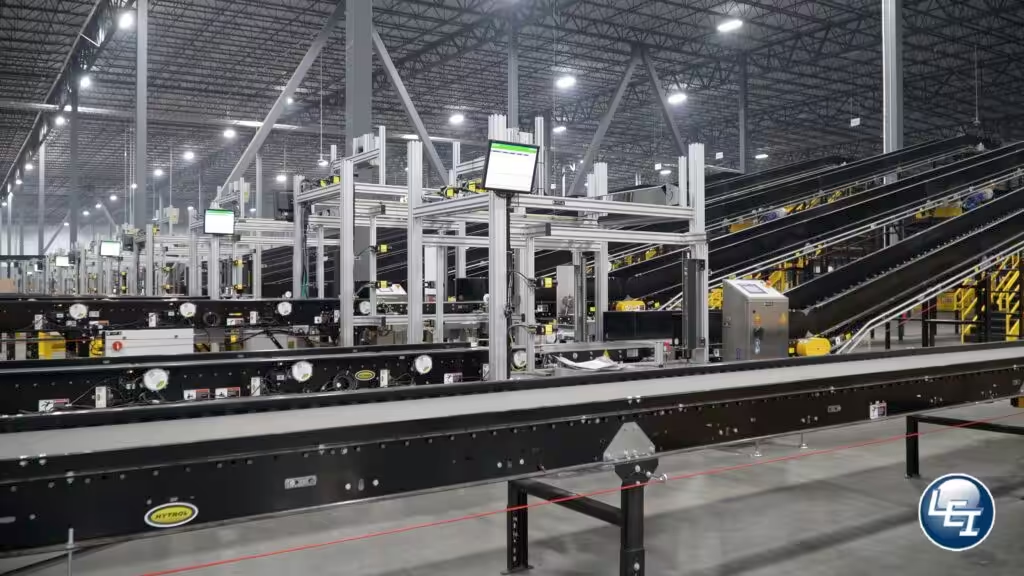
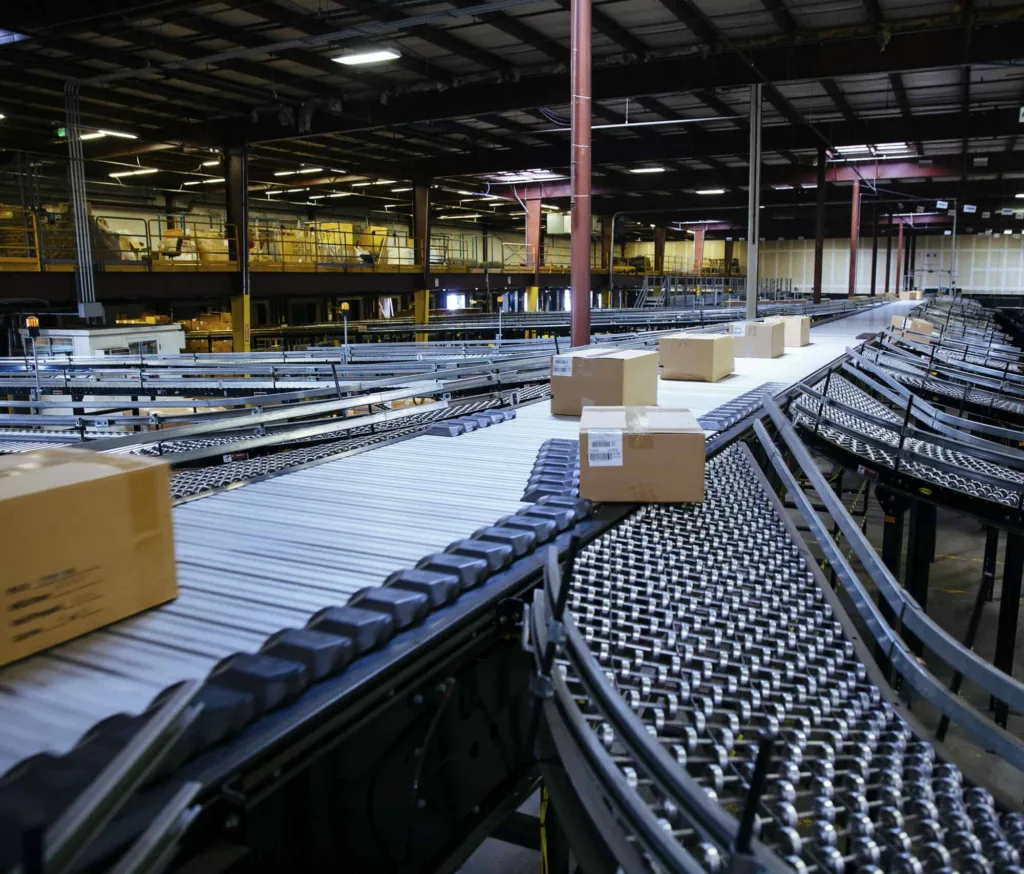
Conveyor systems operate on a straightforward principle: to transport items from one location to another seamlessly. However, the configurations and technologies involved in each system can vary widely. Key components typically include belts, rollers, pulleys, drive units, and support structures, all designed to support different types of loads, environments, and processes.

Conveyor Systems

Types of Conveyor Systems and Their Applications

  1. Belt Conveyors: Widely used in industries, belt conveyors offer a versatile and cost-effective solution for transporting items of varying weights and sizes. At Lafayette Engineering, our belt conveyors are constructed with durable materials that can handle both standard and heavy-duty tasks, suitable for applications ranging from warehouses to manufacturing lines.
  2. Roller Conveyors: Ideal for handling solid items, roller conveyors are common in settings like distribution centers and assembly lines. Our roller conveyor systems are customized to meet specific operational needs, whether they require gravity-driven or powered options for optimal efficiency.
  3. Specialty Conveyors: Overhead, magnetic, and chain conveyors address specialized needs in industries that demand unique handling solutions. Overhead conveyors, for example, maximize floor space, while magnetic systems securely move metal items. Lafayette Engineering’s expertise ensures that each system is designed with the exact needs of our clients in mind.
  4. Modular Conveyors: For flexible operations, modular conveyors allow quick reconfiguration to adapt to changing demands. These systems are invaluable in dynamic environments like e-commerce and logistics, where agility is essential.

Key Considerations in Conveyor System Design

Choosing the right conveyor system goes beyond picking components; it requires a comprehensive understanding of the operational requirements. At Lafayette Engineering, our approach involves a detailed assessment of factors like:

  • Load Size and Weight: Ensuring the conveyor system can handle the dimensions and weight of items.
  • Movement Distance and Flow Rate: Determining the length of transport and speed necessary to meet throughput goals.
  • Space Constraints and Facility Layout: Adapting the system to available space, allowing smooth integration into existing workflows.
  • Safety and Ergonomics: Addressing safety measures and user comfort, particularly in systems with manual interaction.

Why Choose Lafayette Engineering for Conveyor Systems?

With years of expertise, Lafayette Engineering is a trusted name in material handling solutions. Our team provides a full spectrum of services, from initial design and planning to installation, maintenance, and upgrades. We collaborate closely with each client, tailoring conveyor systems that align with their specific requirements, operational goals, and budget.

Whether you’re looking to streamline operations, boost productivity, or reduce workplace risks, Lafayette Engineering has the knowledge and capabilities to deliver a solution that enhances efficiency while minimizing downtime and operational costs. We’re here to guide you through every step, ensuring a seamless transition to a more efficient material handling process.

Background on Lafayette Engineering

Established in 1989 by Bruce and Beth Robbins, Lafayette Engineering has evolved from a modest controls company in Lexington, Kentucky, into a leading provider of industrial conveyor systems. Relocating to Danville, Kentucky, in 1990 to foster a family-oriented business environment, the company has consistently expanded its expertise and services. By 2000, Lafayette Engineering had doubled in size, inaugurating its own Panel Fabrication Shop and Control Cabinet Assembly area.

In 2012, the company moved to a 60,000-square-foot facility, featuring a test loop for pre-installation control testing and product development. The establishment of Southern Conveyor in 2013 and the acquisition of Century Conveyor Systems in 2017 extended their reach across the U.S. In 2022, Lafayette Engineering introduced its first patented product, the Lafayette Magnetic Sortation (LMS) system, marking its entry into manufacturing. With additional locations in Los Angeles, Atlanta, and New Jersey, the company continues to provide comprehensive material handling solutions nationwide.

5 Effective Ways to Save Money in the Material Handling Industry

Material Handling Industry

The material handling industry is constantly evolving, and companies are striving to find new ways to save costs while maintaining efficiency. Whether you are involved in manufacturing, warehousing, or logistics, managing expenses is crucial for a profitable operation. In this blog, we’ll explore five effective ways to save money in the material handling industry, with insights inspired by Plant Services and additional recommendations from Lafayette Engineering.

1. Implement Preventive Maintenance Programs in the Material Handling Industry

One of the most impactful cost-saving strategies is implementing preventive maintenance programs. Regular maintenance on conveyors, automated systems, and other equipment helps to reduce downtime, extend the lifespan of machinery, and prevent unexpected breakdowns. Unplanned downtime not only disrupts production but also results in costly repairs and potential revenue loss.

Why it works: Preventive maintenance identifies potential issues before they escalate into larger, more expensive problems. By scheduling regular checks, lubrication, and parts replacements, businesses can achieve greater system reliability and uptime.

Lafayette Engineering’s Solution: At Lafayette Engineering, we provide comprehensive preventive maintenance services, ensuring that your material handling systems remain operational and efficient. Our expert team conducts routine inspections, thorough diagnostics, and quick repairs to keep your systems running smoothly.

2. Optimize Inventory Management

Inefficient inventory management can lead to increased carrying costs, storage expenses, and wasted resources. Companies should adopt strategies such as real-time tracking, automated inventory systems, and advanced forecasting methods to ensure they only store what’s necessary.

Why it works: Proper inventory optimization reduces the risk of stockouts or overstocking, which directly impacts warehousing costs. Automated systems help improve inventory accuracy, which can lead to improved order fulfillment and better customer satisfaction.

Lafayette Engineering’s Solution: We design and implement cutting-edge inventory management systems that integrate seamlessly with your material handling processes. From automated pick-and-place systems to conveyor integrations, Lafayette Engineering provides technology that streamlines inventory handling.

3. Invest in Energy-Efficient Technologies

Energy costs are a significant expense in material handling operations. By upgrading to energy-efficient machinery and implementing smart energy management practices, companies can significantly reduce their energy bills. Consider investing in energy-efficient motors, variable frequency drives (VFDs), and LED lighting to save money on electricity costs.

Why it works: Energy-efficient technologies often come with lower operating costs and extended service lives. VFDs, for instance, can reduce energy consumption by adjusting motor speeds based on real-time load requirements.

Lafayette Engineering’s Solution: We specialize in retrofitting existing material handling systems with energy-efficient components. Our engineering team evaluates your current setup and suggests upgrades to increase efficiency and reduce costs, all while minimizing disruptions.

4. Implement Automation and Robotics

Automation and robotics have revolutionized material handling operations by increasing productivity, reducing labor costs, and improving safety. Automated guided vehicles (AGVs), robotic arms, and conveyor systems allow businesses to move goods efficiently with minimal human intervention.

Why it works: Automation reduces human error, enhances precision, and increases throughput. While the initial investment might be high, the long-term cost savings from improved productivity and lower labor expenses can be substantial.

Lafayette Engineering’s Solution: We offer tailored automation solutions, from fully integrated conveyor systems to robotic handling applications. Our goal is to provide innovative designs that maximize efficiency and save on operational costs.

5. Train Employees on Best Practices

Well-trained employees are key to an efficient material handling operation. Companies should invest in regular training programs to keep their workforce updated on the latest technologies, safety protocols, and operational best practices.

Why it works: A trained workforce not only reduces the risk of workplace accidents but also ensures optimal equipment handling, leading to lower maintenance costs and improved system longevity.

Lafayette Engineering’s Solution: We provide specialized training programs for our clients’ staff, covering best practices in material handling, safety protocols, and the efficient use of systems. Our team works closely with your workforce to ensure they are confident in operating the equipment.

Why Choose Lafayette Engineering?

At Lafayette Engineering, we are dedicated to providing cost-effective and reliable solutions tailored to your unique needs. We work closely with our clients to design, implement, and maintain advanced material handling systems that drive efficiency and reduce costs. From automated systems and inventory management solutions to preventive maintenance and training, we offer end-to-end services that elevate your operations.

Material Handling Industry

Our Commitment to Efficiency

Lafayette Engineering prides itself on delivering innovative solutions that help businesses thrive in the competitive material handling industry. We are committed to using the latest technologies and engineering practices to create systems that save money, reduce energy consumption, and increase overall productivity.

Connect with Us: Ready to improve your material handling systems and save on operational costs? Contact Lafayette Engineering today for a consultation. Visit our website or connect with us on LinkedIn.


By implementing these five effective strategies, companies in the material handling industry can significantly save costs while improving their overall operational efficiency. Lafayette Engineering is here to support you in every step of the process, offering expert guidance and state-of-the-art solutions that help you achieve your goals.

Do I Need Cross-Docking for My Warehouse? A Comprehensive Guide

Cross-docking has emerged as an innovative solution to streamline logistics and enhance supply chain efficiency, particularly for businesses managing warehouses. But with any logistics strategy, a central question arises: “Do I need cross-docking for my warehouse?” In this guide, we will explore what cross-docking is, the benefits and challenges it presents, and how to determine whether it’s the right fit for your operation.

Cross-Docking

What is Cross-Docking?

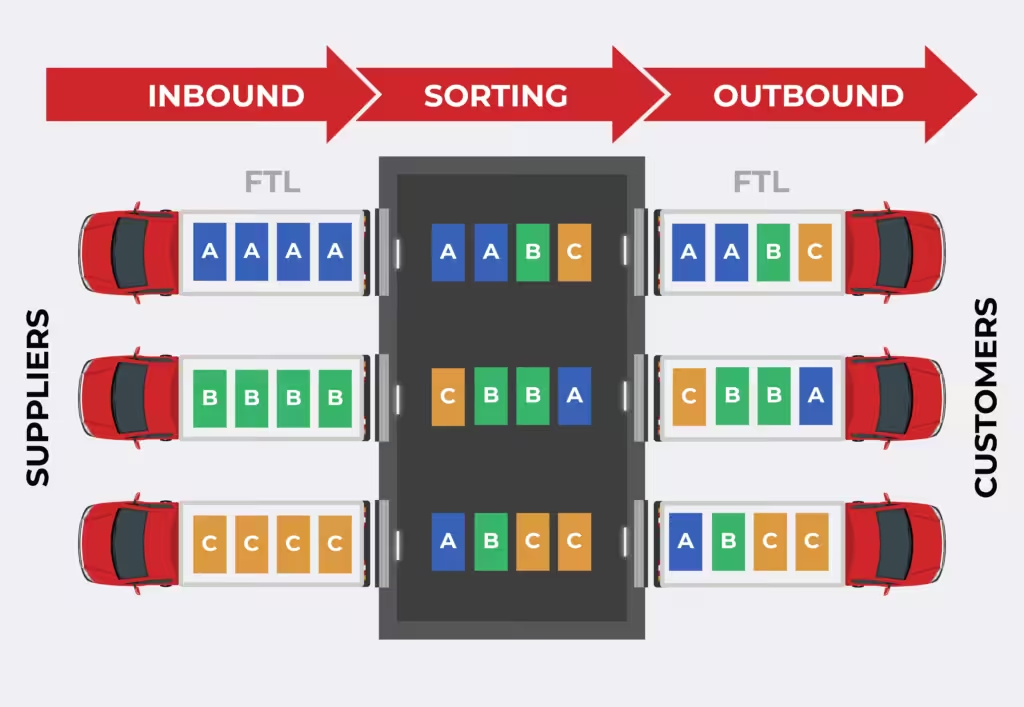
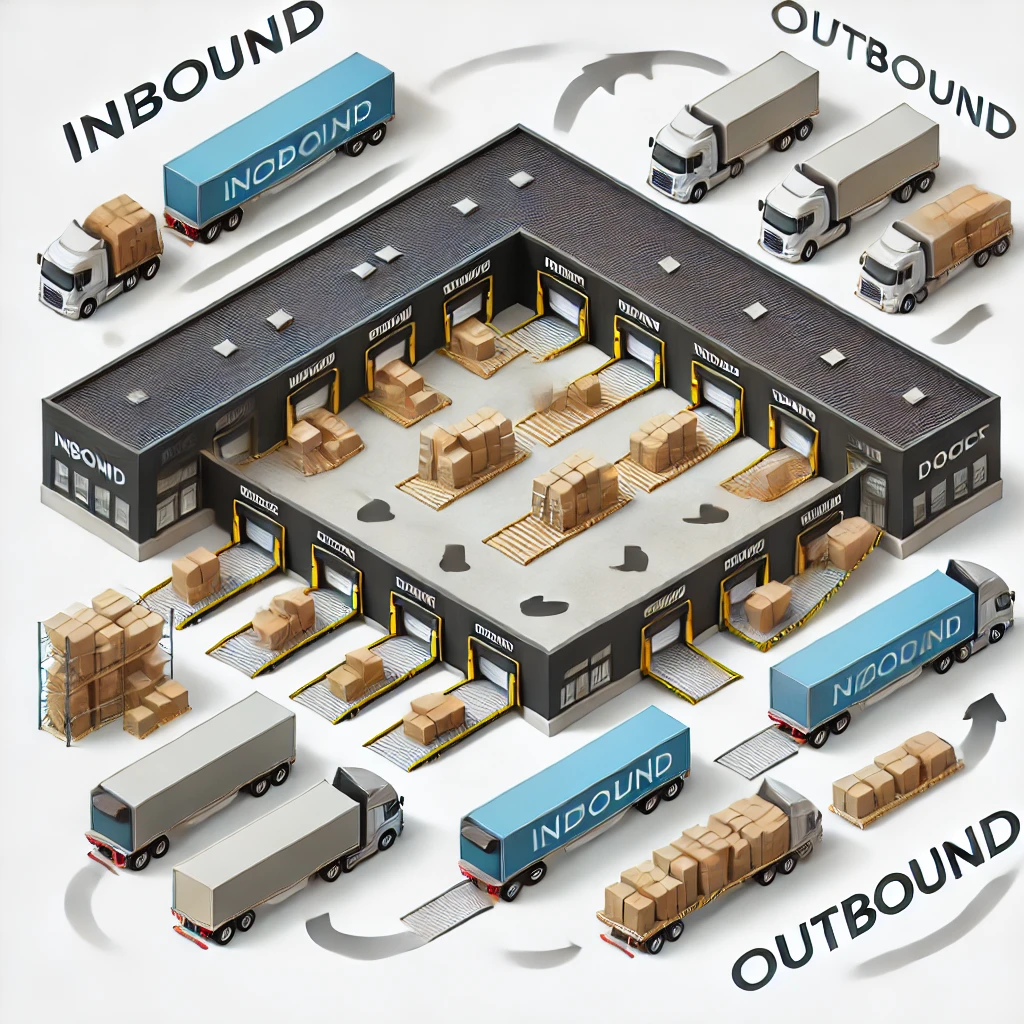
Cross-docking is a supply chain process where goods are unloaded from inbound trucks or railcars directly onto outbound vehicles with little to no storage in between. Unlike traditional warehousing, where products are stored for extended periods, it aims to minimize handling and storage time, leading to faster delivery.

Essentially, goods arrive at a distribution center or warehouse, are sorted based on their end destinations, and immediately transferred to outbound trucks, cutting out the need for inventory storage. It’s an appealing option for businesses looking to reduce warehousing costs and increase delivery speeds.

The Types of Cross-Docking

Before diving into whether its suitable for your warehouse, it’s essential to understand the various types of cross-docking processes:

  1. Manufacturing: This involves receiving inbound raw materials and parts, which are then grouped and sent directly to the manufacturing site. This method minimizes storage costs for materials and accelerates the production cycle.
  2. Distributor: Here, inbound goods are consolidated from multiple suppliers and then sorted and grouped for delivery to multiple customers. It’s common in retail, where various products from different suppliers are delivered to stores in one shipment.
  3. Retail: Retailers may use this type to quickly distribute goods to stores, reducing the need for warehousing and enabling rapid response to customer demand.
  4. Transportation: Large shipments are broken down into smaller ones, making it easier to deliver goods across a broader geographical area.
  5. Opportunistic: Used when goods are received and immediately required by a customer or production facility, skipping storage entirely.

Benefits of Cross-Docking

Cross-docking offers a wide array of benefits, but these advantages will only apply depending on the nature of your operations. If implemented correctly, here’s what your warehouse could gain:

  1. Reduced Warehousing Costs: By reducing the need for storage space, it minimizes warehousing overheads like inventory management, security, and utilities. Your business can focus on what it does best, rather than managing inventory.
  2. Faster Delivery Times: Eliminates the storage phase, speeding up the time it takes for goods to get from supplier to customer. Faster delivery leads to better customer satisfaction and potentially increased sales.
  3. Improved Inventory Management: With fewer goods stored for long periods, there’s less risk of inventory obsolescence, damage, or shrinkage. Businesses that deal with perishable or time-sensitive goods benefit greatly from this.
  4. Lower Transportation Costs: Allows for more efficient use of transportation resources. By consolidating shipments, businesses can reduce the number of trips required, leading to lower fuel costs and less environmental impact.
  5. Streamlined Supply Chain: Simplifies the supply chain by reducing steps in the process, minimizing errors and complications. This can lead to a more responsive, flexible supply chain.

Challenges

Despite its numerous benefits, cross-docking is not without challenges. Businesses need to weigh the pros and cons before making the leap.

  1. High Initial Investment: Implementing can require significant upfront investment in new infrastructure, technology, and staff training. For small or medium-sized businesses, this initial cost might be a barrier.
  2. Complex Coordination: Requires precise coordination between suppliers, warehouse staff, and transportation providers. If one link in the chain fails, it could result in delays and increased costs.
  3. Limited Suitability: Not all products are suited. Perishable goods, high-demand items, or products that require minimal handling are ideal candidates, but other items may require longer-term storage. Businesses with a diverse product mix might struggle to fully adopt.
  4. Reliance on Technology: Relies heavily on advanced inventory management systems and real-time data to ensure smooth operations. For warehouses without robust technological infrastructure, the transition can be difficult.

Do You Need Cross-Docking for Your Warehouse?

Deciding whether cross-docking is right for your warehouse depends on several key factors. Answer the following questions to determine if this aligns with your needs:

  1. Do you deal with perishable or time-sensitive goods? If your business manages items with a short shelf life or requires fast delivery times, could be highly beneficial. It ensures rapid movement from supplier to customer without wasting time in storage.
  2. Are you facing high warehousing costs? If a significant portion of your operating budget is going toward warehousing, cross-docking can reduce these expenses by cutting the need for long-term storage.
  3. Do you have reliable suppliers and transportation partners? Requires efficient coordination between suppliers, warehouse personnel, and transportation providers. Without reliable partners, implementing cross-docking could cause more headaches than it solves.
  4. Is your current supply chain experiencing delays? If bottlenecks in your supply chain are causing delays in product delivery, cross-docking can streamline operations by minimizing handling and storage time.
  5. Can your warehouse handle complex operations? Demands precision and efficiency. If your current warehouse struggles with basic logistics, investing in infrastructure might not yield immediate returns.
  6. Do you have the right technology? Successful implementations depends on real-time data and efficient management systems. If your warehouse is already equipped with advanced technology, adopting may be a smooth transition. If not, the cost of upgrading systems should be factored in.

Frequently Asked Questions About Cross-Docking

Q: What industries benefit the most?
A: Retail, manufacturing, and the food and beverage industries commonly use this. However, any business dealing with perishable goods or requiring fast delivery could benefit.

Q: Can cross-docking be used for all products?
A: No, best suited for perishable goods, high-demand items, and products requiring minimal handling. Products needing special storage conditions or long-term warehousing may not be ideal for cross-docking.

Q: How much does cross-docking cost to implement?
A: The cost depends on factors like the size of your warehouse, the technology required, and the scale of your operations. Initial setup can be costly, but long-term savings are possible through reduced warehousing and transportation costs.

Q: Does cross-docking require specialized technology?
A: Yes, it typically requires advanced inventory management systems and real-time tracking technology to ensure efficient operations. Warehouses must invest in these systems for cross-docking to be effective.

Conclusion

Cross-docking can be a game-changer for warehouses looking to streamline their operations and reduce costs. By minimizing storage time and accelerating product delivery, it offers significant benefits to businesses that require fast, efficient supply chains. However, not every warehouse is suited for cross-docking. It requires careful consideration of product types, supply chain reliability, and technological infrastructure.

If you’re considering this for your warehouse, Lafayette Engineering can help you assess your needs and determine the best solution for your operation. Our expertise in material handling solutions allows us to guide you through the process of integrating cross-docking into your supply chain efficiently and effectively. Contact us today to learn more about how we can help you optimize your warehouse operations.

For more information, visit Lafayette Engineering or connect with us on LinkedIn.

What is a Conveyor System?

Lafayette Engineering

Conveyor systems are essential to modern industries, revolutionizing how materials are transported across manufacturing, warehousing, and distribution centers. This blog explores what conveyor systems are, their components, types, benefits, and the various ways they impact industries. If you’re considering a system, Lafayette Engineering is here to guide you through finding the best solution tailored to your needs.


Conveyor Systems

Understanding Conveyor Systems

A conveyor system is a mechanical setup that moves materials from one location to another within a facility. Conveyor systems use a variety of mechanisms, such as belts, rollers, chains, or motorized components, to transport items efficiently across spaces. These systems help reduce manual labor, minimize product damage, and increase productivity by maintaining a consistent flow of materials.

Components of a Conveyor System

  1. Conveyor Belt: The belt is typically the main component of a conveyor system, providing a continuous surface for items to rest on as they move. Belts can be made from materials like rubber, fabric, metal, or plastic, depending on the intended application.
  2. Rollers and Wheels: Many conveyor systems use rollers or wheels that allow for smooth, low-friction movement. These components are essential in gravity-based conveyor systems and are often spaced strategically to support the weight and size of the products.
  3. Motor: Motors drive the movement of the conveyor. Depending on the design, some conveyors may use one or more motors to achieve different speeds or accommodate various load capacities.
  4. Pulleys: Pulleys help redirect the conveyor belt or chain and often assist with adjusting tension. They are crucial in belt-driven systems, helping maintain smooth operation and preventing wear on the belt.
  5. Frame: The frame or structure supports all other components of the conveyor system. It must be sturdy enough to hold the weight of the materials transported while allowing access for maintenance.
  6. Control System: Advanced conveyor systems include computerized control systems to monitor speed, adjust belt movement, and track items along the route.

Types of Conveyors

There are several types of conveyor systems, each designed for specific needs:

  1. Belt Conveyor Systems:
  • The most commonly used type, ideal for transporting items over long distances.
  • Great for handling a wide range of materials, including bulk, small, or irregularly shaped items.
  1. Roller Conveyor Systems:
  • These conveyors use rollers set within the frame, ideal for heavy loads or irregularly shaped products.
  • Rollers can be powered or gravity-driven, making them versatile for various applications.
  1. Chain Conveyor Systems:
  • Suitable for transporting heavy materials, such as pallets, containers, and industrial products.
  • Chains provide greater strength and durability, ideal for high-torque applications.
  1. Slat Conveyors:
  • Comprised of slats (usually metal) attached to chains.
  • Commonly used in heavy-duty industrial applications and can carry loads through complex routes.
  1. Magnetic Conveyor Systems:
  • These utilize magnets under a conveyor belt or track to move magnetic materials like metal sheets.
  • Often used in the automotive and manufacturing industries for handling metal parts.
  1. Vertical Conveyors:
  • These systems transport items vertically from one level to another.
  • Vertical conveyors save floor space and are useful for facilities with limited space but significant height.
  1. Overhead Conveyor Systems:
  • Often used in assembly lines or paint shops, these conveyors hang from the ceiling.
  • Effective for freeing up floor space and improving workflow in factories.
  1. Pneumatic Conveyors:
  • These systems use pressurized air to move items or materials through tubes.
  • Ideal for transporting small or granular materials like grains or powders.

Benefits

The use of these systems brings a range of advantages to industries, from increased productivity to improved safety:

  1. Enhanced Efficiency:
  • Conveyorss can operate continuously, reducing downtime and allowing for faster movement of materials. This leads to increased productivity and more streamlined operations.
  1. Reduced Manual Labor:
  • With automation, conveyor systems significantly cut down the need for manual material handling, leading to lower labor costs and less physical strain on employees.
  1. Improved Safety:
  • Conveyors help reduce the risk of workplace injuries by minimizing the need for employees to manually carry heavy or awkward items. Automated conveyors also allow employees to work from a safer distance.
  1. Consistent Quality Control:
  • Conveyor systems support a smooth, steady flow of products, leading to fewer damages and ensuring uniform product quality across the manufacturing or assembly process.
  1. Scalability:
  • As businesses grow, conveyor systems can often be scaled up to accommodate higher volumes. This adaptability is valuable for growing businesses that need to expand production capacity over time.
  1. Space Optimization:
  • Conveyor systems can be designed to fit the specific layout of a facility, often making use of vertical or overhead space to save valuable floor area.

Applications

Conveyor systems are used across various industries, from manufacturing to warehousing, and even retail:

  1. Manufacturing:
  • In manufacturing facilities, conveyors transport raw materials, assemble parts, and handle finished products. They help streamline production lines and minimize handling time.
  1. Warehousing and Distribution:
  • Warehouses use conveyors to move goods from receiving areas to storage, picking areas, and shipping. This automation helps reduce order processing time and increases order accuracy.
  1. Mining and Heavy Industry:
  • Conveyor systems are essential for transporting large volumes of materials, such as coal, rocks, or minerals, over long distances. These conveyors must withstand extreme conditions and heavy loads.
  1. Food and Beverage:
  • In the food industry, conveyors are used to handle ingredients, move products through cooking or cooling processes, and sort items for packaging. They are designed with materials that meet health and safety standards.
  1. Automotive:
  • Automotive plants use conveyor systems to transport car parts and assemblies throughout production lines. Overhead conveyors are especially useful for freeing up workspace on the factory floor.

Choosing the Right System

Selecting the right system depends on various factors, such as the type of materials to be transported, the facility’s layout, and the level of automation needed. Here are some considerations to keep in mind:

  • Material Type: Consider the size, weight, and shape of the materials you plan to move. For example, heavy-duty chain conveyors are ideal for bulky items, while pneumatic conveyors are better for lightweight powders or grains.
  • Flow Requirements: Determine the speed and direction of movement needed to optimize workflow. Automated control systems can help manage flow and reduce bottlenecks.
  • Space Constraints: Assess the layout of your facility and choose conveyors that maximize floor space. Overhead or vertical conveyors may be ideal for facilities with limited floor area but ample height.
  • Maintenance Needs: Consider the ease of maintenance. Systems with accessible components and reliable control systems tend to have less downtime and longer lifespans.

Conclusion

Conveyor systems are integral to efficient material handling across various industries, from manufacturing to warehousing. By reducing manual labor, increasing productivity, and improving safety, systems have become indispensable. Choosing the right system depends on your unique requirements, and working with experts like Lafayette Engineering ensures you find a solution tailored to your operational needs.

If you’re ready to take the next step in automating your facility’s material handling, contact Lafayette Engineering to discover the best conveyor systems for your business.

Frequently Asked Questions (FAQ) About Cross-Docking

Cross-docking is a logistics strategy where products are unloaded from inbound trucks or containers and transferred directly to outbound transportation with minimal or no storage in between. This method significantly reduces the time goods spend in a warehouse, improving efficiency and reducing costs.

cross-docking

How does Cross-Docking differ from Traditional Warehousing?

In traditional warehousing, goods are stored for extended periods before being distributed. Cross-docking eliminates long-term storage by moving products directly from receiving to shipping, often within hours. This approach minimizes handling, reduces warehousing costs, and speeds up the delivery process. Learn more about the differences here.

What are the main benefits of Cross-Docking?

  • Reduced storage costs: Since products spend little time in storage, companies save on warehousing and inventory management expenses.
  • Faster delivery: Cross-docking streamlines the transfer process, allowing goods to move quickly from suppliers to customers.
  • Improved product quality: Perishable and time-sensitive items benefit from reduced handling and faster shipping times, improving overall product quality.

How does Cross-Docking improve supply chain efficiency?

Cross-docking reduces the number of touchpoints goods experience throughout the supply chain. With fewer stops between the supplier and customer, businesses can lower the risk of errors, damages, and delays. It also allows for faster order fulfillment, reducing lead times and improving overall efficiency.

What industries benefit most from Cross-Docking?

Industries such as retail, e-commerce, food and beverage, and manufacturing benefit the most from cross-docking. Businesses that handle high-demand, perishable, or time-sensitive products can significantly improve their operations with a cross-docking approach.

What are the different types of Cross-Docking?

  • Retail Cross-Docking: Products are sorted and redistributed to stores or customers.
  • Manufacturing Cross-Docking: Components are transferred directly to the production line for assembly.
  • Transport Cross-Docking: Shipments from multiple vendors are consolidated into fewer outbound deliveries, improving efficiency and reducing transport costs.

For more information on cross-docking types, visit this article.

What types of products are best suited for Cross-Docking?

Cross-docking is ideal for high-demand products, perishable goods, and items that require just-in-time (JIT) delivery. It also works well for products that are pre-packaged and ready to be shipped upon arrival, minimizing handling requirements.

Can Cross-Docking be integrated into existing warehouse operations?

Yes, cross-docking can be integrated into existing operations, but it may require adjustments to warehouse layouts, processes, and technology. Lafayette Engineering can help design customized solutions that fit your current setup while improving efficiency.

What equipment is necessary for Cross-Docking?

Cross-docking can be carried out using standard warehouse equipment like pallet jacks and forklifts. However, automated conveyor systems, sorting machines, and real-time tracking technologies can significantly boost efficiency and ensure accurate transfers between inbound and outbound docks.

Is Cross-Docking expensive to implement?

The cost of implementing cross-docking depends on the level of automation, size of the facility, and complexity of the supply chain. However, the savings from reduced warehousing costs, faster delivery times, and improved efficiency typically outweigh the initial investment. Lafayette Engineering can provide a customized quote based on your business needs.

How does Cross-Docking enhance customer satisfaction?

By reducing delivery times and ensuring products arrive in optimal condition, cross-docking helps businesses fulfill customer orders more quickly and accurately, leading to higher customer satisfaction. This can be especially crucial for industries where timely delivery and product quality are key differentiators.

What are the challenges of Cross-Docking?

Implementing cross-docking requires careful coordination across suppliers, warehouse teams, and transportation providers. Businesses need to manage timing, inventory visibility, and order fulfillment with precision. Additionally, transitioning from traditional warehousing to cross-docking can involve changes to warehouse layouts and processes.

Is Cross-Docking suitable for small businesses?

Yes, cross-docking can be scaled to fit the needs of small businesses. Small operations with fast-moving products or perishable goods can greatly benefit from the cost savings and efficiency improvements offered by cross-docking.

How does technology impact Cross-Docking?

Technology plays a critical role in cross-docking, particularly in tracking inventory in real-time and ensuring efficient transfers between docks. Automated sorting systems, barcoding, and warehouse management software can make cross-docking more efficient and reliable.

How can Lafayette Engineering assist with Cross-Docking?

Lafayette Engineering specializes in designing and implementing customized cross-docking systems. Whether you need assistance optimizing your warehouse layout, improving conveyor systems, or integrating the latest technology, we have the expertise to enhance your cross-docking operations.

Visit our Cross-Docking page for more information or contact us to learn how we can support your business.

5 Key Benefits of Cross Docking for Modern Warehousing

Cross docking has become a vital strategy in logistics and warehouse management, helping businesses streamline operations and reduce costs. For companies looking to minimize storage time, improve efficiency, and meet growing consumer demands, this can be a game changer. At Lafayette Engineering, we specialize in providing tailored material handling solutions, including optimizing systems for businesses of all sizes.

cross docking

What is Cross Docking?

Cross docking is a warehousing strategy where products are received at an inbound dock and immediately transferred to an outbound dock for distribution, bypassing long-term storage. This approach is particularly effective for businesses that need to move goods quickly, such as perishable products or high-demand retail items. Instead of storing items in a warehouse for an extended period, goods are moved directly from the receiving dock to shipping, often within hours.

By eliminating the need for storage, cross docking reduces handling time, lowers warehousing costs, and accelerates delivery timelines. While the concept seems straightforward, implementing an effective system requires a high level of coordination, technology integration, and optimized facility layouts.

Types of Cross Docking

Its not a one-size-fits-all approach. It can be customized based on a business’s unique needs. Here are a few common types:

  1. Retail: Products are delivered to a retailer’s warehouse, where they are sorted and repacked before being sent directly to the store or consumer.
  2. Manufacturing: Components needed for production are received and sent directly to the production line without intermediate storage.
  3. Distributor: Products from various suppliers are consolidated at a single facility and shipped out together, reducing the number of shipments and costs.
  4. Transport: This process involves consolidating shipments from multiple vendors into fewer outbound deliveries, improving efficiency and lowering transport costs.

The Benefits

1. Reduced Warehousing Costs

One of the most immediate benefits is cost reduction. Since products spend little to no time in storage, businesses can minimize the need for large warehouse facilities. This also reduces the costs associated with inventory management, such as handling, labor, and rent for storage space.

2. Faster Delivery Times

It enables businesses to significantly speed up the delivery process. Goods are transferred quickly from inbound to outbound docks, eliminating the delays associated with traditional warehousing. This is especially beneficial for industries with high turnover products or those that rely on just-in-time (JIT) delivery models.

3. Improved Product Quality

For products sensitive to storage conditions, such as perishables, cross docking can help maintain higher quality by reducing the time spent in storage. By moving these goods quickly through the supply chain, businesses can ensure they reach customers in optimal condition, reducing spoilage or damage risks.

4. Increased Supply Chain Efficiency

This service streamlines the entire supply chain by reducing the steps involved in handling goods. With fewer touchpoints, there’s less chance for errors, damages, or delays, allowing businesses to operate more efficiently. Additionally, cross docking helps consolidate shipments, meaning fewer trucks are required for transport, leading to better fuel efficiency and lower transportation costs.

5. Enhanced Inventory Management

Traditional warehousing often involves managing large quantities of stored goods, increasing the risk of excess inventory or stock shortages. It enables businesses to operate with a more agile inventory management system, moving products as needed and reducing the need for excessive stockpiling. This leads to fewer markdowns and a reduced risk of obsolescence.

How Lafayette Engineering Supports Cross Docking Solutions

At Lafayette Engineering, we understand that each business has unique requirements when it comes to logistics and material handling. Our expert team designs and implements custom systems tailored to your specific needs. Whether you’re looking to optimize your warehouse layout, upgrade your conveyor systems, or integrate new technologies, we are here to help you enhance your cross docking operations.

Our services include:

  • Conveyor System Design: We specialize in designing conveyor systems that efficiently move products from receiving to shipping with minimal handling, ensuring a smooth cross docking process.
  • Automated Sorting Solutions: Lafayette Engineering can integrate automated sorting systems that streamline product sorting and distribution, increasing speed and reducing labor costs.
  • Material Handling Equipment: From pallet jacks to forklifts, we provide a wide range of material handling solutions to complement your cross docking operations, improving productivity and safety.
  • Technology Integration: Leveraging advanced software and hardware solutions, Lafayette Engineering helps businesses implement real-time tracking and inventory management systems that enhance the efficiency and accuracy of cross docking.

Frequently Asked Questions (FAQs)

What industries benefit most?

Industries such as retail, e-commerce, manufacturing, and food and beverage often benefit the most from cross docking due to the fast-paced nature of their supply chains and the need for rapid product turnover.

Can cross docking be implemented in small businesses?

Yes, cross docking can be scaled to fit the needs of both large and small businesses. The key is designing a system that fits your specific operational needs, which Lafayette Engineering can help with.

How does cross docking improve customer satisfaction?

By reducing delivery times and ensuring products arrive in optimal condition, cross docking allows businesses to meet customer demands more effectively, leading to higher satisfaction levels.

Does cross docking require specialized equipment?

While basic cross docking can be performed with standard warehouse equipment, implementing automated sorting systems, conveyor belts, and real-time tracking technology can significantly improve efficiency.

What is the cost of implementing?

The cost varies based on the size of the facility, the complexity of the system, and the level of automation. Lafayette Engineering can provide a customized quote based on your specific requirements.

Conclusion

Cross docking offers immense benefits for businesses looking to streamline their supply chains and reduce costs. By minimizing the need for storage and enhancing the speed of product movement, helps businesses operate more efficiently and meet customer expectations. At Lafayette Engineering, we are committed to helping businesses optimize their systems with tailored material handling solutions. Contact us today to learn how we can improve your operations.

For more information about how Lafayette Engineering can support your needs, visit our website or connect with us on LinkedIn.

Unleashing the Power of Warehouse Automation with Lafayette Engineering

Material Handling Industry

One of the most transformative advancements in this space is warehouse automation—a solution that optimizes material handling, minimizes human error, and significantly boosts productivity. Lafayette Engineering, a leader in this field, provides cutting-edge automation systems that streamline warehouse operations and improve overall efficiency.

Warehouse Automation

The Role of Warehouse Automation

Warehouse automation refers to the use of technology to automate repetitive tasks, such as transporting, sorting, and managing inventory. With automation, warehouses can operate more efficiently, handling higher volumes with greater precision. By leveraging automated conveyor systems, robotics, and warehouse control systems, businesses can reduce labor costs, improve accuracy, and increase throughput.

Lafayette Engineering excels in designing custom automation systems tailored to the specific needs of each warehouse. From conveyor system installation to advanced sortation solutions, we provide end-to-end services that integrate seamlessly into your existing workflow.

Key Benefits of Warehouse Automation

1. Increased Efficiency

Automated systems drastically reduce the time taken to move goods within a warehouse. Traditional manual methods often lead to bottlenecks, but automated conveyor systems ensure a continuous flow of goods, optimizing operational speed.

2. Cost Savings

Automation reduces reliance on manual labor, which leads to lower operating costs. Automated systems can work around the clock, and with advanced warehouse control systems (WCS), tasks like inventory management and sorting can be done without the need for large workforces【9†source】.

3. Improved Accuracy

Human errors, especially in large-scale operations, can lead to costly mistakes. Automated systems use sensors and software to ensure that tasks are performed with precision, whether it’s sorting items or tracking inventory levels【8†source】.

4. Enhanced Scalability

As businesses grow, so do their operational needs. Warehouse automation systems are scalable, allowing for easy expansion as the volume of operations increases. Lafayette Engineering designs systems that can adapt to your growing needs, ensuring that you’re always equipped for future demand【7†source】.

5. Better Space Utilization

Automated systems require less space than manual operations, enabling warehouses to use their floor space more effectively. Systems such as vertical storage solutions or compact sorting conveyors allow you to optimize every inch of your facility【8†source】.

6. Increased Safety

Warehouse automation reduces the need for human workers to engage in potentially dangerous tasks, such as moving heavy goods. Automated systems minimize the risk of workplace injuries, ensuring a safer environment for employees【9†source】.

7. Data-Driven Insights

With automation comes the ability to track and analyze performance data in real time. Warehouse control systems can provide insights into productivity, equipment performance, and operational bottlenecks, helping businesses make informed decisions【9†source】.

Lafayette Engineering’s Warehouse Automation Solutions

Lafayette Engineering is at the forefront of warehouse automation technology. We specialize in the design and installation of custom automation solutions that transform the way warehouses operate. Our Conveyor Works software integrates with your existing systems to manage and optimize workflows, while our conveyor systems handle the physical movement of goods with speed and accuracy.

1. Custom Conveyor Systems

Lafayette Engineering designs and installs conveyor systems that meet the unique needs of each warehouse. Whether it’s a high-speed sortation system or a compact conveyor for small items, our solutions are built to optimize your operations【8†source】.

2. Sortation Systems

For businesses handling large volumes of goods, our sortation systems ensure that products are sorted quickly and accurately. These systems are particularly useful for e-commerce, retail, and distribution centers, where the efficient movement of goods is critical【9†source】.

3. Warehouse Control Systems

Our warehouse control systems (WCS) act as the brain behind your warehouse operations, managing conveyors, sorters, and inventory in real-time. With WCS, you can track performance, monitor system status, and gain valuable insights into your operational efficiency【9†source】.

4. End-to-End Project Management

From initial consultation to final installation, Lafayette Engineering provides full project management to ensure seamless execution. Our team of experts works closely with clients to understand their specific needs and challenges, delivering solutions that maximize efficiency and ROI.

Frequently Asked Questions (FAQ)

What is warehouse automation?

Warehouse automation involves using technology to perform tasks that were previously done manually, such as moving, sorting, and tracking goods. It reduces human error, increases efficiency, and improves overall warehouse productivity.

How does Lafayette Engineering help with warehouse automation?

Lafayette Engineering provides custom automation solutions tailored to the specific needs of your warehouse. Our services include designing and installing conveyor systems, sortation systems, and implementing warehouse control systems that optimize workflows and improve efficiency.

What are the main benefits of warehouse automation?

The main benefits include increased efficiency, cost savings, improved accuracy, better scalability, enhanced safety, and the ability to gather real-time data for performance analysis.

How do warehouse control systems work?

A warehouse control system (WCS) is software that directs the real-time activities in a warehouse. It acts as a central hub for managing equipment such as conveyors, sorters, and inventory systems, ensuring that everything operates smoothly and efficiently【9†source】.

Is warehouse automation suitable for small businesses?

Yes, warehouse automation solutions can be scaled to fit businesses of all sizes. Small businesses can start with basic automation systems, such as conveyors or sortation systems, and expand as their operations grow.

How can I get started with automation for my warehouse?

You can get started by contacting Lafayette Engineering for a consultation. We’ll assess your current operations and design a custom automation solution that fits your needs and budget.


For more information on how Lafayette Engineering can revolutionize your warehouse operations with automation, contact us today. Let’s take your warehouse to the next level of efficiency and productivity.

Follow us on Linkedin.

FAQ: What is a Sortation System?

automated sortation systems

Choosing the right sortation conveyor system can be a complex decision, especially with so many options available. Whether you’re upgrading an existing system or installing one for the first time, it’s essential to understand how these automated solutions can enhance your warehouse’s efficiency, accuracy, and overall performance. To help you make an informed decision, we’ve compiled answers to some of the most frequently asked questions about sortation conveyors. From types of systems to key benefits and maintenance, this FAQ will guide you through everything you need to know.

Automatic Sortation

1. What is a sortation conveyor system?

A sortation conveyor system is an automated solution used to identify, track, and direct products or packages to specific locations within a warehouse or distribution center. These systems utilize technology like barcodes, RFID, or sensors to route products based on their destination, helping to streamline the sorting process and reduce manual labor.

2. What are the benefits of using a sortation conveyor system?

The primary benefits of a sortation conveyor system include:
Increased efficiency: Faster movement and sorting of products through your facility.
Improved accuracy: Automated identification and routing minimize human errors.
Cost savings: Reduced labor costs and enhanced productivity over time.
Scalability: Systems can be expanded to meet growing business needs.
Enhanced customer satisfaction: Faster, more accurate order fulfillment leads to better service.

3. What types of sortation conveyors are available?

The most common types of sortation conveyors include:
Sliding Shoe Sorters: High-speed, accurate sorting for diverse products.
Tilt Tray Sorters: Ideal for handling a wide range of product sizes with gentle handling.
Cross-Belt Sorters: Accurate sorting for irregularly shaped items, perfect for e-commerce.
Pop-Up Wheel Sorters: A compact, cost-effective solution for lower-volume operations.

4. How do I know which sortation system is right for my operation?

Choosing the right system depends on several factors:
Throughput: How many items you need to sort per hour.
Product variety: The size, weight, and shape of the products.
Available space: Some systems require more room than others.
Budget: The upfront cost vs. long-term savings and benefits.
Growth potential: Choose a system that can scale as your business grows.

5. What industries use sortation conveyors?

Sortation conveyors are widely used in industries such as:
E-commerce and retail: For high-volume order fulfillment and quick delivery.
Logistics and distribution: To manage large quantities of goods for shipping and storage.
Manufacturing: For directing materials and products to different stages of production.
Postal and parcel services: To efficiently sort and direct packages to their correct destinations.

6. Can sortation conveyors handle fragile items?

Yes, many sortation systems, such as tilt tray and cross-belt sorters, are designed to handle delicate or fragile items. These systems gently route products to their destination without damaging them, making them suitable for handling electronics, glassware, or other sensitive goods.

7. How fast can a sortation conveyor system sort products?

The speed of a sortation system varies based on the type of system and the product being sorted. For example, sliding shoe sorters can sort products at speeds of 150 to 450 feet per minute, making them ideal for high-volume operations. Cross-belt sorters and tilt tray sorters offer slightly slower speeds but excel in accuracy and versatility.

8. How much space is needed for a sortation conveyor system?

Space requirements vary depending on the type of sortation system you choose. For example, tilt tray sorters typically require more space due to their continuous loop design, while pop-up wheel sorters are more compact and suited for facilities with limited room.

9. What is the cost of installing a sortation conveyor system?

The cost of installing a sortation conveyor system can vary widely based on the system’s complexity, size, and specific requirements. High-capacity systems like sliding shoe or cross-belt sorters tend to have higher initial costs due to their advanced technology and capacity. However, the long-term benefits, including labor savings, improved efficiency, and scalability, often outweigh the initial investment.

10. Can a sortation conveyor system be customized?

Yes, sortation conveyor systems can be tailored to meet the specific needs of your facility. Customization options include the type of sortation system, the number of sorting lanes, product handling capabilities, and integration with other warehouse management systems (WMS) or warehouse control systems (WCS).

11. What kind of maintenance do sortation conveyor systems require?

Like any mechanical system, sortation conveyors require regular maintenance to ensure optimal performance. Preventive maintenance schedules typically include cleaning, lubricating, inspecting mechanical components, and updating control systems. Regular maintenance helps prevent breakdowns and extends the lifespan of the system.

12. How do sortation conveyors integrate with warehouse management systems (WMS)?

Sortation conveyor systems can be integrated with warehouse management systems (WMS) or warehouse control systems (WCS) to automate the sorting process fully. The WMS identifies the product and directs it to the correct destination via the sortation conveyor. This real-time data exchange improves accuracy and operational efficiency.

13. Can sortation systems handle different-sized products?

Yes, many sortation systems are designed to handle a wide range of product sizes, shapes, and weights. Systems like sliding shoe, cross-belt, and tilt tray sorters are particularly versatile and can manage everything from small parcels to larger packages.

Sortation conveyor systems are essential for optimizing the flow of products in modern warehouses and distribution centers. By answering the most common questions, we hope this FAQ section has provided clarity on the benefits, types, and factors to consider when choosing the right sortation system for your operation. If you still have questions or are ready to take the next step, our team at Lafayette Engineering is here to help you implement the best solution tailored to your needs. Reach out today for expert guidance!

Follow us on Linkedin!

Unlock Peak Efficiency: Discover the Power of Sortation Conveyors for Your Operations

Sortation conveyors are highly versatile and tailored to meet the needs of modern businesses that handle high volumes of goods. In today’s fast-paced world of e-commerce and warehousing, efficient and accurate product handling is essential for staying competitive. At the core of these operations is the sortation conveyor system, a crucial technology for managing and directing products to their correct destinations.

At Lafayette Engineering, we understand the critical role sortation conveyors play in ensuring smooth, efficient, and timely operations. In this blog, we will delve into the details of sortation conveyors, explore different types of sortation systems, weigh their pros and cons, and provide insights into how they can significantly boost your facility’s performance.


What Are Sortation Conveyors?

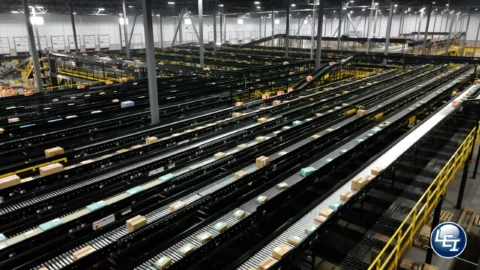
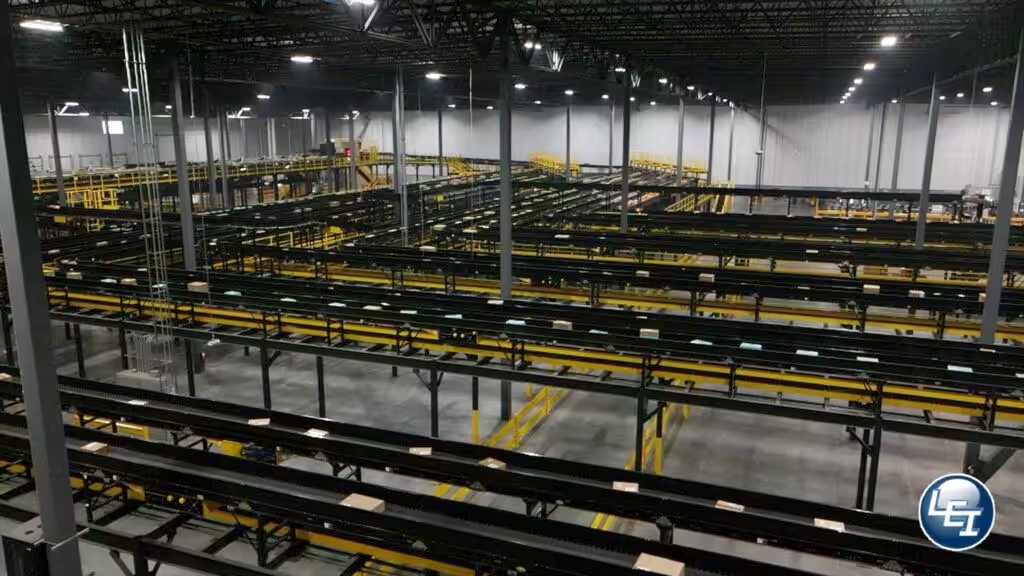
Sortation conveyors are automated systems designed to direct items, packages, or products to specific locations within a warehouse, distribution center, or fulfillment center. These systems identify products (usually through barcodes, RFID, or sensors) and direct them to their appropriate destinations using a series of diverters, belts, and other mechanisms.

The role of a sortation system becomes particularly important in large-scale operations where thousands of items are handled each day. From small to large packages, fragile to durable goods, sortation conveyors can manage a wide range of products while maintaining accuracy and efficiency. These systems reduce manual labor, increase throughput, and minimize errors, making them indispensable in industries such as e-commerce, manufacturing, and logistics.


Key Types of Sortation Conveyors

There are several types of sortation conveyors, each designed to cater to specific operational needs. Selecting the right system depends on factors such as product type, volume, speed requirements, and available space. Below are some of the most popular types:

Sortation Conveyors

1. Sliding Shoe Sorters

Sliding shoe sorters are a popular choice in high-volume environments. They use diverting mechanisms (referred to as “shoes”) that slide across the conveyor belt, gently pushing products off the conveyor and onto a designated destination lane.

Advantages:

  • High speed: Sliding shoe sorters can sort items at a rate of 150 to 450 feet per minute, making them ideal for large-scale operations.
  • Versatility: They can handle a variety of product shapes and sizes, including delicate items.
  • Accuracy: High sorting accuracy reduces errors in the order fulfillment process.

Disadvantages:

  • Initial investment: These systems can be expensive to install, making them more suitable for larger facilities with high throughput demands.
  • Maintenance: Due to their complex mechanisms, sliding shoe sorters require regular maintenance to ensure smooth operation.

2. Tilt Tray Sorters

Tilt tray sorters use trays mounted on a continuous loop conveyor. As each tray reaches the correct destination, it tilts to release the product into a chute or bin.

Advantages:

  • Flexible product handling: Tilt tray sorters can handle a wide range of product types, from small to large and from lightweight to heavier items.
  • Scalability: These systems are modular, meaning they can be expanded to accommodate increasing volumes as your business grows.
  • Reduced damage: Products are gently deposited, which minimizes damage during sorting.

Disadvantages:

  • Space requirements: Tilt tray sorters take up more space than other systems, making them unsuitable for facilities with limited room.
  • Speed: While effective, tilt tray sorters may not match the high speed of other sortation systems, such as sliding shoe sorters.

3. Cross-Belt Sorters

Cross-belt sorters are similar to tilt tray sorters, but instead of tilting trays, they use individual belts that run perpendicular to the main conveyor flow. When a product reaches its designated point, the belt accelerates, pushing the product into the correct chute.

Advantages:

  • Accuracy: Cross-belt sorters are known for their precision, making them ideal for high-accuracy operations such as e-commerce order fulfillment.
  • Versatile handling: These systems can handle irregularly shaped items that other systems might struggle with.
  • Speed: Cross-belt sorters offer relatively high throughput and work well in facilities handling diverse product sizes.

Disadvantages:

  • Cost: Like sliding shoe sorters, cross-belt sorters come with a higher price tag and maintenance cost due to their sophisticated technology.
  • Energy consumption: These systems can consume more energy compared to other types of sorters, particularly in larger installations.

4. Pop-Up Wheel Sorters

Pop-up wheel sorters consist of rows of wheels that “pop up” to redirect products off the main conveyor to different destinations. These systems are often used in smaller operations where space is limited and product handling is straightforward.

Advantages:

  • Compact design: Their relatively small footprint makes them ideal for facilities with space constraints.
  • Cost-effective: Pop-up wheel sorters are typically more affordable than other sorting systems.
  • Low maintenance: These systems are simpler in design and require less maintenance.

Disadvantages:

  • Limited capacity: They are not ideal for high-volume operations, as they are designed for lower throughput rates.
  • Product limitations: Pop-up wheel sorters work best with products that have flat, uniform surfaces. Irregularly shaped or delicate items may not be suitable for this type of system.

Benefits of Implementing Sortation Conveyors

1. Increased Efficiency

Sortation conveyors significantly reduce the time it takes to move products through a warehouse or distribution center. They streamline the sorting process, allowing items to be directed to the appropriate location with minimal human intervention.

2. Improved Accuracy

The automation provided by sortation conveyors reduces human error. The system can accurately identify and route products based on real-time data, ensuring that the right items end up in the right place.

3. Cost Savings

Although the initial investment in a sortation conveyor system can be substantial, the long-term savings are significant. By reducing manual labor, minimizing errors, and increasing throughput, these systems can lower operating costs and boost profitability.

4. Scalability

As your business grows, so can your sortation system. Most conveyor systems, particularly tilt tray and cross-belt sorters, can be expanded to accommodate higher volumes, making them ideal for businesses with growth potential.

5. Enhanced Customer Satisfaction

Faster and more accurate sorting translates to faster order fulfillment. By meeting delivery deadlines and minimizing errors, businesses can enhance customer satisfaction, leading to repeat business and positive reviews.


Considerations When Choosing a Sortation Conveyor System

When selecting a sortation conveyor system for your facility, several factors need to be considered:

  1. Throughput requirements: How many items per hour do you need to sort? High-throughput systems like sliding shoe sorters or cross-belt sorters might be necessary for larger operations.
  2. Product variety: Consider the types of products you handle. Irregularly shaped or delicate items may require specific systems like cross-belt or tilt tray sorters.
  3. Available space: Some systems, such as pop-up wheel sorters, are more compact and better suited for facilities with limited space.
  4. Budget: Sortation systems can be a significant investment. It’s essential to balance the system’s upfront cost with its long-term benefits and savings.
  5. Future growth: Choose a system that can scale with your business. Modular systems like tilt tray sorters allow for future expansion without major overhauls.

Conclusion

Sortation conveyors are a critical component of modern warehouses and distribution centers, offering a wide range of benefits from improved efficiency to reduced costs. Whether your facility handles high volumes of small packages or a diverse range of products, there’s a sortation conveyor system designed to meet your needs.

At Lafayette Engineering, we specialize in helping businesses optimize their operations with custom sortation conveyor solutions. Whether you’re looking to implement a new system or upgrade your existing one, our experts are here to assist you every step of the way.

For more information on how we can help you, visit Lafayette-Engineering.com today.

7 Essential Reasons to Retrofit Conveyors for Enhanced Efficiency

Retrofit conveyors are essential in the fast-paced world of industrial manufacturing and logistics, where efficiency is the name of the game. Keeping up with the demands of a modern supply chain requires more than just new technology; it often requires rethinking the systems that are already in place. That’s where the concept of “Retrofit Conveyors” comes in—a smart, cost-effective solution to elevate your existing conveyor systems to meet today’s challenges.

Retrofit Conveyors

What Are Retrofit Conveyors?

Retrofit conveyors involve updating or modifying existing conveyor systems to improve their performance, extend their life, or adapt them to new operational needs. This process can include anything from replacing outdated components with more advanced technology, to redesigning the entire conveyor layout to better suit the current production requirements.

Lafayette Engineering specializes in providing tailored retrofit conveyors solutions that cater to the specific needs of various industries. By focusing on enhancing the efficiency, safety, and reliability of your current conveyor systems, we help you achieve higher productivity without the substantial investment required for brand-new systems.

1. Cost-Effective Upgrades

One of the most compelling reasons to consider a conveyor retrofit is the cost savings. Purchasing a brand-new conveyor system can be a significant expense, not to mention the costs associated with downtime during installation. Retrofitting allows you to upgrade your existing systems at a fraction of the cost. Whether it’s adding new features or improving the speed and efficiency of the current setup, retrofitting can deliver substantial improvements without breaking the bank.

For example, Lafayette Engineering has successfully implemented retrofit projects where clients have saved up to 50% compared to the cost of a new system, all while achieving similar performance enhancements.

2. Minimized Downtime

Downtime is the enemy of productivity. Retrofitting your conveyors can be done with minimal disruption to your operations, especially when compared to installing a completely new system. Most retrofits can be scheduled during off-hours or phased in gradually, allowing your operations to continue running smoothly.

At Lafayette Engineering, our team works closely with your operational schedule to ensure that retrofits are carried out with minimal impact on your production. Our goal is to keep your business running efficiently throughout the retrofit process.

3. Customization and Flexibility

Every operation is unique, and one-size-fits-all solutions often fall short of delivering optimal performance. Retrofitting offers the flexibility to customize your conveyor systems to better suit your specific needs. Whether you need to increase speed, add new sorting capabilities, or integrate advanced sensors and controls, retrofitting allows you to tailor the system to your exact requirements.

For instance, by integrating modern control systems, Lafayette Engineering can enhance the precision and responsiveness of your conveyor operations, leading to improved throughput and reduced error rates.

4. Enhanced Safety Features

Safety is a critical concern in any industrial setting. Older conveyor systems may lack the advanced safety features available in modern systems, putting your employees and operations at risk. Retrofitting allows you to incorporate the latest safety technologies, such as improved guarding, emergency stop controls, and advanced monitoring systems.

Lafayette Engineering can help you identify potential safety hazards in your current conveyor systems and recommend the necessary upgrades to ensure a safer working environment. Enhanced safety not only protects your workforce but also reduces the risk of costly accidents and downtime.

5. Extended Equipment Life

Conveyor systems are a significant investment, and extending their life can lead to substantial long-term savings. Retrofitting can breathe new life into aging equipment, allowing you to get more value out of your initial investment. By replacing worn or outdated components and integrating new technologies, you can extend the life of your conveyor systems by several years.

Our team at Lafayette Engineering specializes in identifying key areas where your conveyor systems can benefit from upgrades, ensuring that your equipment remains reliable and efficient for years to come.

6. Improved Energy Efficiency

In today’s environmentally conscious world, energy efficiency is more important than ever. Older conveyor systems may be consuming more energy than necessary due to outdated motors, controls, and designs. Retrofitting can significantly improve the energy efficiency of your conveyors by replacing old components with newer, more energy-efficient alternatives.

For example, installing variable frequency drives (VFDs) can reduce energy consumption by adjusting the motor speed to match the conveyor load. Lafayette Engineering can help you assess your current energy usage and recommend retrofits that will lower your operational costs while also reducing your carbon footprint.

7. Adaptation to New Technologies

The world of industrial automation is constantly evolving, with new technologies emerging that can dramatically improve your operations. Retrofitting allows you to integrate these new technologies into your existing conveyor systems, keeping you competitive without the need for a complete system overhaul.

Whether it’s integrating IoT devices for real-time monitoring, upgrading to more sophisticated sorting technologies, or implementing advanced data analytics, Lafayette Engineering can help you bring your conveyor systems into the modern age. This adaptability ensures that your systems can keep pace with the ever-changing demands of your industry.

Frequently Asked Questions (FAQs)

Q: How long does a typical conveyor retrofit take?
A: The duration of a retrofit project can vary depending on the scope and complexity of the upgrades. However, many retrofits can be completed within a few days to a few weeks, with minimal disruption to your operations.

Q: Is retrofitting a better option than replacing my conveyor system?
A: Retrofitting is often more cost-effective and less disruptive than replacing a conveyor system. It’s an excellent option if your current system is fundamentally sound but needs updates to improve performance or adapt to new requirements.

Q: Can retrofitting improve the safety of my conveyor systems?
A: Absolutely. Retrofitting allows you to incorporate the latest safety features, such as enhanced guarding, emergency stop controls, and advanced monitoring systems, making your conveyor systems safer for your employees.

Q: What kind of technologies can be integrated into a retrofit?
A: A wide range of technologies can be integrated, including advanced sorting mechanisms, IoT devices, variable frequency drives, and modern control systems. These technologies can significantly enhance the performance, efficiency, and safety of your conveyor systems.

Q: How do I know if my conveyor system needs retrofitting?
A: If your conveyor system is experiencing frequent breakdowns, high maintenance costs, or is unable to keep up with production demands, it may be a good candidate for retrofitting. A professional assessment by Lafayette Engineering can provide you with a clear understanding of your system’s needs.

Conclusion

Retrofit conveyors is a powerful strategy for businesses looking to optimize their existing systems without the high costs and disruptions associated with new installations. By focusing on upgrading key components, enhancing safety, and integrating modern technologies, you can achieve significant improvements in efficiency, reliability, and overall performance.

At Lafayette Engineering, we are committed to helping our clients get the most out of their conveyor systems through customized retrofit solutions. Whether you need to boost your production speed, enhance safety, or improve energy efficiency, our team has the expertise to deliver results that align with your goals. Reach out to us today to learn how we can transform your conveyor systems through our innovative retrofit services.

Follow us on Linkedin