Table of Contents
Introduction: Understanding the Real Cost of a Conveyor System
A conveyor system can cost anywhere from a few thousand dollars for a simple gravity conveyor installation to hundreds of thousands—or even millions—for a fully integrated automated material-handling network. The final price depends on the conveyor type, system length, product characteristics, required throughput, installation conditions, and automation technology.
For manufacturers, warehouses, distribution centers, and industrial operations, understanding conveyor system cost is an important first step toward making a smart investment.
Conveyors are among the most widely used material-handling technologies in modern industry. They transport products between workstations, connect manufacturing processes, support order fulfillment, and reduce the need for repetitive manual movement.
However, not every facility needs the same equipment.
A small warehouse may require a straightforward conveyor connecting picking and packing stations. A large distribution center may need an extensive network of powered rollers, accumulation zones, scanners, sorters, and sophisticated control systems.
LaFayette Engineering understands that successful conveyor projects begin with evaluating the operation rather than simply selecting equipment.
This guide explains the major factors influencing conveyor system cost in 2026, provides practical budgeting ranges, and explores how businesses can evaluate the long-term value of conveyor automation.
The prices presented below are illustrative U.S. planning estimates, not verified supplier quotations. Actual costs depend on specifications, project scope, vendor pricing, and installation requirements.
How Much Does a Conveyor System Cost in 2026?
The price of a conveyor system varies considerably depending on the technology and project size.
Simple gravity conveyors are generally less expensive than powered systems. Automated sortation and complex material-handling networks require more sophisticated equipment, controls, and integration.
The following table provides broad preliminary budgeting ranges.
| Conveyor System Type | Estimated Project Cost |
|---|---|
| Small gravity conveyor installation | $2,000–$15,000 |
| Basic powered roller conveyor | $10,000–$50,000 |
| Small belt conveyor installation | $10,000–$75,000 |
| Accumulation conveyor system | $25,000–$150,000+ |
| Medium-size powered conveyor network | $50,000–$500,000+ |
| Automated sortation conveyor system | $150,000–$2 million+ |
| Large integrated conveyor network | $500,000–$5 million+ |
These figures are broad planning ranges for different project scales. They are not directly comparable equipment-only prices, and larger projects may exceed the upper figures.
When evaluating conveyor system cost, businesses should confirm whether quotations include controls, installation, electrical work, integration, and commissioning.
1. Conveyor Type Is One of the Biggest Price Factors
Different conveyor technologies have different costs because they perform different functions.
Gravity Roller Conveyors
Gravity conveyors move products using gravity or manual force.
They generally require fewer mechanical and electrical components than powered systems.
These conveyors may be appropriate for:
- Loading areas
- Packing stations
- Short material transfers
- Simple warehouse operations
Because they do not require powered drives along the conveying path, gravity conveyors can offer a relatively economical solution.
However, they are not suitable for every application.
Powered Roller Conveyors
Powered roller conveyors use motors to move cartons, totes, or other products.
They may be used in warehouses, distribution centers, and manufacturing facilities.
Additional components such as motors, controls, sensors, and wiring increase the investment.
Belt Conveyors
Belt conveyors use a continuous belt to transport materials.
They are often useful for packages requiring a consistent carrying surface.
Accumulation Conveyors
Accumulation conveyors allow products to stop temporarily without necessarily shutting down the entire line.
These systems may require additional sensors, controlled zones, and software.
Sortation Conveyors
Automated sortation systems direct products toward different destinations.
They can involve advanced mechanical equipment, scanning technology, and sophisticated controls.
The selected conveyor technology has a direct influence on Conveyor System Cost.
2. Conveyor Length and Facility Layout
Longer conveyors generally require more equipment and installation work.
Additional length may increase requirements for:
- Conveyor sections
- Supports
- Motors
- Electrical wiring
- Controls
- Installation labor
However, total length is not the only consideration.
Facility layout can be equally important.
A straight conveyor is usually simpler than a system involving numerous curves, merges, transfers, elevation changes, and multiple levels.
For example, a 100-foot straight conveyor may have a different cost structure from a shorter system requiring several complex transfers.
LaFayette Engineering can help businesses evaluate material flow and facility layouts before selecting conveyor equipment.
This planning helps identify practical routes and avoid unnecessary complexity.
3. Product Size and Weight Affect Equipment Requirements
The products moving through a conveyor system influence its design.
Important characteristics include:
- Length
- Width
- Height
- Weight
- Packaging
- Stability
- Bottom surface
Lightweight cartons may be suitable for relatively standard conveyor equipment.
Heavy pallets or industrial materials may require stronger frames, more powerful drives, and specialized components.
Fragile products may need controlled acceleration, gentle transfers, or zero-pressure accumulation.
These requirements can increase conveyor system cost.
Before requesting equipment proposals, businesses should document the range of products the system must handle.
Accurate information helps suppliers recommend appropriate technology.
4. Required Throughput Influences Conveyor Pricing
Throughput refers to the number of products a system must process within a given period.
A conveyor designed to transport 100 cartons per hour may require different equipment from one expected to handle several thousand.
Higher throughput may require:
- Faster conveyor speeds
- Additional motors
- More advanced controls
- Accumulation zones
- Automated sorting
- Multiple conveyor lines
However, faster equipment is not automatically better.
If downstream processes cannot handle the additional volume, increasing conveyor speed may simply create larger backups.
LaFayette Engineering can help organizations evaluate throughput across the entire operation.
Understanding realistic capacity requirements is essential to controlling conveyor system cost.
5. Automation and Control Systems
Modern conveyor systems may use sensors, scanners, programmable logic controllers, and software to coordinate product movement.
Depending on the application, automation may include:
- Barcode scanning
- Product tracking
- Automated routing
- Accumulation control
- Sortation
- Equipment monitoring
- Warehouse software integration
A simple powered conveyor may require relatively basic controls.
A large automated distribution system may need a warehouse control system and extensive equipment integration.
These technologies add costs but can provide operational benefits when properly applied.
Businesses should evaluate automation according to actual requirements rather than assuming every available feature is necessary.
6. Installation and Electrical Infrastructure
Conveyor equipment must be installed within the existing facility.
Installation may require:
- Equipment assembly
- Structural supports
- Electrical connections
- Network infrastructure
- Controls installation
- Testing
- Commissioning
Some projects also require building modifications.
For example, elevated conveyors may need engineered supports, while equipment crossing different floor levels may require additional structural considerations.
Existing electrical capacity should also be evaluated.
When calculating conveyor system cost, installation and infrastructure expenses should be included from the beginning.
A low equipment price may not represent the total cost of a completed system.
7. Warehouse Software Integration
Conveyors often interact with warehouse software.
Depending on the operation, these systems may include:
- Warehouse management systems
- Warehouse control systems
- Warehouse execution systems
- Enterprise resource planning software
Integration allows information to move between business systems and physical equipment.
For example, warehouse software may identify a package’s destination, while conveyor controls coordinate its movement.
The cost of integration depends on system complexity, software interfaces, testing, and vendor requirements.
A facility with existing compatible software may face fewer integration challenges than one connecting several older platforms.
8. Safety Requirements
Conveyor systems contain moving machinery and must be designed with appropriate safety measures.
Depending on the application, requirements may include:
- Machine guarding
- Emergency stops
- Safe employee crossings
- Maintenance access
- Lockout/tagout procedures
- Warning devices
- Safety controls
These features should be incorporated into the original design.
Safety requirements can influence conveyor system cost, but they should never be treated as optional expenses.
A professionally engineered system must support both productivity and safe operation.
9. Maintenance and Long-Term Operating Expenses
The initial purchase is only one part of conveyor ownership.
Ongoing costs may include:
- Preventive maintenance
- Replacement rollers
- Belts
- Motors
- Sensors
- Electrical components
- Software support
- Repairs
Maintenance requirements vary by conveyor technology and operating conditions.
A simple gravity conveyor generally has fewer powered components than an automated sortation system.
Businesses should consider equipment accessibility and replacement-part availability during design.
Good maintenance planning can help reduce unnecessary downtime and protect long-term performance.
10. Customization and Specialized Applications
Standard conveyor equipment may be suitable for many applications.
However, some facilities require specialized solutions.
Examples include:
- Unusual product dimensions
- Heavy industrial loads
- Temperature-sensitive environments
- Specialized transfers
- Tight facility layouts
- Integration with existing machinery
Custom engineering can increase project costs because equipment may require additional design, fabrication, and testing.
The value of customization depends on whether it solves a real operational problem.
LaFayette Engineering emphasizes the importance of matching equipment to the application rather than introducing unnecessary complexity.
How Much Does a Conveyor System Cost for a Small Warehouse?
Small warehouses may benefit from simple conveyor improvements.
A project might involve connecting:
- Picking areas
- Packing stations
- Shipping locations
A basic gravity or powered conveyor installation may require an investment ranging from a few thousand dollars to tens of thousands, depending on length and specifications.
For smaller facilities, the best approach is often to begin with the most significant material-handling problem.
A targeted conveyor installation may improve efficiency without requiring extensive automation.
Conveyor System Cost for Mid-Size Distribution Centers
Mid-size distribution centers may require more sophisticated systems.
Potential equipment includes:
- Powered rollers
- Accumulation
- Barcode scanners
- Multiple conveyor routes
- Automated transfers
A project may cost approximately $50,000 to $500,000 or more, depending on complexity.
However, businesses should avoid selecting equipment based solely on facility size.
Order volume, product characteristics, workflow, and throughput are often more important.
Conveyor System Cost for Large Automated Facilities
Large distribution centers may require extensive conveyor networks connecting receiving, storage, picking, packing, sortation, and shipping.
These systems can involve:
- Multiple conveyor levels
- High-speed sorters
- Advanced scanning
- Warehouse control software
- Automated routing
- Large electrical installations
Total project costs can reach several million dollars.
For these facilities, engineering and integration become especially important because small design problems can affect large portions of the operation.
Calculating Conveyor System Return on Investment
Conveyor investments should be evaluated according to measurable operational benefits.
Potential improvements include:
- Reduced manual transportation
- Increased throughput
- Improved material flow
- Lower handling costs
- More consistent processes
- Reduced congestion
A simplified payback calculation is:
Payback Period = Initial Investment ÷ Annual Net Savings
Consider a hypothetical conveyor project costing $150,000.
If it produces $60,000 in annual operational savings but adds $10,000 in annual maintenance expenses, net savings would be $50,000.
The simple payback period would be:
$150,000 ÷ $50,000 = 3 years
This calculation excludes financing, taxes, inflation, and the time value of money.
A complete investment analysis should include those considerations.
Common Mistakes That Increase Conveyor System Cost
Several mistakes can make conveyor projects unnecessarily expensive.
Oversizing Equipment
Purchasing more capacity than the operation realistically needs can increase initial and ongoing costs.
Ignoring Facility Layout
Poor routing may require unnecessary conveyor length, transfers, or modifications.
Selecting the Wrong Technology
A specialized conveyor may cost more without providing additional value for the application.
Underestimating Integration
Software and controls requirements can create unexpected expenses.
Forgetting Maintenance Access
Poor accessibility can increase future service costs.
Failing to Plan for Growth
A system designed only for current demand may become constrained as operations expand.
Careful engineering can help businesses avoid these problems.
How to Reduce Conveyor System Cost Without Sacrificing Quality
Businesses can manage costs through practical planning.
Evaluate Material Flow: Understand how products currently move through the facility.
Use Appropriate Equipment: Select conveyor technologies based on actual product requirements.
Improve Layout: Reduce unnecessary travel and complex routing where practical.
Consider Phased Installation: Implement improvements in stages when operationally appropriate.
Plan for Maintenance: Ensure equipment can be inspected and serviced efficiently.
Evaluate Future Growth: Preserve realistic expansion options without unnecessary oversizing.
These strategies can help organizations make more informed conveyor investments.
How LaFayette Engineering Can Help
A conveyor system should be designed around the needs of the operation.
LaFayette Engineering brings industrial engineering and material-handling knowledge to projects involving:
- Conveyor system planning
- Facility layouts
- Material flow
- Equipment integration
- Automation opportunities
- Throughput evaluation
- Future expansion
The company’s practical engineering perspective helps businesses evaluate how conveyor technology can support operational goals.
Rather than simply selecting equipment based on price, the objective is to develop a system that provides reliable performance and long-term value.
For businesses researching conveyor system cost, engineering analysis can help identify the most appropriate equipment and avoid unnecessary expenses.
Frequently Asked Questions
1. How much does a conveyor system cost?
A conveyor system may cost a few thousand dollars for a simple gravity installation or several million dollars for a large automated network. Pricing depends on equipment, length, capacity, controls, and installation.
2. What factors influence Conveyor System Cost?
Major factors include conveyor type, length, product characteristics, throughput, automation, facility layout, installation, and software integration.
3. Are powered conveyors more expensive than gravity conveyors?
Generally, yes. Powered conveyors require motors, electrical components, and controls that gravity conveyors typically do not need.
4. How much does an accumulation conveyor cost?
A small accumulation conveyor project may begin around $25,000, while larger systems can exceed $150,000 depending on capacity, controls, and integration.
5. Can conveyor automation reduce labor costs?
It can reduce repetitive manual transportation and change how employees are allocated. Actual savings depend on the operation and system design.
6. How can LaFayette Engineering help with conveyor pricing?
LaFayette Engineering can help businesses evaluate material flow, facility layout, conveyor requirements, and automation opportunities before requesting equipment proposals.
Conclusion: Understanding Conveyor System Cost Starts With Good Engineering
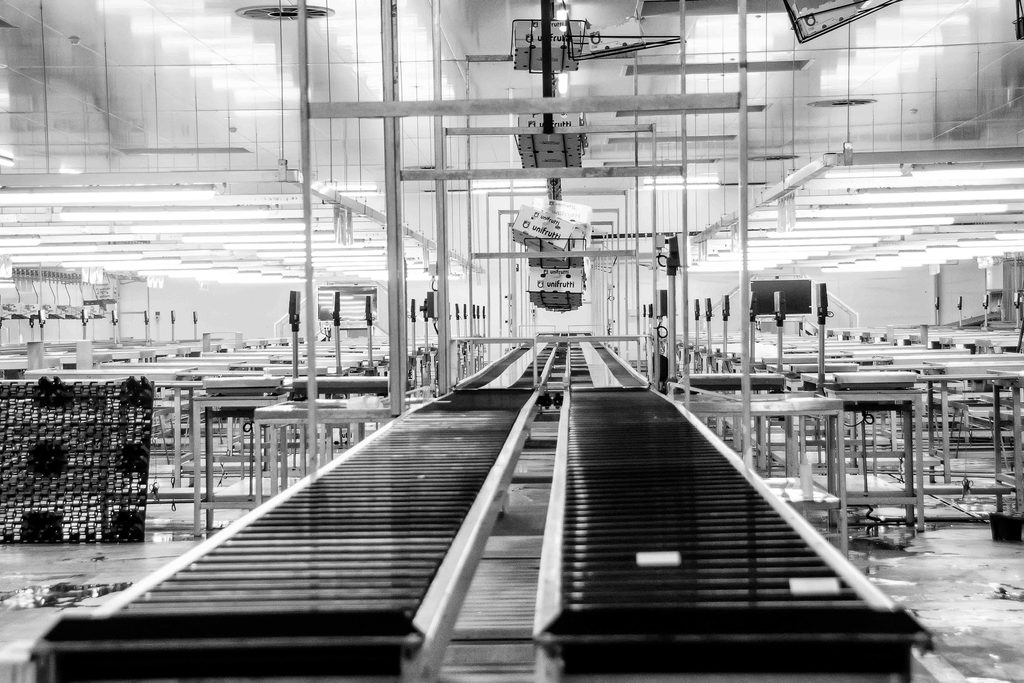
So, how much does a conveyor system cost?
The answer depends on what your facility needs to accomplish.
A simple conveyor may require only a modest investment, while a large automated material-handling network can cost millions.
Conveyor type, length, product characteristics, throughput, controls, installation, and integration all influence the final price.
However, the lowest initial price does not always provide the best long-term value.
A properly designed conveyor system should improve material flow, support productivity, protect employees, and remain practical to maintain.
LaFayette Engineering understands that successful material-handling projects begin with careful planning and realistic operational goals.
For businesses evaluating conveyor system cost, the most important first step is understanding the facility’s actual requirements.
Ready to explore conveyor solutions for your operation? Contact LaFayette Engineering here to discuss your material-handling challenges, equipment needs, and the next steps toward a practical conveyor system investment.